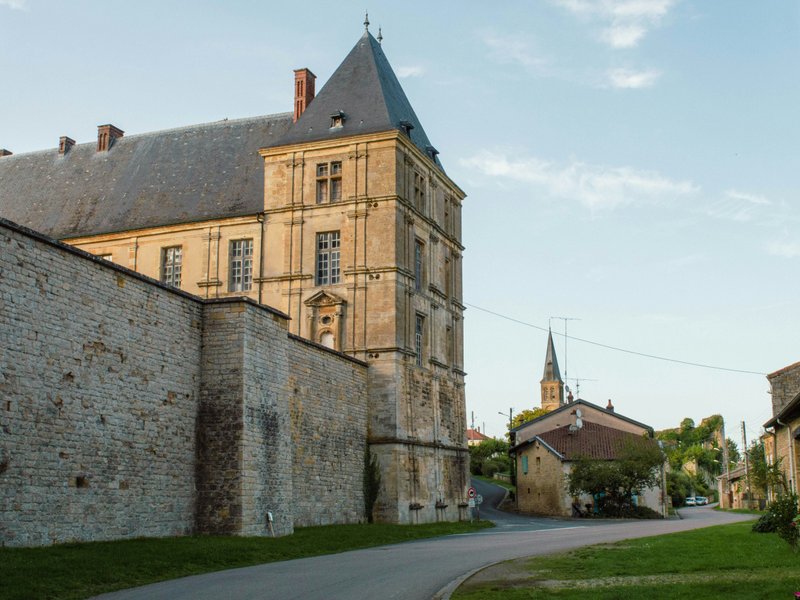
A honey-coloured château with 13th-century towers rising from 35 hectares of Premier Grand Cru Classé vines, Lafaurie-Peyraguey became the first premier cru estate to welcome overnight guests. Lalique crystal details punctuate thirteen suites, while Chef Jérôme Schilling's two-Michelin-starred restaurant pairs inventive cuisine with the property's sweet Sauternes—drawn from cellars holding over 330,000 bottles. Wine lovers seeking total immersion.
Where to Stay
The Perse family, custodians of Château Pavie's Premier Grand Cru Classé A vineyards, transformed this village-heights property into a destination where a secret passage descends to Saint-Émilion's ancient monolithic church. Yannick Alléno's two-starred Table de Pavie reimagines Bordelais traditions—lamproie, grattons—while the terrace surveys UNESCO-listed slopes. Five contemporary suites by Jean-Philippe Nuel occupy a restored sixteenth-century house, and cellar visits unveil Alberto Pinto's art-filled wine cathedral.
Six individually designed rooms occupy this adults-only heritage house amid Saint-Émilion's vineyards, each preserving original architectural details alongside contemporary furnishings and spa-style bathrooms. The slow-life philosophy permeates everything: rambling gardens, an indoor pool with sauna and jacuzzi, Esthederm treatments, and a table d'hôtes where regional dishes meet wines from Saint-Émilion, Castillon, and greater Bordeaux.
Eight rooms bearing dates from 1544 to 2022 trace a family's unbroken stewardship of this 1848 inn within Saint-Émilion's UNESCO-protected medieval quarter. Contemporary interiors play against centuries-old stone, while a Michelin-starred restaurant anchors the experience. Turkish bath and sauna offer recovery after vineyard excursions. Suited to couples seeking refined intimacy amid Bordeaux's most storied wine village.
An 18th-century château crowning its own premier cru vineyard, Les Clefs de Troplong Mondot offers eight individually designed rooms—themes include the belltower and art studio—with sweeping views across Saint-Émilion's slopes. Guests dine at the estate's Michelin-starred restaurant, while families book adventure tours featuring miniature electric Land Rovers and farmyard visits. A working winery experience wrapped in refined country elegance.
A 16th-century wine château where Cabernet Franc ages in ancient stone quarries beneath the estate, Le Relais de Franc Mayne offers nine rooms each styled to a distinct theme—from Pop Art's canary yellows to African Lodge zebra prints. Vineyard views stretch from every window, while an antique dining room with ornate candelabras sets the stage for tastings of the property's own reds.
Where to Eat
Yannick Alléno oversees this two-Michelin-starred table housed in a former pilgrim convent, where chef Sébastien Faramond executes a reinvented Bordeaux terroir. The signature air pigeon—inflated between skin and flesh, roasted à la ficelle, its head savored under napkin like ortolan—exemplifies the kitchen's theatrical precision. Adour shad, Dordogne caviar, and garden herbs within twenty kilometers anchor dishes built to partner Saint-Émilion grands crus on the panoramic rooftop terrace.
Jérôme Schilling, Meilleur Ouvrier de France 2023 and alumnus of Joël Robuchon, crafts dishes inspired by Sauternes vintages—langoustines with pollen, hake with elderflower—each named for specific harvests. The Art Déco dining room at Château Lafaurie-Peyraguey glitters with a Lalique crystal chandelier, while the sommelier draws from a 350,000-bottle cellar. Two Michelin stars confirm the precision.
From the highest point in Saint-Émilion, the dining room at Château Troplong Mondot surveys rolling vineyards through floor-to-ceiling windows. Chef David Charrier holds both a Michelin star and Green Star, his cooking rooted in estate-grown ingredients—garden anise dusting pollock, bitter orange jus finishing duck tart with mustard seeds. The wine list draws deep from the surrounding appellation.
Dating to 1848, this Michelin-starred address counts among Saint-Émilion's oldest dining establishments. Chef Thibaut Gamba composes refined modern plates with produce harvested from the estate's own farm—vegetables, fruit, honey—lending each dish an immediacy difficult to replicate. The wine cellar runs deep into Bordeaux's finest reds, matched expertly with a superlative cheese selection in plush, intimate dining rooms.
On the banks of the Dordogne, chef Thomas L'Hérisson crafts quietly inventive one-star cuisine at this contemporary riverside inn. His matured meagre arrives with smoked potato espuma and a sauce recalling beurre noisette laced with sherry—a signature that captures his precise, modern sensibility. A formidable 550-label wine list and Manuela's warm service complete a refined experience just minutes from Saint-Émilion's vineyards.
A 1902 neo-Romantic château amid Saint-Émilion's rolling vineyards, Grand Barrail pairs Art Nouveau-inspired dining rooms with a terrace surveying endless rows of vines. Lunch leans bistronomy—crispy duck with sweet potato purée and roasted hazelnuts—while dinner turns more refined: veal sweetbreads glazed in Bordeaux butter, finished with a cardamom-scented jus. Historic grandeur, contemporary sensibility.
Young owners Camille and Soufiane channel serious ambition into this intimate address on a quiet Saint-Émilion lane. Their modern cooking showcases hyper-local sourcing—heirloom tomatoes from a neighboring plot, organic black pork from Dordogne farms, verbena clipped from their own garden. A signature monkfish arrives pearlescent, paired with peas and a rich liver-infused jus. The small courtyard offers fine-weather dining amid vine country.
Facing a Romanesque church in the wine village of Montagne, La Réserve du Presbytère delivers bistronomy cooking within exposed stone walls and industrial-chic furnishings. The kitchen favors robust traditional flavors, though the real revelation arrives at dessert—an amandine tartlet layered with figs, raspberry confit, and sorbet demonstrates particular finesse. A rear terrace extends the experience into the vineyard air.
Chef Kendji Wongsodikromo channels his New Caledonian roots into vibrant market-driven plates at this sandy-stone address with generous bay windows. The kitchen pivots freely between terroirs—coconut-ginger-verbena ceviche of dolphinfish shares the menu with young rabbit terrine fragrant with garden herbs, while a tomato-Espelette pepper sorbet punctuates courses with playful heat. Nadège Wongsodikromo ensures warm, unhurried service throughout.
Frequently Asked Questions
When is the best season to visit Saint-Émilion's wine estates?
+
September through October brings the harvest, when the village buzzes with activity and estates often welcome visitors to observe the vendange. Late spring offers mild weather and fewer crowds, with vineyards in full leaf. Winter visits appeal to those seeking intimate cellar tastings without summer queues, though some smaller properties reduce their hours.
How does Saint-Émilion's classification system work?
+
Unlike the static 1855 Médoc classification, Saint-Émilion re-evaluates its rankings roughly every decade. The hierarchy runs from Grand Cru at the base through Grand Cru Classé to the pinnacle of Premier Grand Cru Classé, divided into A and B tiers. This dynamic system means estates actively compete to maintain or improve their standing, keeping quality standards notably rigorous.
Can the village be explored without a car?
+
The medieval center is entirely walkable — in fact, cars are restricted from most historic streets. A direct train connects Bordeaux to Saint-Émilion station in 35 minutes, though the station sits about two kilometers from the village center. For vineyard visits beyond walking distance, local taxi services and cycling routes provide access to surrounding châteaux.
Nearby Destinations
Explore FranceThis medieval village rises from limestone plateau above the Dordogne Valley, its honey-colored buildings carved from the same rock that cellars the region's legendary wines. The compact historic center, a UNESCO World Heritage Site since 1999, unfolds around the Place du Clocher and the remarkable monolithic church excavated entirely underground. Beyond the ramparts, the countryside rolls outward in geometric precision — Merlot and Cabernet Franc vines planted in rows that follow the terroir's natural contours.
The hospitality scene reflects the village's dual identity as working wine territory and destination for serious oenophiles. Former wine estates have been converted into refined accommodations where guests wake to vineyard views and breakfast beside barrel rooms. Dining follows the Bordelais tradition of substance over spectacle: lamprey in red wine sauce, entrecôte grilled over vine cuttings, canelés still warm from copper molds. The handful of wine bars along Rue Guadet serve grands crus by the glass alongside local charcuterie, while the Sunday market in Place du Marché brings producers down from the surrounding appellations.