Chef Ludovic Dumont orchestrates blind tasting menus from a luminous dining room in Montamisé village, his deliberately creative cooking anchored in fish, seafood, and seasonal vegetables. The intimate space encourages unhurried discovery, each course a surprise calibrated to the market's rhythm. Three on-site gîtes allow guests to linger, turning a memorable meal into a countryside retreat just minutes from Poitiers.
Inside a 15th-century château near Poitiers, Ô Dissay occupies an elegant saloon where parquet floors and ornate ceiling mouldings frame a refined dining experience. The kitchen draws on bourgeois French tradition while pursuing a modern graphic style, yielding dishes like turbot confit with mussels and saffron sauce. Cèpes, langoustine, and Bourbon vanilla feature prominently; a bistronomic menu appears early in the week.
Five generations of the same family have welcomed travelers to this former post house since 1870, and the tradition continues with chef Mathias at the stove. His cooking is bold and confident—robust dishes built on excellent ingredients and honed technique. The dining room balances vintage character with contemporary touches, while lunchtime brings a more casual bistro menu. Bib Gourmand distinction confirms the value.
Deep in the Vienne countryside, Emilie and Thomas Fournier have built a devoted following at their charming inn, earning Bib Gourmand recognition for bistronomic cooking rooted in local terroir. The kitchen transforms regional produce into artful plates—asparagus paired with duck confit under warm vinaigrette, devilled eggs brightened with wild garlic. A rewarding detour from Poitiers for those seeking substance over spectacle.
Named for the Roman general famous for extravagant feasts, Le Lucullus brings that spirit to Montmorillon through a modern dining room and tranquil patio. The kitchen champions regional ingredients with precision—Anjou quail arrives roasted whole, its confit legs paired with burnt corn purée and a glossy royal sauce. Each plate balances rusticity with refined presentation, rewarding travelers who venture beyond Poitiers.
Cathedral-height ceilings soar above diners in this converted 19th-century Jesuit chapel, where historic columns frame a thoroughly contemporary brasserie. The open kitchen delivers modern cuisine with pronounced vegetable sensibility—a full vegetarian menu runs alongside the carte. Lunch service offers exceptional value, drawing loyal crowds to this architectural landmark where sacred geometry meets secular pleasure.
Sébastien Boireau, son and grandson of restaurateurs, eventually answered his culinary calling after pursuing another career entirely. His city-centre dining room mirrors his cooking philosophy: pared-back refinement with wooden seats, cream leather cushions, and plant-framed mirrors. The modern French menu stays deliberately lean—scallop carpaccio, veal fillet with carrot mousseline and blood orange jus—each plate precise and unfussy.
Frequently Asked Questions
Which neighborhoods in Poitiers have the best dining options?
+
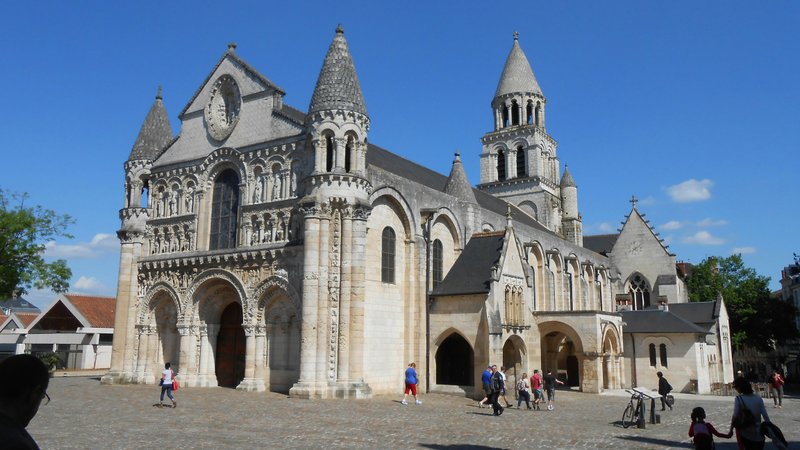
The streets radiating from Notre-Dame-la-Grande — particularly rue de la Chaîne and the area around place Charles de Gaulle — concentrate the city's most interesting restaurants, from contemporary bistros to traditional Poitevin tables.
What regional specialties should visitors try in Poitiers?
+
Look for farci poitevin (a green vegetable terrine), Chabichou and Sainte-Maure goat cheeses, and broyé du Poitou, the local shortbread. Many restaurants serve Marennes-Oléron oysters from the Atlantic coast, just ninety minutes west.
Is Poitiers walkable for visitors staying in the centre-ville?
+
The historic core is compact and largely pedestrianized, making it easy to walk between hotels, restaurants, and the major Romanesque churches. The steeper lanes between the river and the plateau reward comfortable shoes.
Nearby Destinations
Explore FranceThe old town climbs from the Clain river toward the cathedral plateau, its medieval street grid intact beneath Romanesque facades. Notre-Dame-la-Grande anchors the central place with its carved western front, while the surrounding lanes — rue de la Chaîne, rue Carnot — hold the city's better tables and converted townhouse hotels. The Blossac park district to the west offers quieter addresses with garden views.
Poitiers eats well but modestly: chef-driven bistros outnumber formal dining rooms, and the cooking leans on Poitou-Charentes ingredients — goat cheese from Sainte-Maure, farci poitevin, Marennes oysters brought up from the coast. The aperitif hour unfolds on café terraces around the place Charles de Gaulle, where the Palais de Justice presides over the square's sloping cobbles.



