


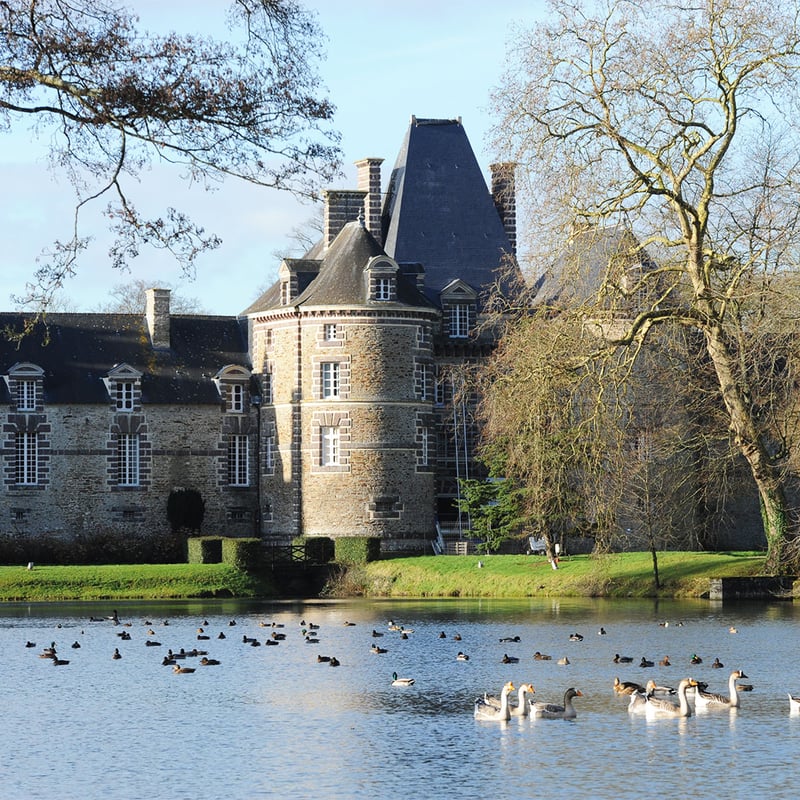
A moat still encircles this nearly thousand-year-old Norman estate, where a comte and comtesse welcome guests to just sixteen rooms spread across medieval towers and antique-filled chambers. Seven hundred acres of swan lakes, forest, and farmland offer clay-pigeon shooting, croquet, and horseback riding, while the Chambre Empire recreates Joséphine Bonaparte's bathroom in full marble-and-mirror splendor—aristocratic leisure made tangible.
Mont-Saint-Michel Travel Guide: Best Hotels, Restaurants & Experiences 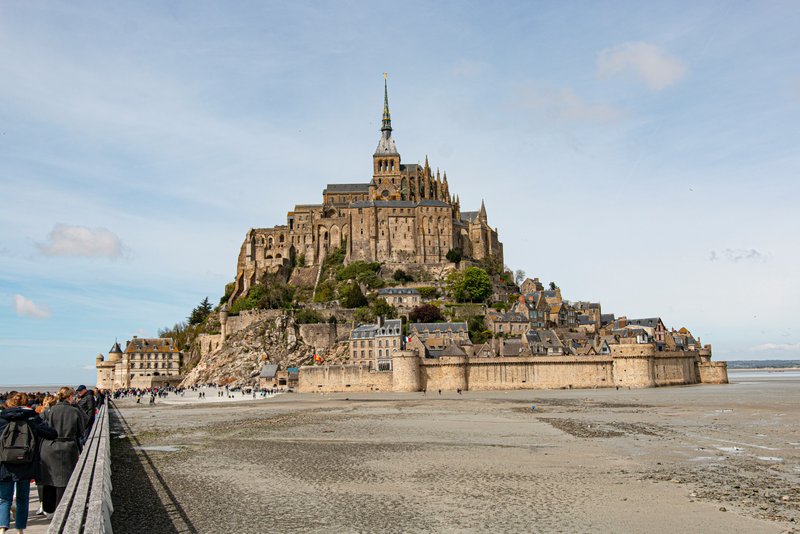
Explore Mont Saint Michel
Hotels (3)
Restaurants (3)
Where to Stay

Claiming the title of Europe's smallest five-star hotel, this 19th-century stone villa offers just seven rooms minutes from the abbey. Clawfoot tubs, carved wooden headboards, and private balconies set an old-world tone, while La Table de l'Ermitage delivers Atlantic flavors—Normandy oysters, lobster, Kaviari smoked salmon. A wine cellar and on-request spa treatments complete the retreat for travelers seeking intimacy over scale.

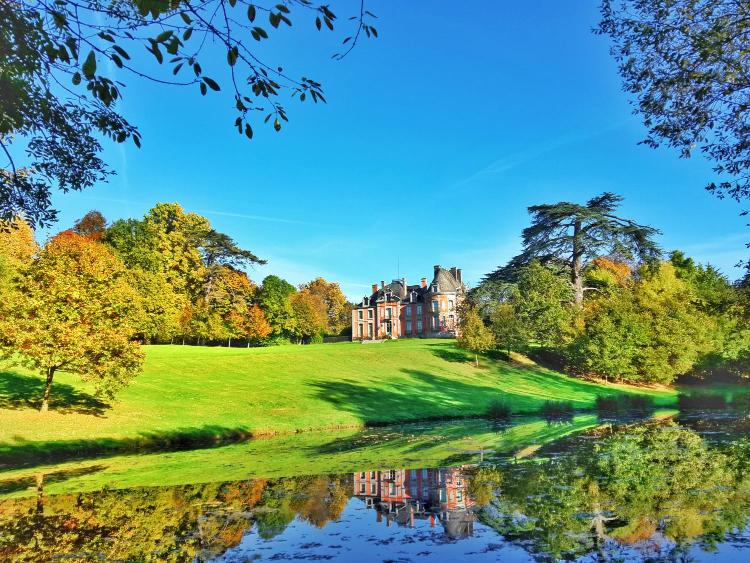
An eighteenth-century château surrounded by 47 acres of parkland worthy of a Constable canvas, this property commands unobstructed views across the bay to Mont-Saint-Michel. Fairy-tale suites channel the building's aristocratic past through period details and generous proportions. Families find genuine welcome here—highchairs and children's beds come standard—making it a rare romantic escape that doesn't exclude younger travelers.
Where to Eat

★ Michelin· Green Star ●
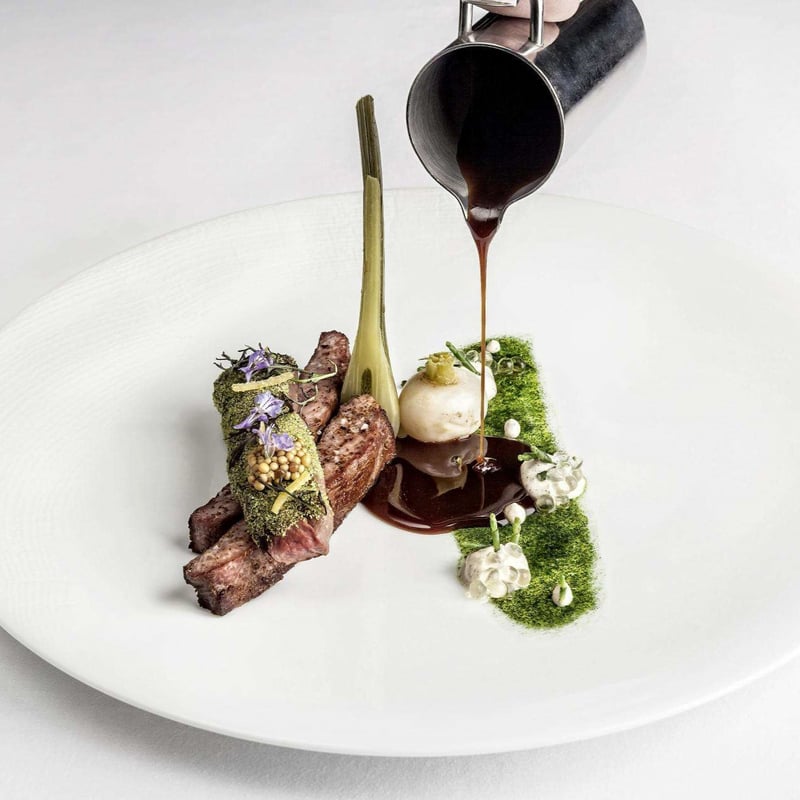
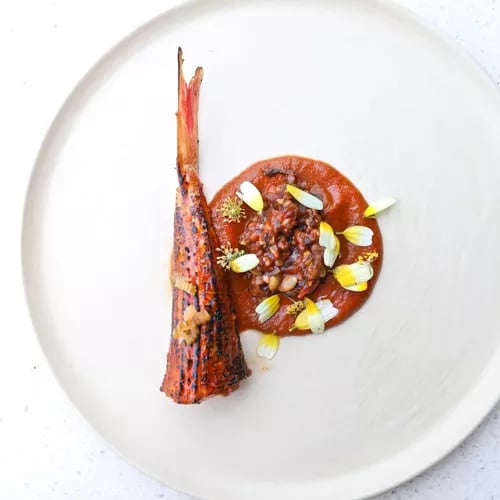
A sixteenth-century presbytery in the village of Servon serves as the backdrop for chef Thomas Benady's singular vision. His surprise tasting menu draws heavily from the cottage garden just outside, yielding vegetable-forward plates with a seafood accent—think beetroot reimagined or celery-stuffed vegetable sausage. One Michelin star and a Green Star confirm the kitchen's commitment to locality and sustainability. Reservations essential.

Michelin Selected
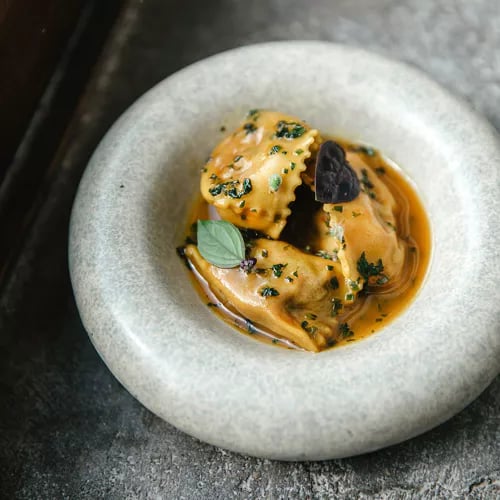
A former transport café on the road between Saint-Malo and Mont-Saint-Michel, now home to chef Marine Hervouet, whose training under Alain Passard and Bruno Verjus informs a produce-driven menu of striking creativity. Vegetable agnolotti arrive with flambéed tomato compote and tomato caramel, while desserts push boundaries—crispy choux with smoked aubergine and sorrel ice cream among them. The stone-walled dining room maintains an intimate, familial warmth.

Michelin Selected
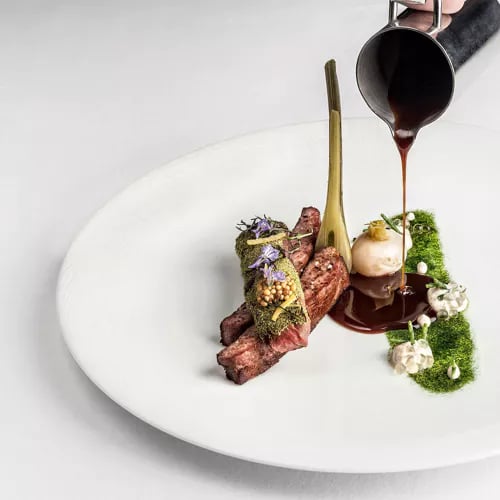
Finding serious cuisine near Mont-Saint-Michel requires navigating past tourist traps—La Table de l'Ermitage rewards the effort. The kitchen works with a deliberately small number of covers each service, allowing proper attention to regional treasures: sole meunière, blue lobster, salt marsh lamb. A full menu page listing suppliers signals the commitment to provenance that earns its Michelin Plate distinction.

Michelin Selected
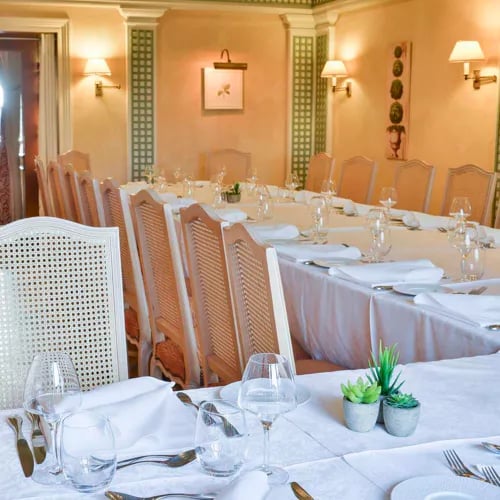
Regional stone walls and a refined dining room set the stage for deeply Norman cooking at this village address near Mont-Saint-Michel. The kitchen honors local traditions through dishes like Vire andouille with apples and camembert, guinea fowl breast glazed with apple sauce, and crêpes suzette flambéed tableside with theatrical flair. Pleasant rooms upstairs suit travelers extending their stay.
Frequently Asked Questions
When can you walk across the bay to Mont-Saint-Michel?
+
Guided barefoot crossings of the bay are possible during low tide, typically offered from April through October. These walks depart from points like Le Bec d'Andaine or Genêts and take around three hours, crossing quicksand and tidal channels with an authorized guide — solo crossings are dangerous due to fast-moving tides and shifting sands.
What is Pré-Salé lamb and where can you try it?
+
Pré-Salé refers to lamb raised on the salt marshes surrounding the bay, where sheep graze on samphire, sea lavender, and other halophytic plants that give the meat a distinctive mineral, slightly saline flavor. Most restaurants on the mount and in the surrounding villages feature it as a signature dish, typically roasted simply with local vegetables.
Is it better to stay on the island or on the mainland?
+
Staying within the walls means atmospheric medieval lodgings and the privilege of experiencing the mount after day visitors leave, though rooms tend to be compact with challenging access. Mainland hotels in the polders offer more space, easier parking, and often panoramic bay views, with the free shuttle reaching the island in minutes.
Nearby Destinations
Explore France



Mont Saint Michel
The abbey's silhouette rising from the flats at dawn remains one of Europe's most arresting images. Below its Gothic spire, the Grande Rue climbs steeply past half-timbered houses from the fifteenth century, their ground floors now occupied by crêperies and souvenir shops that do little to diminish the medieval atmosphere. Most visitors arrive as day-trippers; those who stay overnight have the ramparts to themselves after the last shuttle departs, when the only sounds are seabirds and the distant rush of incoming tides.
Accommodation divides between a handful of addresses within the village walls and a larger selection across the causeway in the polders — the reclaimed farmland that stretches toward Pontorson and the Couesnon estuary. The mainland properties tend toward converted farmhouses and manor hotels with views across the bay, while the island's own establishments occupy centuries-old buildings where narrow staircases and thick stone walls come with the territory. Dining leans heavily on Pré-Salé lamb, the salt-marsh-grazed specialty of the region, alongside Cancale oysters and buckwheat galettes that remind you Brittany begins just across the river.