


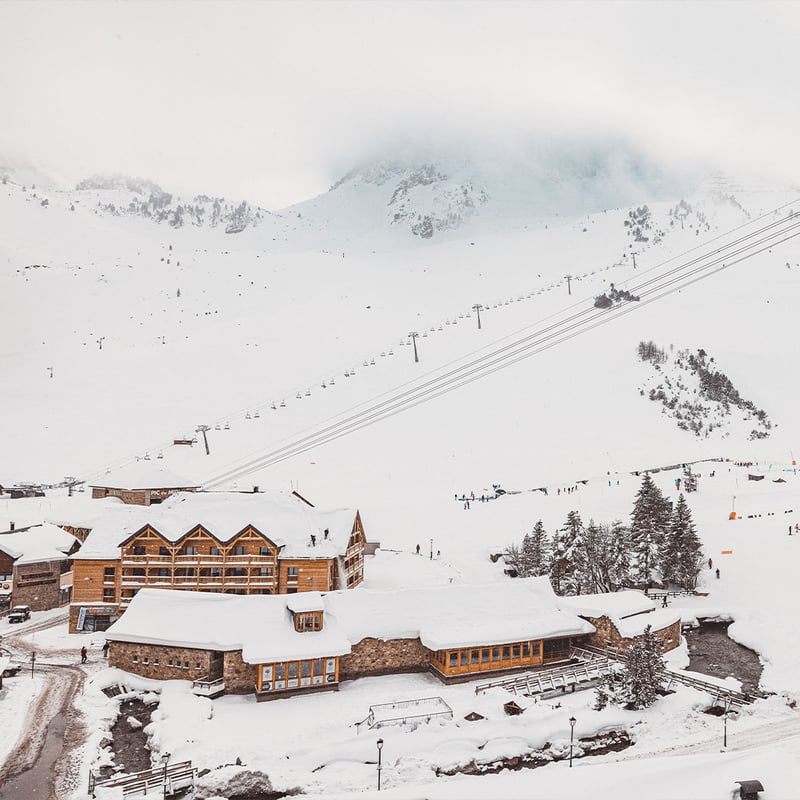
Perched at 1,800 meters in La Mongie, this intimate 20-room retreat gazes directly at Pic du Midi through oversized windows—rooms named Galaxy and Big Dipper encouraging after-dark stargazing from bed. Architect Romain Thevenot wrapped the interiors in pale wood, midnight-blue accents, and Pyrenean sheep wool throws sourced from local artisans. Open-air Nordic baths steam against mountain panoramas, while the Milky Way bar's crackling fireplace draws skiers for homemade cake and après-ski drinks.
Lourdes & the Pyrenees Travel Guide: Best Hotels, Restaurants & Experiences 
Explore Lourdes
Hotels (1)
Restaurants (9)
Where to Stay
Where to Eat

Michelin Selected· Green Star ●
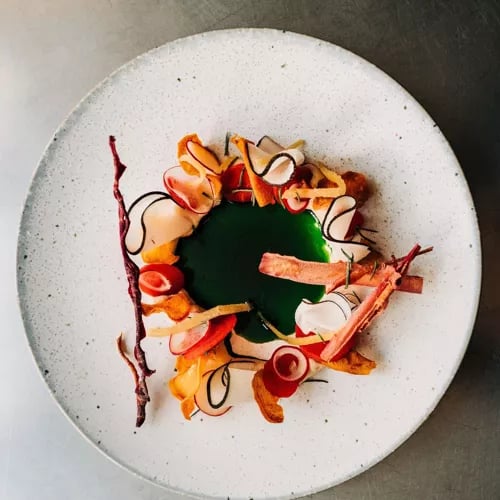
Australian chef Luke MacLeod has converted an old Pyrenean farmstead into a destination for terroir-driven cooking with Asian inflections—pan-fried foie gras meets kimchi, spaghetti squash tempura arrives with fresh wasabi. The country-chic dining room provides a relaxed backdrop for plates that balance tangy, sweet, and spicy notes with precision. A Michelin Green Star confirms the kitchen's commitment to sustainable sourcing.

Bib Gourmand
Mathieu and Céline run this Bib Gourmand address with quiet conviction, sourcing obsessively from the surrounding valleys—trout from Lau-Balagnas, rabbit from Julos, lamb from Val d'Azun, dairy from Ferme Sayous. His signature saddle of rabbit arrives stuffed with spinach and wild garlic, finished with hazelnut spoom. She orchestrates wines that echo the same terroir. Modern technique, Pyrenean soul.

Bib Gourmand
High in a Pyrenean village fiercely protective of its natural heritage, a young couple channels regional tradition through dishes like slow-cooked free-range egg paired with Noir de Bigorre ham. The kitchen shifts fluidly between such mountain classics and contemporary compositions—royal sea bream with sashimi and asparagus among them. A Bib Gourmand holder, the restaurant also maintains a cellar approaching 500 labels.

Bib Gourmand
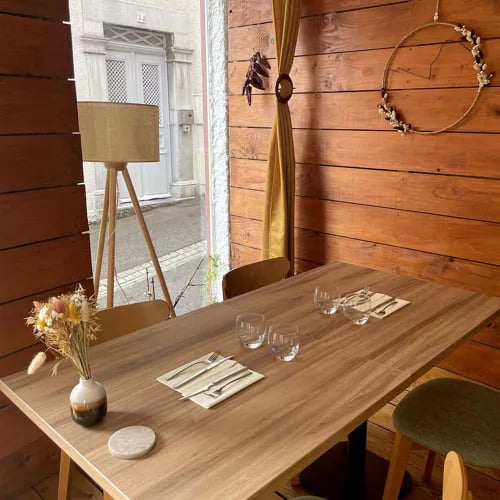
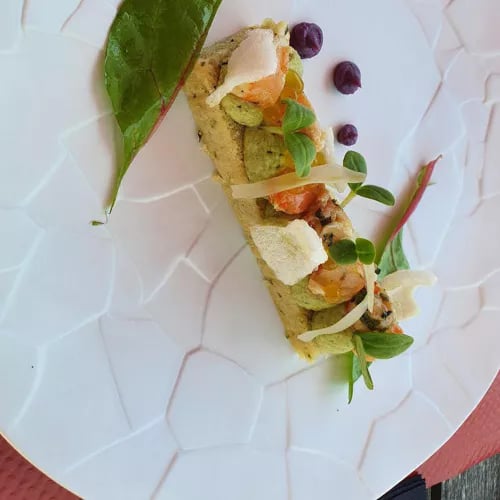
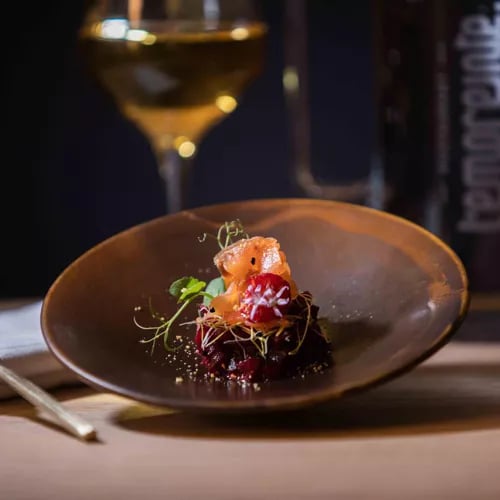
Chef Manuel Godet's intimate Tarbes address earns its Bib Gourmand through inventive cooking rooted in Pyrenean terroir. Solid oak tables and custom tableware set the stage for dishes like gravlax trout with gin-infused whipped cream or Adour kiwi paired with cocoa and truffles. Lunch offers accessible creativity; evening service turns more elaborate. A serious table for curious palates exploring the region.

Bib Gourmand
A Bib Gourmand address run by a local couple in the chef's family hotel, La Table du Cinq delivers accomplished bistronomic cooking in a space of exposed stone, marble floors, and atelier-style glass screens. The chef—recognizable in her whites as she helps serve—produces everything from bread to sorbets in-house, while dishes like veal with chorizo cromesquis and fregola sarda showcase confident, inventive technique.

Michelin Selected
Perched in a small village midway between the legendary Col d'Aubisque and Col du Tourmalet, this mountain auberge delivers robust traditional cooking against a backdrop of Pyrenean peaks. The kitchen champions regional ingredients—noir de Bigorre pork loin with its distinctive marbling, braised sweetbreads, and fresh-caught Pyrenean trout—all served with unpretentious confidence. A Michelin Plate-recognized address for cyclists and gourmands exploring the high passes.

Michelin Selected
Within the Miramont Hotel yet welcoming outside diners, Des Petits Pois Sont Rouges delivers modern cuisine firmly anchored in Pyrenean tradition. The chef draws on mountain terroir—rich cheeses, cured meats, hearty broths—while introducing inventive touches that refresh familiar flavors. A Michelin Plate recognition confirms the kitchen's consistent quality, making this an appealing stop for travelers seeking regional authenticity with contemporary finesse.

Michelin Selected
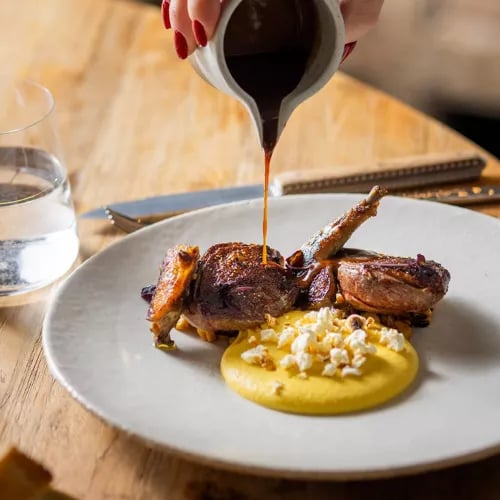
A stone-walled chalet perched above Saint-Lary-Soulan, Erassens pairs mountain warmth with refined technique. The chef, shaped by Basque Country kitchens, builds menus around southwestern ingredients—local vegetables, veal, and fish hauled fresh from Saint-Jean-de-Luz. His signature Souraïde pigeon, roasted then finished over open flame, captures both the finesse and generosity of Pyrenean cooking. Picture windows frame the peaks beyond.

Michelin Selected
A pair of Japanese chefs brings an East-meets-Pyrenees sensibility to this elegant Tarbes dining room, where creative cuisine draws deeply on Japanese technique—delicate broths, umami-rich seaweed, precise seasonings—to illuminate carefully sourced ingredients. The contemporary interior mirrors the refined plating, making L'Arpège a sophisticated pause for travelers exploring the pilgrimage routes and mountain landscapes nearby.
Frequently Asked Questions
When is the best time to visit Lourdes and the Pyrenees?
+
The pilgrimage season runs from Easter through October, with August seeing the largest crowds for the Feast of the Assumption. For mountain activities, June through September offers hiking weather, while December to March brings skiing at nearby resorts like Cauterets and Grand Tourmalet.
How far is Lourdes from the major Pyrenean natural sites?
+
The Cirque de Gavarnie, a UNESCO World Heritage glacial cirque, lies 50 kilometres south — roughly an hour by car. The Col du Tourmalet, the highest paved pass in the French Pyrenees and a legendary Tour de France climb, is 35 kilometres southeast.
What is the character of the town beyond the sanctuary?
+
The old town clusters around a fortified castle above the Gave de Pau river, with a weekly market on the Place du Champ Commun. The commercial district along Rue de la Grotte reflects the pilgrimage economy, though residential quarters to the north retain a quieter, provincial French character.
Nearby Destinations
Explore France



Lourdes
The Pyrenean foothills around Lourdes offer a distinctive hospitality landscape shaped by pilgrimage tradition and mountain geography. Properties range from grand 19th-century establishments along the Boulevard de la Grotte — built during the town's emergence as a major Catholic destination — to contemporary wellness retreats in the surrounding valleys of the Gave de Pau. The thermal spa heritage of nearby towns like Argelès-Gazost and Cauterets adds another dimension, with hotels drawing on centuries-old bathing traditions.
Beyond the sanctuary quarter, the high Pyrenees reward exploration. The Col du Tourmalet and Cirque de Gavarnie provide dramatic Alpine settings, while quieter addresses in villages like Luz-Saint-Sauveur combine mountain access with a slower pace. Spring brings wildflower meadows and manageable crowds; winter transforms the peaks into ski terrain, with Cauterets and the Pic du Midi accessible within an hour's drive.