


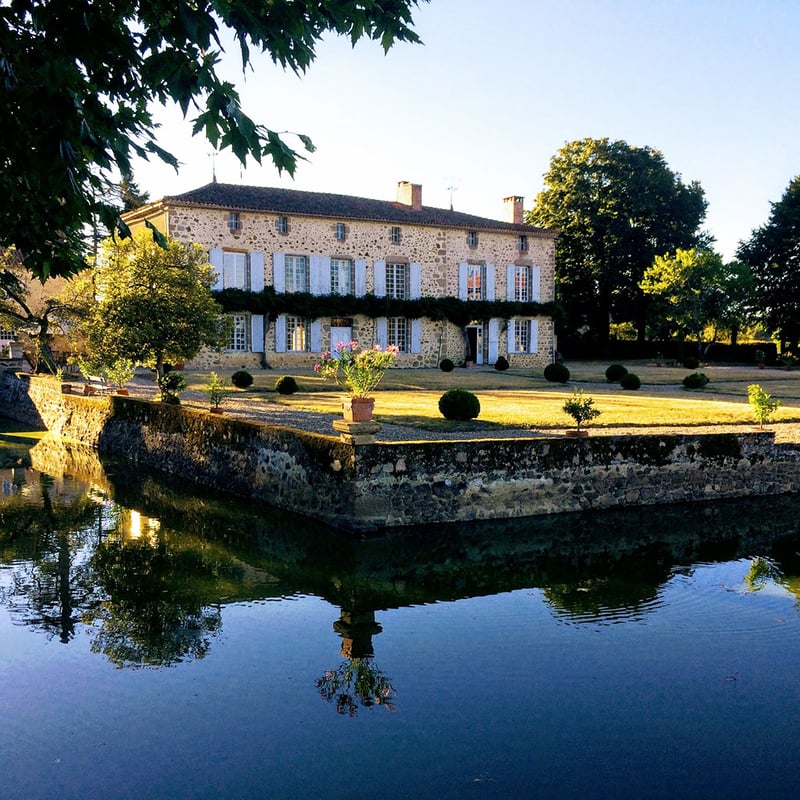
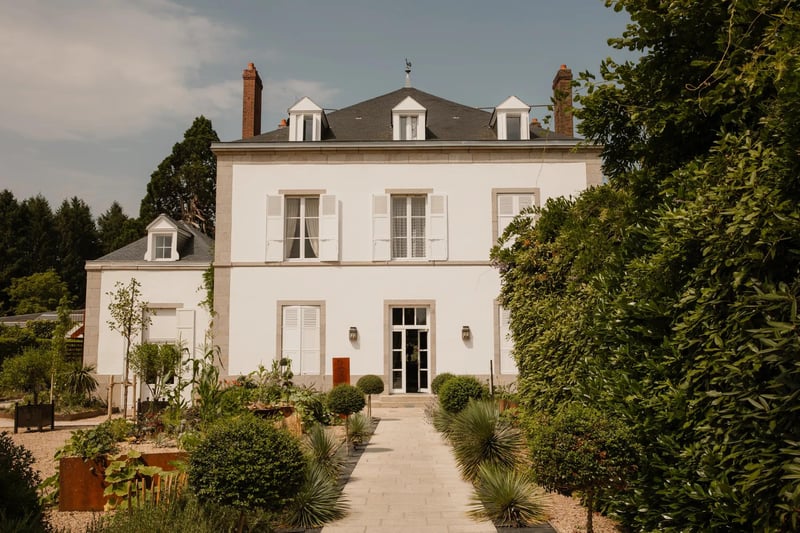
A feudal estate in the Charente countryside, Domaine de la Partoucie traces its origins to the fifteenth century yet refuses museum-piece formality. Period architecture and antique furnishings share space with contemporary design across just five rooms, preserving the intimacy of a private home. Guests drift between a saltwater pool in the gardens, tennis courts, and farm-fresh breakfasts—Confolens and its restaurants lie ten minutes away.
Limoges Travel Guide: Best Hotels, Restaurants & Experiences 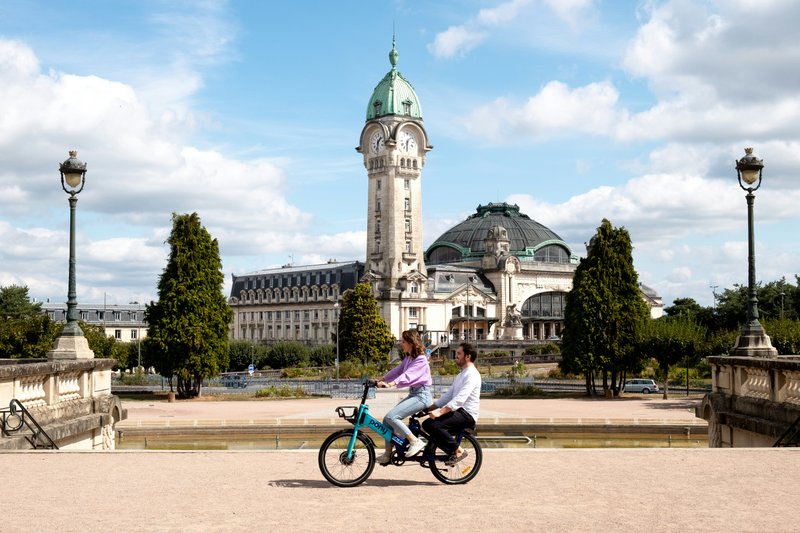
Explore Limoges
Hotels (1)
Restaurants (8)
Where to Stay
Where to Eat

★ Michelin· Relais & Châteaux
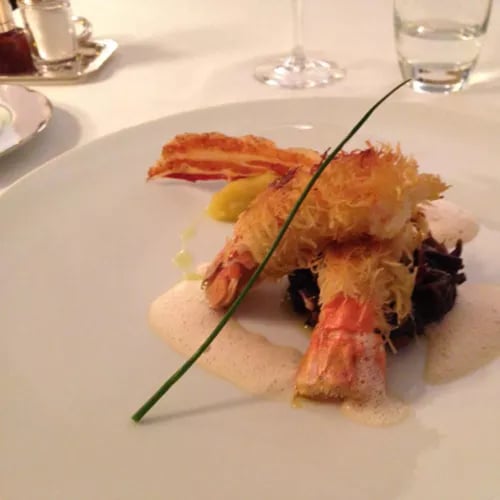
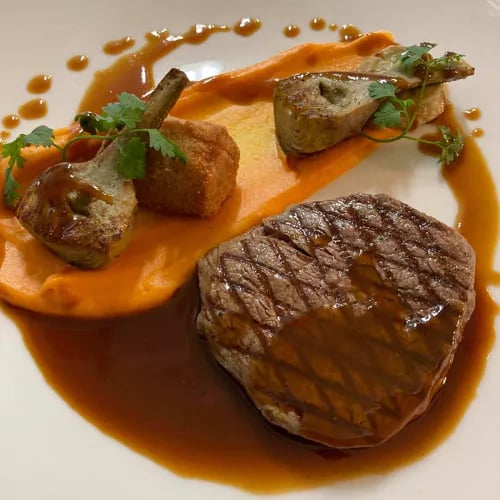
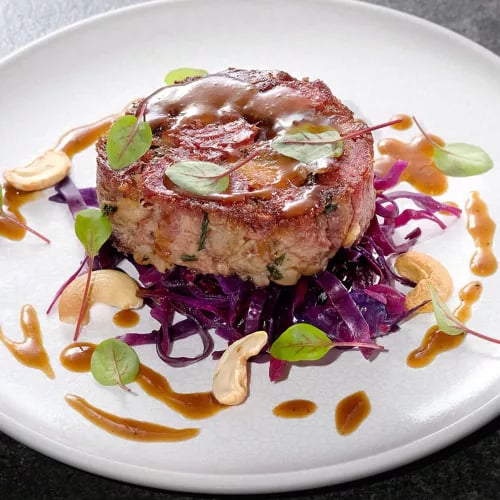
A 19th-century porcelain manufacturer's residence on Limoges' doorstep hosts this one-Michelin-starred table where father-son duo Gilles and Henri Dudognon celebrate Limousin terroir. Dishes arrive on Bernardaud porcelain—a graceful nod to local heritage—featuring regional classics like pithiviers alongside contemporary plates built from the estate's own vegetable garden. The hushed elegance suits occasion dining that honors both tradition and craft.

Michelin Selected
Chef Olivier Polla orchestrates a menu driven by exceptional produce—foie gras, hand-dived scallops, velvety calf sweetbreads, and richly flavored female Muscovy duck—each dish shaped by the morning's inspiration rather than rigid formulas. The setting, a handsome half-timbered house in the medieval butchers' quarter of Les Bouchers, provides atmospheric counterpoint to his polished modern plates.

Michelin Selected
Chef Martin Dumas, a Limoges native, runs this modern French table steps from the market where he sources daily provisions. The concise seasonal menu favors generous cuts of meat for sharing, though the signature dish remains his thickly sliced calf's liver—a technique learned under Jean-Paul Arabian in Paris. A peaceful terrace offers respite between courses.

Michelin Selected
Chef Arthur Buisson brings a well-traveled palate to this stylish Boulevard Carnot address, where aromatic herbs, bold spices, and global seasonings punctuate each plate. The cooking reads as modern and playful, shaped by years of international experience that lend his compositions a distinctive vibrancy. Buisson's pastry skills add a polished finish, making L'Aparté a compelling choice for curious gastronomes exploring Limoges.

Michelin Selected
A handsome 19th-century sous-préfecture now houses this fashionably appointed dining room in Saint-Yrieix-la-Perche, just outside Limoges. Chef Ludwik Crosnier, shaped by notable kitchens, delivers seasonal plates built on local produce, precise technique, and carefully balanced flavors. Claire's warm, attentive service completes the experience—an accomplished address for travelers seeking refined regional cooking in relaxed surroundings.

Michelin Selected
A seventeenth-century cloister beneath Limoges cathedral now houses this refined dining room, where weathered stone walls meet clean contemporary lines. The chef's market-driven menus shift with seasonal availability and daily inspiration, culminating in multi-course surprise tastings each evening. From the shaded terrace, diners glimpse the kitchen in action—an intimate window into preparations that favor technique and impeccable sourcing over predictability.

Michelin Selected
A woodland clearing near the Vienne River sets the stage for Lauryvan's seasonal French cooking, with a lakeside terrace adding pastoral charm. The kitchen delivers precise dishes—ballotine of guinea fowl paired with chestnut mousseline, calf sweetbreads glazed in Madeira reduction—while a lychee-ginger pavlova closes meals with unexpected brightness. Guests choose between refined restaurant service or relaxed bistro atmosphere.

Michelin Selected
Three generations of the same family have shaped this village inn into a destination for thoughtful regional cooking. The kitchen walks a deliberate line between ancestral technique and contemporary sensibility, with menus that shift according to the seasons and ingredients prepared with evident care. A Michelin Plate holder, Nougier rewards travelers seeking genuine hospitality away from urban bustle.
Frequently Asked Questions
What is Limoges known for beyond porcelain?
+
The city has a distinguished tradition in medieval enamelwork, with the technique known as émail champlevé reaching its peak here in the 12th century. The Musée des Beaux-Arts houses exceptional examples. Limoges also serves as a gateway to the rural Limousin plateau, known for its beef cattle, chestnut orchards, and the Lac de Vassivière arts centre.
Which neighborhoods should visitors explore on foot?
+
The Cité quarter around the cathedral offers quiet medieval streets and views over the Vienne valley. The Château district, the historic commercial centre, contains most restaurants and the striking art deco train station designed by Roger Gonthier. The rue Jean-Jaurès corridor connects both areas and passes the Halles Centrales market.
When is the best time to visit for food and culture?
+
Autumn brings the chestnut harvest and game season to restaurant menus. The Fraissinet porcelain sales occur twice yearly and draw collectors internationally. Summer offers the Festival des Francophonies, showcasing theatre and music from French-speaking nations, while the weekly markets peak with regional produce from June through October.
Nearby Destinations
Explore France


Limoges
The capital of Haute-Vienne built its reputation on fire and clay. From the medieval Boucherie quarter to the half-timbered houses along rue de la Boucherie, the old town retains a working artisan atmosphere absent from more polished French cities. The Musée National Adrien Dubouché holds one of Europe's finest ceramics collections, while the Cathédrale Saint-Étienne displays six centuries of Gothic architecture. Local tables draw on Limousin beef, châtaignes from surrounding forests, and the region's underrated wines from nearby Corrèze.
Dining here rewards curiosity over reputation-chasing. Chefs work with suppliers from the Halles Centrales, a covered market where producers from the Monts du Limousin sell raw-milk cheeses and charcuterie. The city's accommodation scene remains intimate — converted maisons de maître and smaller properties dominate, offering proximity to the enamel workshops of the Saint-Martial quarter and the botanical gardens along the Vienne river.