


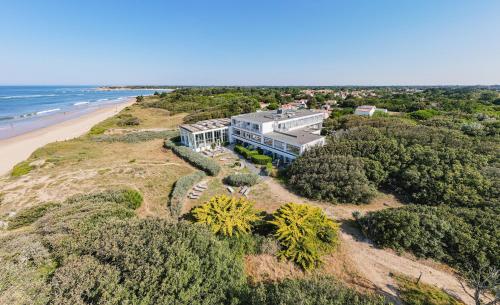
Sunset views over the Bay of Biscay define the rhythm at this 31-room coastal retreat on Oléron. Rooms dressed in soothing sea tones open onto Atlantic horizons, while a comprehensive wellness circuit—heated indoor pool, jacuzzi, sauna, and hammam—anchors the ground floor. Evening rituals migrate to the rooftop bar for cocktails against fading light. A garden and pet-friendly policy suit travelers seeking relaxed seaside luxury.
Île d'Oléron Travel Guide: Best Hotels, Restaurants & Experiences 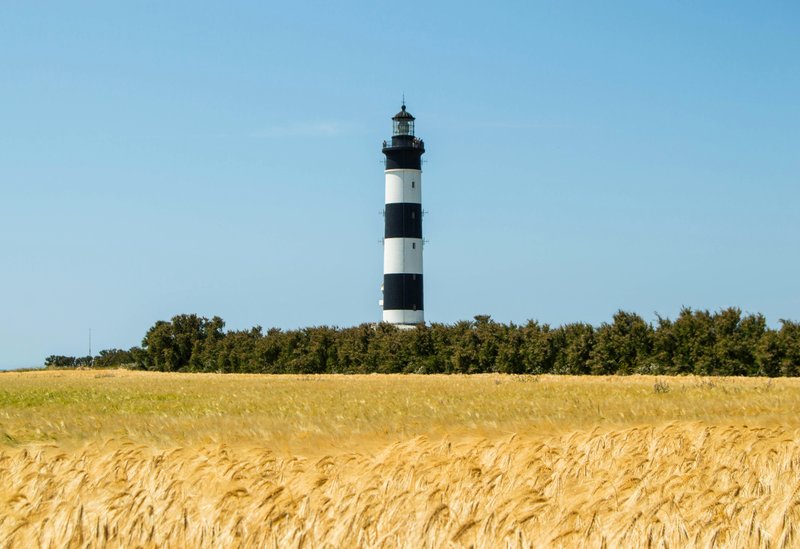
Explore Ile Doleron
Hotels (1)
Restaurants (6)
Where to Stay
Where to Eat

Michelin Selected
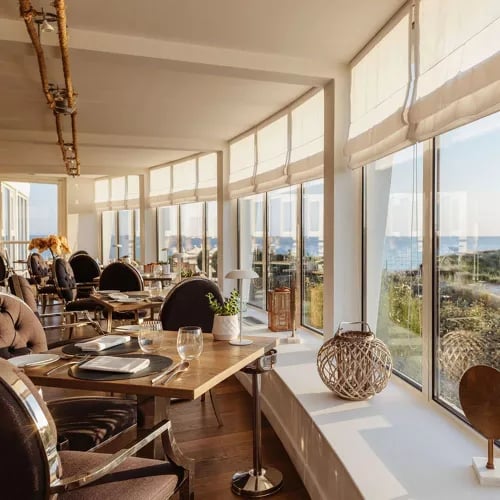
Dunes and wild Atlantic coastline frame this dining room near Rémigeasse beach, where floor-to-ceiling windows capture both the indoor pool's shimmer and the ocean's golden hour. The kitchen honors Oléron's maritime bounty through precise preparations—line-caught meagre tartare brightened with green apple, pollock dressed in tarragon oil and fish roe beurre blanc. A serene address for sunset-lit seafood.

Michelin Selected
The Gillardeau family, legendary oyster farmers, extends their maritime expertise to this relaxed beachfront restaurant facing Île d'Oléron. Shellfish and fish dominate the menu, with the house oysters naturally taking pride of place. A generous terrace captures the coastal panorama, while four spacious junior suites allow guests to extend the seaside indulgence overnight—a rare combination of acclaimed produce and Atlantic views.

Bib Gourmand
A youthful team runs this spirited bistro at Oléron's northern tip, where a Bib Gourmand rewards their exacting approach to local sourcing. Fish arrives daily from island auctions; bread emerges from an on-site oven using Oléron-milled flour. The signature agnolotti of langoustines with lemon butter and herbs captures this philosophy—short supply chains, natural wines, and a concise menu that delivers on every promise.

Bib Gourmand
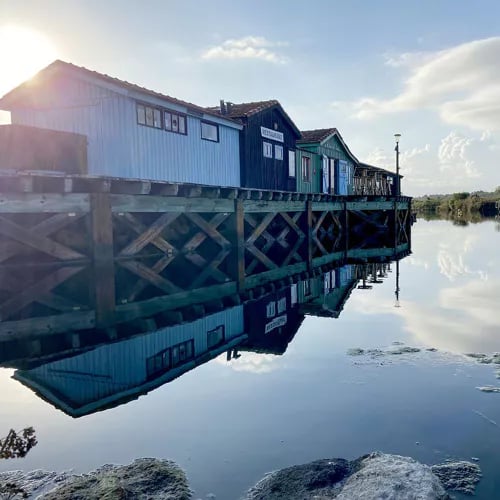
A former oyster shed turned waterside bistro, Le Relais des Salines honors its maritime origins while delivering Bib Gourmand-recognized cooking. The kitchen works with impeccably fresh seafood—oysters served simply, octopus confit paired with lentils and mustard sabayon—alongside spontaneous seasonal dishes. The terrace gazes out over salt marshes, making this an essential stop for travelers seeking authentic île d'Oléron character at honest prices.

Bib Gourmand
Piedmontese chef Gabriele Ferri brings Italian instincts and creative daring to this Bib Gourmand bistro, where seafood and vegetables dominate a menu that ventures into Japanese territory—poached hake with daikon, dashi, and umeboshi—before circling back to signature preparations like chard roasted in its skin alongside asparagus, fennel, burnt lemon paste, and beer-spiked beurre blanc. Meat appears only during hunting season, underscoring a fiercely seasonal philosophy.

Michelin Selected
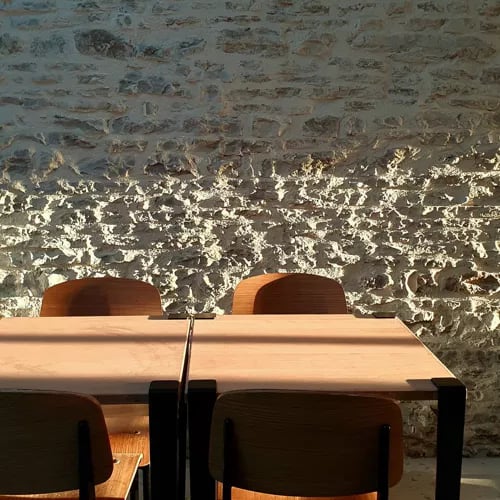
Chef Julien Borie returned to his native Oléron to establish this restaurant-bakery alongside baker Pauline Celle, following their acclaimed Baston venture in Bordeaux. The dining room's glass-fronted maturation cabinet displays the kitchen's prized aged fish, sourced from local fishermen and prepared with bistronomy precision. Organic sourdough from the adjoining bakery accompanies each course, while stone walls and vintage posters create an atmosphere of refined rusticity.
Frequently Asked Questions
When is the best time to visit Île d'Oléron for oysters?
+
The traditional oyster season runs from September through April, following the old rule of months containing an 'R'. During this period, the Marennes-Oléron oysters reach their peak flavor, and you can visit the cabanes ostréicoles around Fort Royer and Le Château-d'Oléron for tastings directly at the source. Summer visits still offer oyster experiences, though locals consider the cooler months superior for eating.
Which villages on Île d'Oléron have the best beaches?
+
Saint-Trojan-les-Bains on the southern tip offers the finest sandy beaches, accessible via a petit train that runs through the forest to Grande Plage. The Vert-Bois beach on the western coast attracts surfers, while families favor the sheltered coves near Boyardville on the eastern shore. Each village has distinct character — Saint-Trojan feels almost Mediterranean with its Belle Époque villas, while La Cotinière maintains its working fishing port atmosphere.
How do I reach Île d'Oléron from major French cities?
+
The island connects to the mainland via a toll-free viaduct departing from the town of Bourcefranc-le-Chapus. From Paris, the TGV reaches La Rochelle in approximately three hours, from where the island lies 30 kilometers south. Bordeaux sits roughly two hours by car. The Rochefort-Saint-Agnant aerodrome accepts private aircraft, while La Rochelle's airport handles domestic flights.
Nearby Destinations
Explore France



Ile Doleron
France's second-largest island stretches across the Marennes-Oléron basin, connected to the mainland by a graceful viaduct that deposits visitors into a landscape of salt marshes, pine forests, and working oyster ports. The eastern shore around Le Château-d'Oléron and Boyardville faces the calm waters where ostréiculteurs tend their parks, while the western coast from Saint-Trojan-les-Bains to the Chassiron lighthouse offers wild Atlantic beaches backed by dunes and tamarisk.
The island's dining scene draws directly from its waters — oysters from the local claires, mussels, sea bass, and the prized Marennes-Oléron flats that turn green from the algae in finishing ponds. Village squares in Saint-Pierre-d'Oléron and La Cotinière harbor seafood restaurants where the catch arrives daily from the island's fishing fleet. Accommodation tends toward intimate properties: converted farmhouses in the interior vineyards, seaside villas near Grand Village beach, and small hotels where the scent of pine mingles with salt air.