


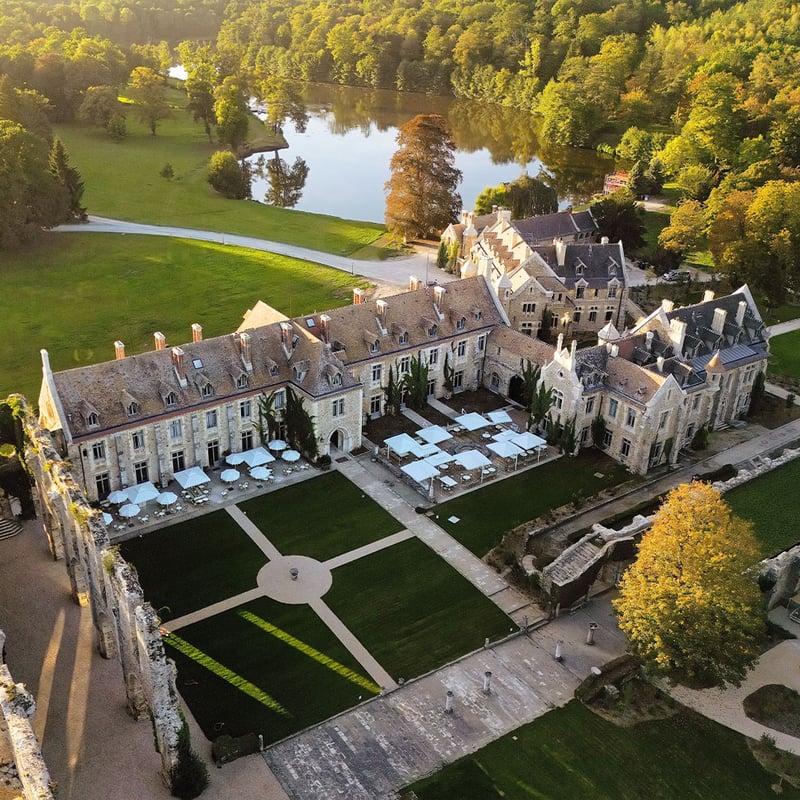
A twelfth-century Cistercian abbey restored by the Rothschild family now operates as Paris Society's first country retreat, its 147 rooms designed by Cordélia de Castellane with preserved woodwork and original fabrics. The 80-hectare estate offers six restaurants—including Les Chasses in the historic hunting lodge—a Tata Harper organic spa, and activities from archery to hot air balloons, making it ideal for families seeking refined countryside immersion.
Fontainebleau Travel Guide: Best Hotels, Restaurants & Experiences 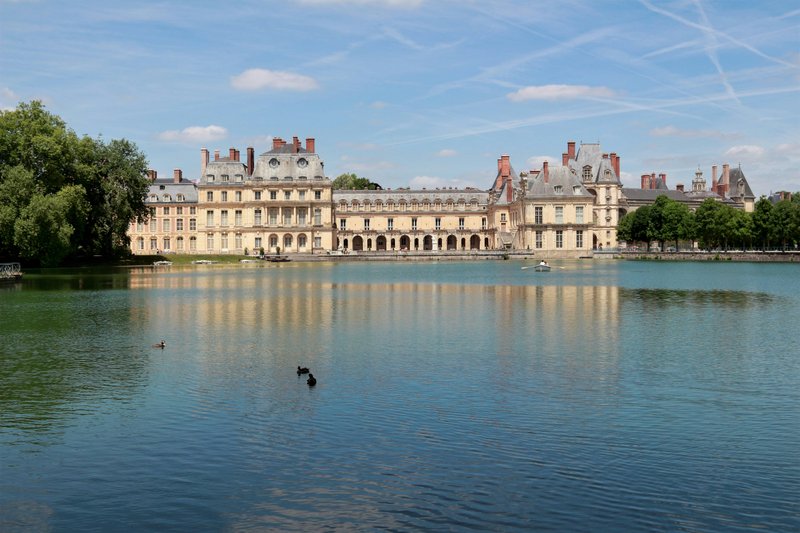
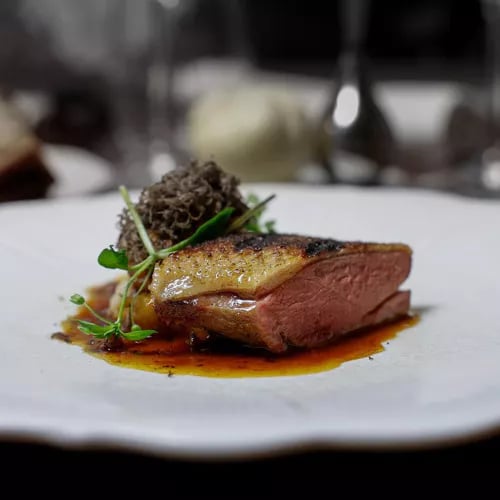
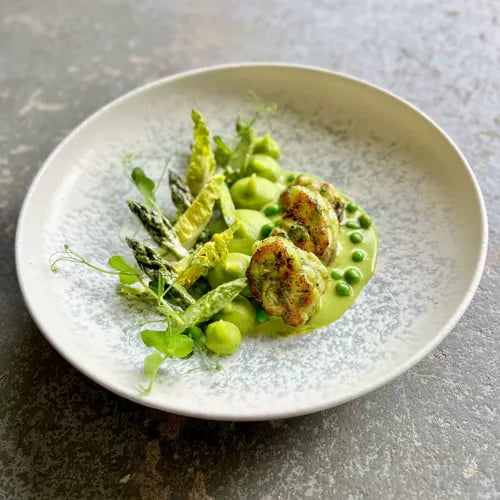
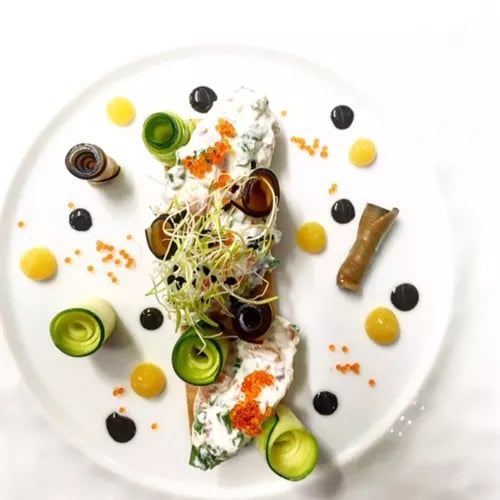
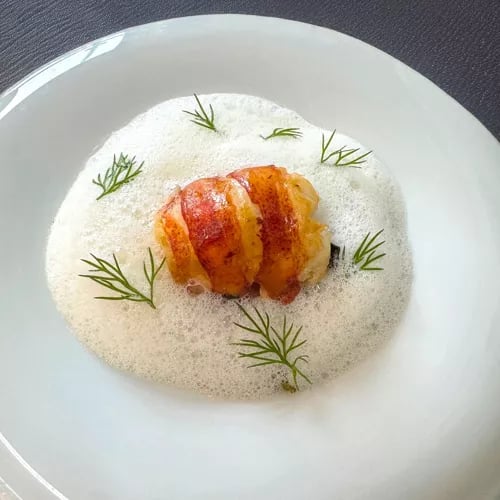
Explore Fontainebleau
Hotels (2)
Restaurants (9)
Where to Stay

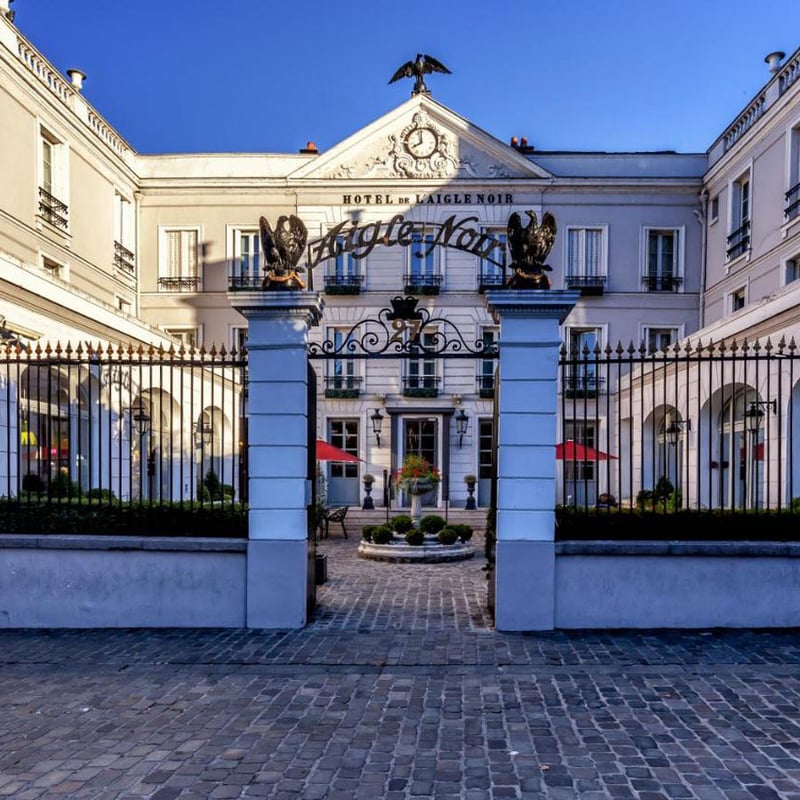
A stone's throw from the royal château, this 18th-century hôtel particulier pairs Empire-style heritage with bold contemporary verve—jewel-toned interiors, graphic murals, and vibrant patterns animate its 56 individually decorated rooms and suites. Several chambers frame views of Place Napoléon Bonaparte and the château gardens beyond. Cocktails at Le Montijo and Italian fare from A L'Epicerie Pastatime complete an address suited to design-conscious weekenders.
Where to Eat

★ Michelin
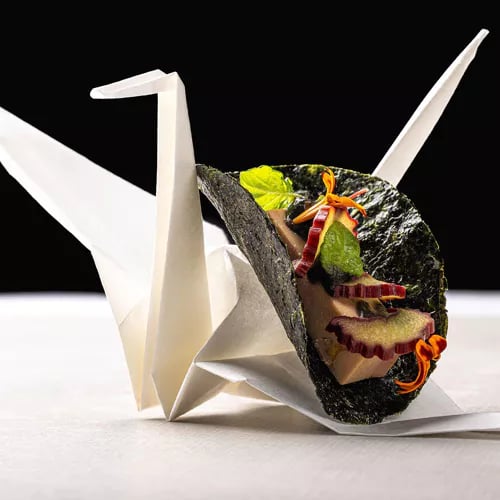
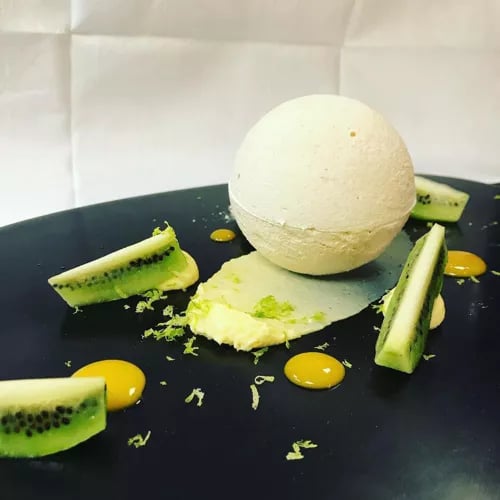
Kunihisa Goto holds one Michelin star for his precise Franco-Japanese cooking in this understated Fontainebleau dining room. French gastronomy anchors the menu—foie gras, snails, seasonal produce—while daikon, lotus root, shiso, and Wagyu introduce Japanese inflections that sharpen rather than obscure the classics. His slow-cooked egg has earned signature status. Plates arrive as composed still lifes, each element calibrated for visual and gustatory balance.

★ Michelin
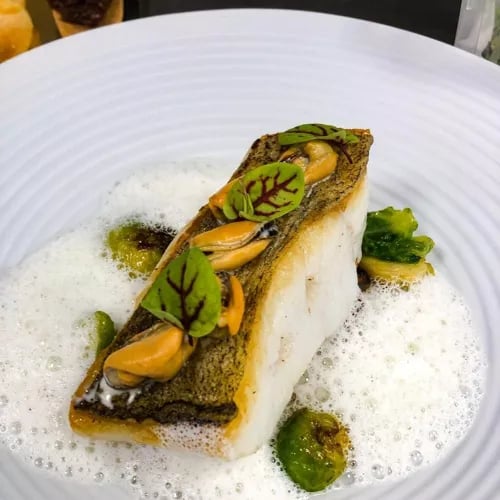
Chef Nicolas Tissier, shaped by formative years alongside Jean-François Piège and Christian Le Squer, now commands this one-starred family table in a village once restored by Viollet-le-Duc. His surprise menus build around langoustine, monkfish, and sweetbreads with chanterelles, each plate achieving careful equilibrium. The cheese trolley alone—some fifty varieties—rewards those who linger over a proper French lunch.

Michelin Selected
Tucked away at the end of a quiet alley in Brie-Comte-Robert, La Fabrique occupies an industrial loft whose raw aesthetic—exposed beams, textured surfaces—creates an unexpectedly intimate backdrop for bistro-inflected gastronomy. The kitchen delivers precise, comfort-driven plates with contemporary polish, while the convivial atmosphere draws locals and visitors alike seeking an unhurried meal away from more obvious addresses near Fontainebleau.

Michelin Selected
Two distinct dining experiences share one address: Brasserie Louis serves honest traditional fare, while Le Bouche à Oreille delivers a gourmet counterpoint with lobster, scallops, and foie gras treated to inventive preparations. The contemporary interior feels polished without pretension, service runs with quiet efficiency, and overnight guests can retreat to modern rooms upstairs—making this a compelling stop near Fontainebleau.

Michelin Selected
A former roadside inn turned elegant dining room, Restaurant du Champ de Mars pairs rustic charm—beamed ceilings, exposed stone, terracotta tiles—with refined contemporary touches. Chef Romain Leydier draws on local terroir, pairing crab with Meaux mustard mayonnaise and Brie caviar, while Corrèze veal sweetbreads grenobloise and praline millefeuille with Madagascar vanilla anchor a generous, ingredient-driven menu. The tree-lined terrace beckons in warmer months.

Michelin Selected
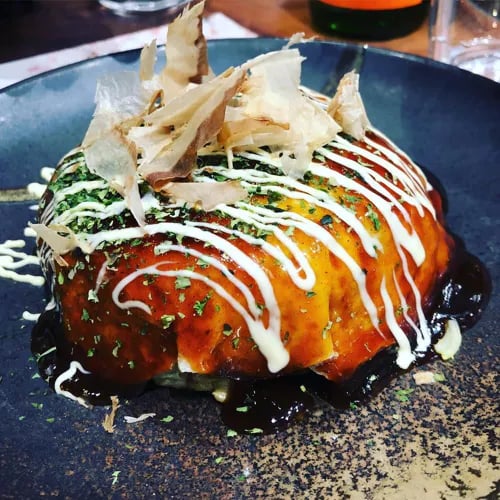
Michelin-starred chef Kunihisa Goto operates this teppanyaki address in central Fontainebleau, where counter seats place diners front-row to the cooking spectacle. The menu moves through gyozas, ramen, and the house specialty okonomiyaki—each dish assembled with deliberate precision. Lunchtime brings excellent-value bento sets in teishoku style. The room fills fast; reservations prove essential for this perpetually busy Japanese spot.

Michelin Selected
Asturian roots run deep at this family-owned Spanish table along the quays of Melun. The kitchen delivers generous Iberian classics with precision: pluma of Iberian pork, salt cod lifted by pungent aïoli, and a signature paella loaded with chicken, chorizo, cuttlefish, mussels, and prawns. Meals conclude with traditional turrón, a fitting finale to an authentic regional feast.

Michelin Selected
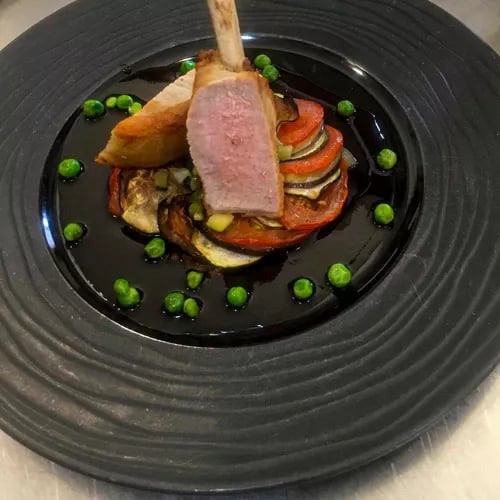
A short drive from Fontainebleau brings diners to this Michelin-recognized address in the village of Donnemarie-Dontilly. The chef's commitment to seasonal produce shapes a menu where each plate celebrates ingredient quality—the chicken supreme paired with garden vegetables exemplifies this philosophy. Housed on the market square, La Croix Blanche delivers honest, carefully crafted cuisine in an unpretentious countryside setting.

Michelin Selected
A former antique shop on Milly-la-Forêt's market square now houses this elegant contemporary dining room, where a young chef couple craft market-driven plates with Mediterranean accents. Grilled octopus arrives with black garlic and fregola sarda; veal rump comes paired with polenta and cardamom. The patio terrace makes an ideal setting for unhurried lunches when weather permits.
Frequently Asked Questions
What is the best area to stay in Fontainebleau?
+
The centre-ville around rue Grande places you within walking distance of the château, restaurants, and the forest edge. Properties near the Avon train station offer easier Paris connections, while addresses bordering the forest suit those prioritizing nature access over town conveniences.
How far is Fontainebleau from Paris?
+
The Transilien R line reaches Fontainebleau-Avon station in approximately 40 minutes from Gare de Lyon. The station sits about 2 kilometers from the château and town center, connected by local bus or a pleasant walk through Avon.
When is the best time to visit Fontainebleau?
+
Autumn brings forest colors and game season to local menus. Spring offers mild weather for exploring the château gardens and forest trails. Summer draws crowds but extends restaurant terrace hours, while winter provides atmospheric château visits with fewer tourists.
Nearby Destinations
Explore France



Fontainebleau
An hour south of Paris by train, this royal town grew around one of France's most significant châteaux — a residence favored by François I, Napoleon, and generations of French monarchs. The surrounding forest, stretching across 25,000 hectares of oak and pine, shaped the town's identity as a retreat from the capital long before the concept existed elsewhere. Today, the compact centre-ville clusters along rue Grande and rue de France, where 19th-century townhouses now house antique dealers and traditional brasseries.
The dining scene reflects both bourgeois tradition and proximity to Parisian talent. Classic French restaurants serve game from the forest in autumn, while newer addresses bring contemporary techniques to regional produce from the Gâtinais. Beyond the château walls, the Avon quarter offers quieter residential streets and access to the forest's famous climbing boulders at Rocher Canon and Cuvier Rempart — a landscape that draws weekend visitors for hiking and the peculiarly French sport of bloc climbing that originated here in the 1900s.