


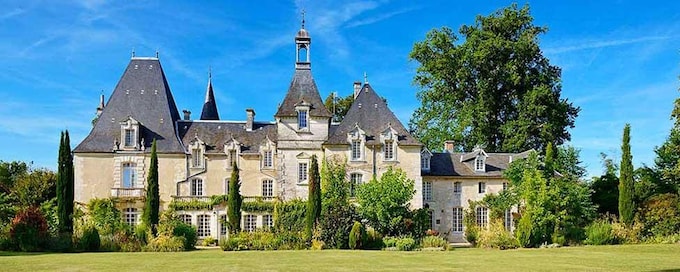
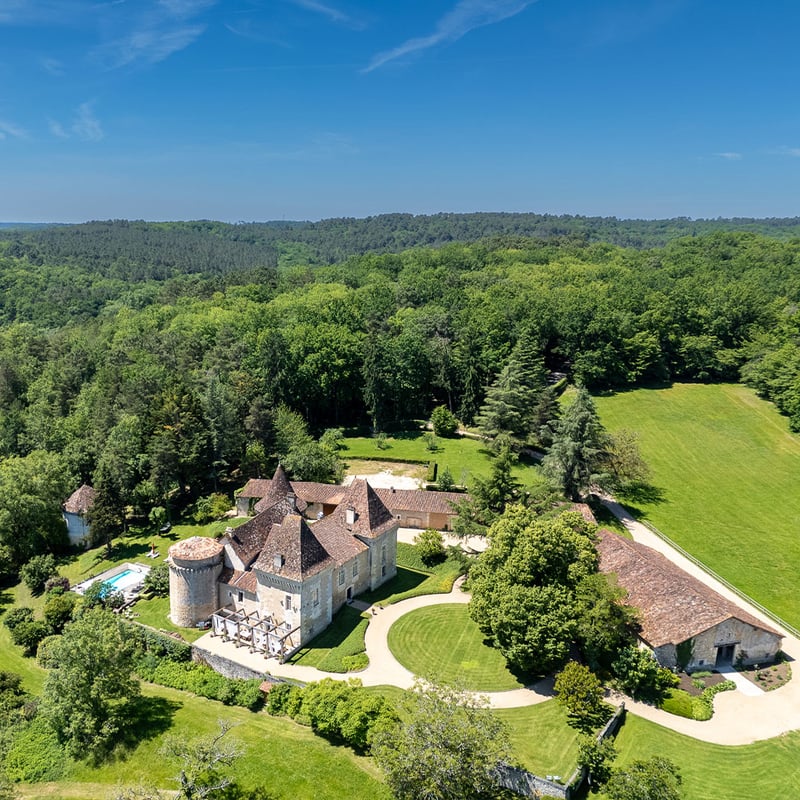
A Renaissance château rising from manicured lawns shaded by century-old oaks, sequoias, and chestnut trees, Château Le Mas de Montet delivers storybook grandeur in the Dordogne countryside. The property particularly suits families: a standalone cottage on the grounds offers privacy, while larger doubles in the main house accommodate extra beds for children. An accessible entry point to castle living without sacrificing comfort.
Périgueux & Dordogne Valley Travel Guide: Best Hotels, Restaurants & Experiences 
Explore Dordogne
Hotels (4)
Restaurants (10)
Where to Stay

A fifteenth-century château transformed into a sharply contemporary maison d'hôte, Château de Maraval delivers design-forward luxury within the rural Dordogne. The adults-only property spreads across a century-old park, with a spa and swimming pool offering respite between explorations of the surrounding valley. Stone walls and modern interiors create an atmosphere suited to couples seeking seclusion without sacrificing sophistication.

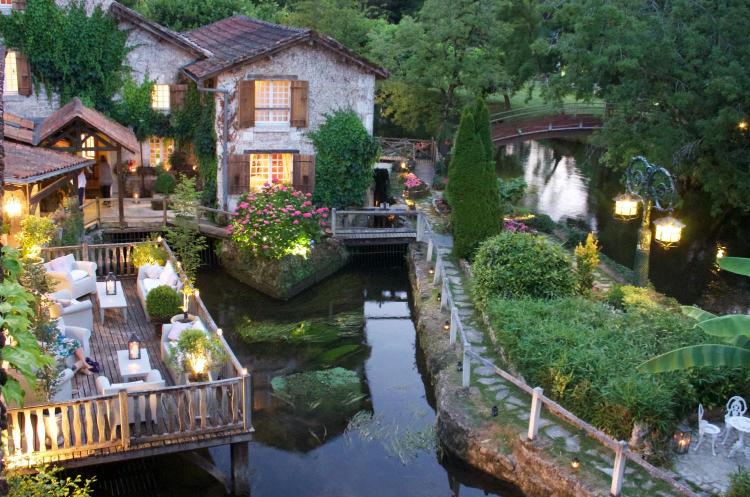
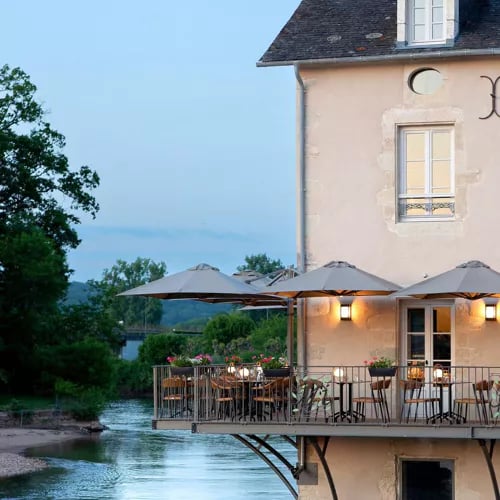
A converted mill on the banks of a trout stream, Le Moulin du Roc channels the romantic essence of the Périgord countryside. The Michelin-starred restaurant commands attention, delivering some of the region's most accomplished cuisine in a setting of considerable charm. Families find genuine welcome here, with the pastoral grounds and relaxed atmosphere suited to multi-generational stays.

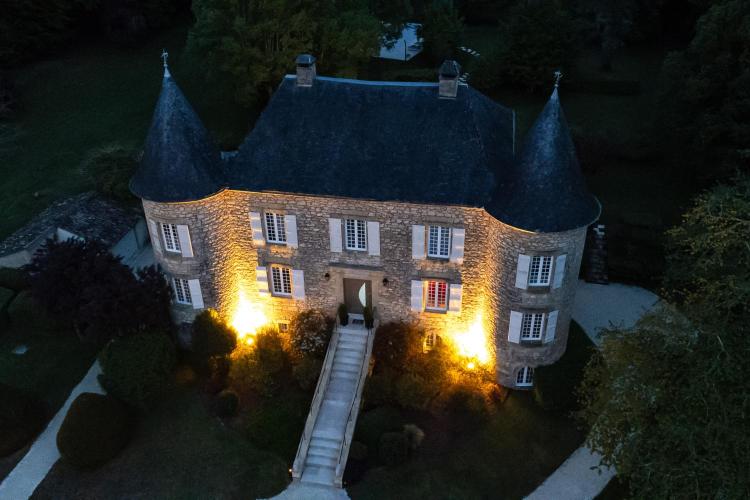
Battlements and towers rise from Périgord woodlands at this 15th-century château, its fairy-tale silhouette housing just seven rooms named for artists like Matisse and Monet. The tower suite reveals rough-hewn stonework paired with a spa-caliber bathroom beneath aged timbers. An open-plan kitchen hosts private gastronomic dinners with visiting chefs, while gardens lead to a seasonal pool and tennis court.
Where to Eat

★ Michelin
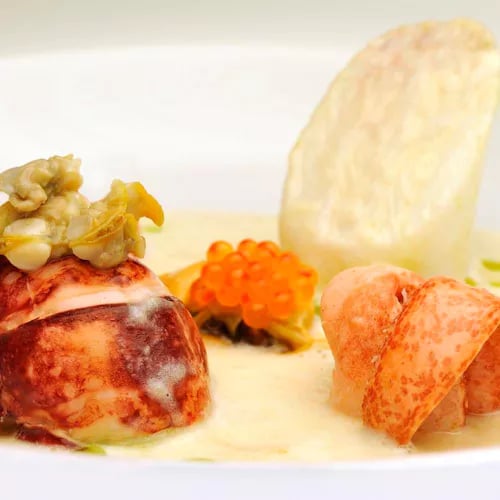
Chef Éric Vidal runs this Michelin-starred table beside Périgueux cathedral with quiet mastery, letting prime ingredients speak through deceptively simple preparations. His wild turbot baked in olive oil, paired with pressed celery and black truffle, demonstrates the kitchen's regional convictions. Seating just thirty guests, L'Essentiel maintains a family-run intimacy, its carefully matched wines completing an evening of precise, understated gastronomy.

Michelin Selected
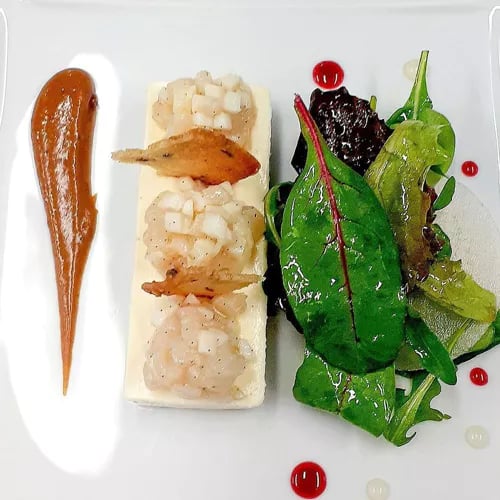
Chef Richard Lequet, who earned his Michelin star at L'Amphitryon in Limoges, now commands an elegant bourgeois mansion on the outskirts of Périgueux. His evening surprise menus showcase rigorous seasonality—think Landes poultry ballotine with carrot tagliatelle and pea purée, or cod paired with fennel and smoked pancetta. House-baked breads from local flours complete a resolutely terroir-driven experience.

Bib Gourmand
Maryse Benoit-Gonin's cosy bistro earns its Bib Gourmand through an inspired collision of Italian technique and Périgord tradition. Potato gnocchi arrive glossed with local walnut oil, while guinea fowl terrine gains depth from pancetta and foie gras. A Périgord beef meatball, prepared alla milanese, crystallizes the kitchen's cross-cultural philosophy—rustic ingredients handled with precision, generous portions without pretense.

Bib Gourmand
A refurbished farmhouse on the heights above Périgueux provides the stage for chef Gilles Gourvat's cooking, which roots itself firmly in Périgord tradition while drawing occasional inspiration from the Basque Country. Duck confit arrives with wild mushrooms; seasonal truffles enrich simple scrambled eggs; foie gras comes semi-cooked alongside figs. The Bib Gourmand designation confirms the value proposition for regional gastronomy done right.

Bib Gourmand
Perched above Périgueux, this husband-and-wife bistronomic table earned its Bib Gourmand through Vincent Cardoso's disciplined approach to local ingredients. The menu changes weekly, allowing seasonal vegetables and Dordogne produce to dictate the direction—brandade of salmon with sweet wine one week, chicken supreme with bay leaves and farm spinach the next. The weekday set lunch draws a loyal local following.

Michelin Selected
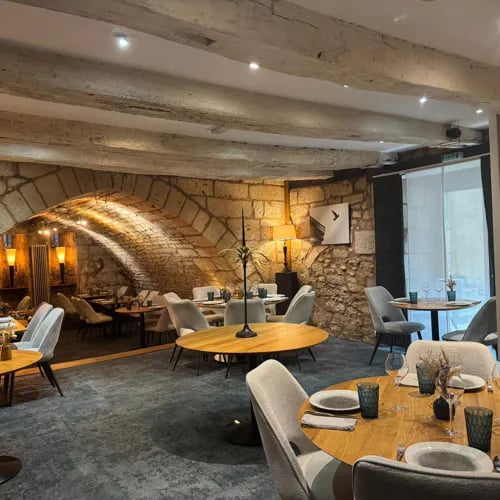
Beneath the shadow of Cathédrale Saint-Front, a sixteenth-century vaulted dining room sets the stage for cooking rooted firmly in Dordogne terroir. The kitchen delivers confident regional classics—semi-cooked foie gras terrine with rhubarb pickles and Monbazillac, pan-fried magret, tarte Tatin crowned with salted butter caramel ice cream—executed with precision and warmth that suits both casual lunches and celebratory dinners.

Michelin Selected
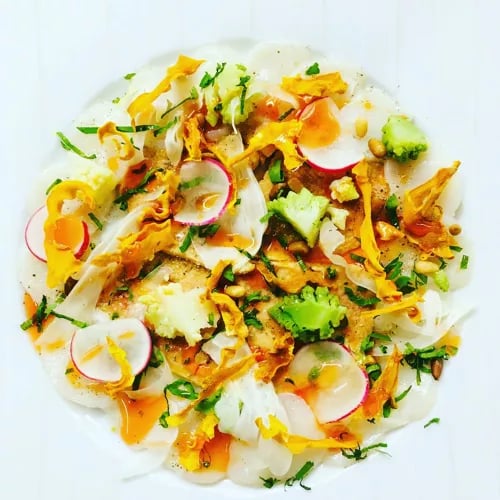
Chef Gilles Labbé runs his kitchen with quiet precision inside a characterful old townhouse in central Périgueux. Aubrac and Salers beef, aged six weeks in-house, anchors a menu that gives equal care to vegetable preparations—each plate reflecting a craftsman's attention to detail. The dining room's attentive service matches the food's refinement, making this a compelling stop for modern French cuisine in the Dordogne.

Michelin Selected
Named for the Occitan word for table, La Taula delivers on that promise of convivial, straightforward dining steps from Périgueux cathedral. Chef Christine Maurence builds her repertoire around Périgord traditions: veal kidney roasted whole with mustard seeds, house-made stuffed duck's neck, and expertly prepared semi-cooked foie gras. The approach is resolutely unfussy, letting quality ingredients and regional heritage speak without pretense.

Michelin Selected
Original mill cogs sit preserved beneath a glass floor at this riverside address in Terrasson-Lavilledieu, where a Brive-born chef delivers robust Périgord cooking with genuine regional pride. The menu runs from calf's head with ravigote sauce to free-range guinea fowl, finishing with moist walnut cake. A terrace extends over the Vézère, framing views of the twelfth-century Pont Vieux.

Michelin Selected
Beneath century-old arcades in Périgueux's historic quarter, this address takes its name from the Petrocorri, the Gallic tribe who once inhabited these lands—a declaration of terroir allegiance. The kitchen operates a clever dual format: accessible bistro fare at midday, then meticulous multi-course dining after dark. Local produce receives subtle contemporary inflections, as in the signature black Périgord pork paired with black beans and garlic condiment.
Frequently Asked Questions
What is the best season to visit the Dordogne Valley?
+
Late spring through early autumn offers the warmest weather and fullest cultural calendar, with markets, festivals, and open-air dining. However, winter has its own appeal—truffle season runs December through February, and visitor numbers drop considerably, making it easier to secure tables at sought-after restaurants and explore sites without crowds.
How far is Périgueux from Bordeaux and Toulouse?
+
Périgueux sits roughly 120 kilometers east of Bordeaux and 200 kilometers northwest of Toulouse. The drive from Bordeaux takes approximately ninety minutes via the A89 motorway; from Toulouse, expect around two hours via the A20. Regional trains also connect Périgueux to both cities, though frequencies vary by season.
Are the prehistoric caves accessible year-round?
+
Lascaux IV, the full-scale replica of the original cave, operates throughout the year with extended hours in summer. The original Lascaux remains closed to protect the paintings. Other sites like Font-de-Gaume and Les Combarelles require advance booking, particularly in peak months, as daily visitor numbers are strictly limited to preserve the fragile environments.
Nearby Destinations
Explore France



Dordogne
The Dordogne Valley unfolds through limestone cliffs, walnut groves, and villages built from golden stone. Périgueux anchors the region with its Byzantine-domed cathedral and Roman vestiges, while the surrounding countryside holds a concentration of medieval bastides and Renaissance châteaux rarely matched elsewhere in France. The Vézère tributary cuts through prehistoric territory—Lascaux and Les Eyzies draw scholars and curious travelers alike.
Gastronomy here follows the seasons with particular intensity. Truffle markets in Sorges and Sainte-Alvère peak between December and February; foie gras and duck confit remain year-round staples. Restaurants range from Michelin-starred tables in converted farmhouses to riverside guinguettes serving walnut wine. Hotels occupy restored manor houses, converted tobacco barns, and working wine estates, many with kitchens that source exclusively from the immediate terroir.