


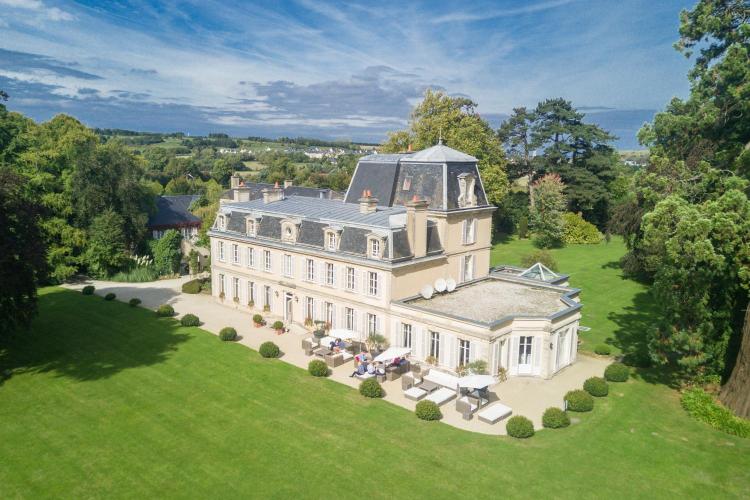
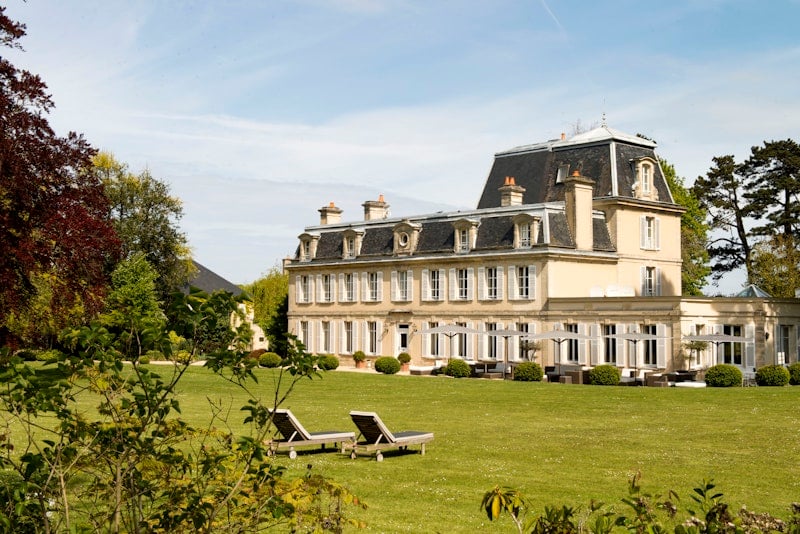
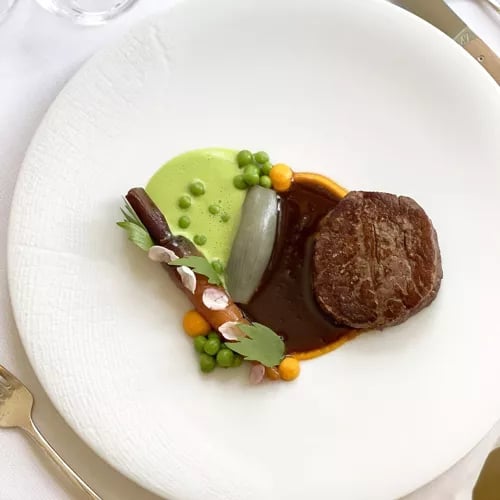
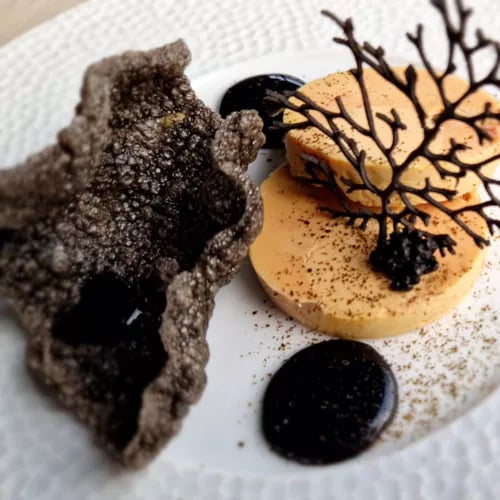
An 18th-century manor set within twelve hectares of parkland, Château La Chenevière bears traces of its wartime past while offering refined Norman hospitality. Chef Didier Robin's Le Botaniste showcases regional treasures—Normandy scallops, cidré beef, lobster—alongside produce from the permaculture garden and honey from estate beehives. A private heliport enables dramatic flights over the D-Day beaches, while families appreciate the heated pool with children's basin and electric bikes fitted with child seats.
D-Day Beaches Travel Guide: Best Hotels, Restaurants & Experiences 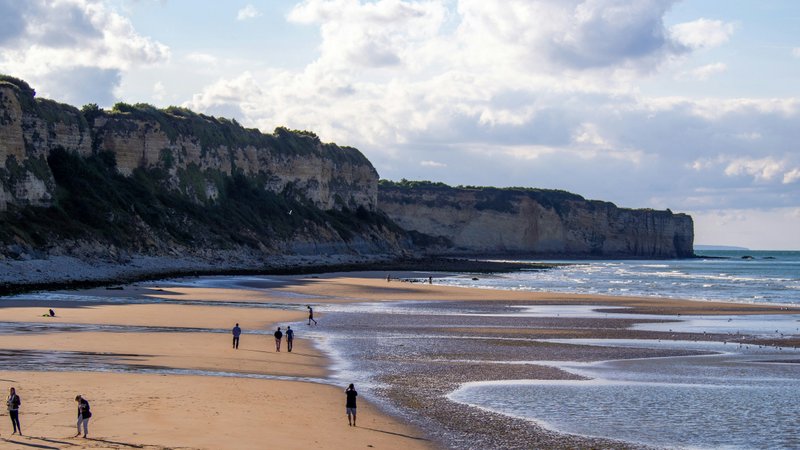
Explore D Day Beaches
Hotels (2)
Restaurants (5)
Where to Stay

Small Luxury Hotels
This graceful 18th-century château near Bayeux offers thirty rooms dressed in soft pastels, each overlooking manicured gardens and parkland just minutes from Omaha Beach. The gastronomic restaurant draws deeply on Norman terroir, while a heated outdoor pool and tennis court occupy the grounds. Evenings wind down in a speakeasy-style bar—an English country house sensibility filtered through unmistakably French refinement.
Where to Eat

Michelin Selected
Just inland from Juno Beach on the Côte de Nacre, chef Anthony Vallette—a Norman native from Condé-sur-Vire—channels his regional roots through precise, market-driven cooking. Channel fish arrives alongside andouille de Vire and De Bayeux pork, each dish balancing local tradition with measured contemporary flair. The approach suits travelers seeking genuine terroir after exploring the landing beaches, without pretension but with evident craft.

Michelin Selected
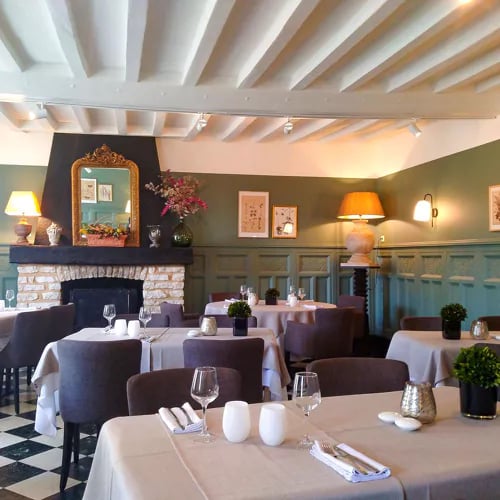
Eighteenth-century wood panelling and parquet floors frame a refined dining room where the chef cultivates his menu quite literally from the château's own vegetable garden. Small-scale Norman suppliers provide the rest—free-range chicken slow-roasted with elderflower jelly, pearlescent brill paired with fennel confit and lobster bisque. The service matches the setting: polished, unhurried, precise.

Michelin Selected
Four generations of family history infuse this Percheron auberge, where the chef returned after training in prestigious kitchens to revive his great-grandparents' legacy. His modern French cooking carries subtle southwestern accents, courtesy of his wife's regional roots. The intimate dining room gives way to a small patio ideal for leisurely country lunches — a genuine slice of rural Normandy hospitality.

Michelin Selected
Horses graze just beyond the garden terrace at this rustic Norman inn, where the legendary Haras du Pin stud farm provides an unscripted backdrop to lunch. Chef Stéphane Mabille, alongside wife Agnès, prepares robust house-made terrines and regional Normandy cooking with evident care. The atmosphere remains deliberately unstarched—a refreshing contrast after touring the grand stables next door.

Michelin Selected
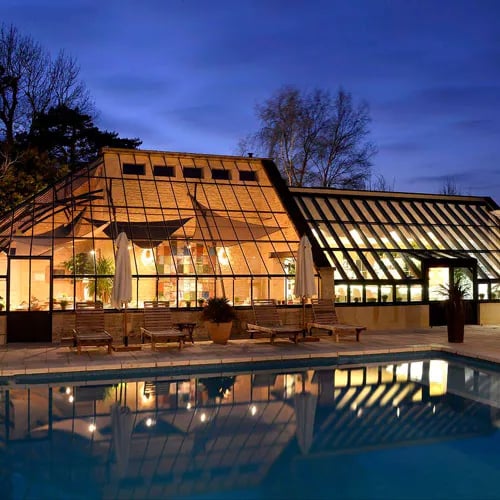
Beneath the soaring glass roof of Château de la Chenevière's former orangery, Le Petit Jardin delivers refined bistronomy in English cottage surroundings. The kitchen favors modern technique—witness the signature slow-cooked egg with celery cream, cockles, and samphire—while maintaining a seasonal pulse. Tables overlook the château's gardens and swimming pool, making this an appealing lunch stop between D-Day beach visits.

Michelin Selected
An oyster-farming family operates this contemporary seafood restaurant in Courseulles-sur-Mer, where shellfish are purified mere steps away across the water. The kitchen channels Normandy's coastal bounty into modern plates that prioritize visual precision alongside flavor. Locally caught fish and regional produce anchor a menu that rewards travelers seeking an authentic taste of the D-Day coastline in stylish, relaxed surroundings.
Frequently Asked Questions
Which town offers the best base for visiting all five landing beaches?
+
Bayeux sits roughly equidistant from Utah Beach in the west and Sword Beach in the east, making it the most practical hub. Its compact historic centre provides quality accommodation and dining within walking distance of the famous tapestry museum, while the coastal sites lie within 15 to 40 minutes by car.
What is the best season to visit the D-Day coastline?
+
Late spring through early autumn offers the most pleasant conditions. June holds particular significance for commemorative events, especially around the 6th, when veterans and visitors gather at the American Cemetery above Omaha Beach. September brings fewer crowds and softer light over the Channel.
Are the beaches and memorial sites accessible year-round?
+
The beaches themselves remain open at all times, though some museum sites and bunker complexes observe reduced winter hours. The Normandy American Cemetery at Colleville-sur-Mer opens daily except December 25th, and the vast majority of outdoor monuments can be visited freely regardless of season.
Nearby Destinations
Explore France


D Day Beaches
The stretch of Calvados coastline from Sainte-Mère-Église to Ouistreham carries a weight few landscapes can claim. Utah, Omaha, Gold, Juno, Sword — names that echo through twentieth-century memory now front quiet beaches where the tide reveals rusted fragments and the dunes have long since healed. Bayeux, with its medieval cathedral and celebrated tapestry, serves as the natural base for exploration, its stone-built centre offering the region's most refined addresses. Further west, Grandcamp-Maisy and Isigny-sur-Mer speak to a quieter Normandy of fishing boats and AOC butter.
The culinary landscape draws on both coastal abundance and the rich dairy traditions of the bocage interior. Expect menus anchored by sole, scallops from Port-en-Bessin, Isigny cream, and the pungent cheeses of the Pays d'Auge just inland. Small producers and market-driven kitchens dominate; this is not a region of grand gastronomic temples but of honest cooking rooted in terroir. Hotels range from converted farmhouses with exposed beams and cider orchting châteaux that once billeted officers, their grounds now silent except for birdsong and the distant crash of the Channel.