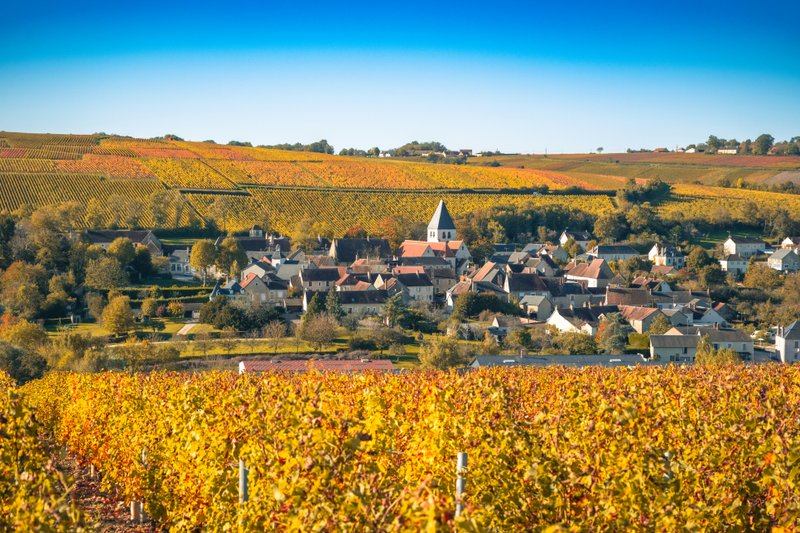
Four 19th-century stone buildings anchor this COMO property in Puligny-Montrachet, steps from the legendary Grand Cru vineyards. Designer Paola Navone's interiors play contemporary elegance against historic bones across 28 rooms. Chef Romain Versino's restaurant delivers Burgundian classics—pigeon with foie gras, Saône pike-perch—while the hotel's own cellar hosts tastings. Cycling routes thread through surrounding appellations; a seasonal pool and spa complete the offering.
Where to Stay
A 17th-century manor overlooking Puligny-Montrachet's village square houses this wine estate property, where seventeen rooms dressed in Deco-inflected contemporary style offer plush refuge between tastings. The gastronomic Klima and casual Bistro d'Olivier both draw from the Olivier Leflaive cellars, making this an essential address for oenophiles seeking immersion in Burgundy's grand cru heartland.
Where to Eat
Inside an 18th-century former rotisserie in Gevrey-Chambertin, chef Thomas Collomb orchestrates a tasting menu built on impeccable organic ingredients from carefully vetted suppliers. The intimate mountain-chalet atmosphere upstairs provides a counterpoint to the smart rustic stone walls below. A wine list of staggering depth rewards Burgundy enthusiasts, while the kitchen's sustainability focus has earned both a Michelin star and Green Star distinction.
Stone walls and exposed beams frame a dining room where illuminated spheres cast warm light over lava-topped tables. The kitchen sends out refined modern plates—langoustine with butternut squash and toasted buckwheat, Erquy scallops paired with Jerusalem artichokes and chestnuts. A shaded terrace overlooks manicured gardens, while the cellar holds over 1,200 wines for exploring Burgundy's finest appellations.
Midnight blue walls and Art Deco fixtures frame this one-starred table in Chassagne-Montrachet, where chef Édouard—shaped by kitchens including Philippe Rochat and Lameloise—orchestrates a fixed menu of precision and personality. Diver scallops arrive with Jerusalem artichoke and truffle; line-caught seabass meets pumpkin and lemon thyme hollandaise. Wife Émilie closes each meal with assured pastry work, making Ed.Em an essential pause on the Côte d'Or wine route.
Chef Jean-Christophe Moutet spent over a decade alongside Jacques Lameloise before returning to his native Meursault, where vineyards press against the windows of his panoramic dining room. A grand piano and glazed wine cellars set the stage for robust seasonal cooking—wild snails paired with cauliflower and smoked bacon, seared scallops enriched with pig's trotter and truffle-laced gravy.
Chef Jérémy Pèze has converted a winegrower's house along the Route des Grands Crus into a destination for refined modern cuisine. His kitchen demonstrates both precision and playfulness: trout from Crisenon's fish farm arrives with spinach, citron, and delicately smoked scales, while pumpkin meets foie gras with shiso and Bali cashews. The Costa Rican chocolate soufflé closes meals on a high note, complemented by a wine list befitting Meursault's terroir.
Renowned Côte de Beaune winemaker Olivier Leflaive operates two distinct tables within this elegant village property. Le Bistro d'Olivier serves seasonal dishes rooted in regional produce, while Klima pursues refined modern cuisine with fine dining precision. A glass-walled cellar displays the estate's remarkable 80 appellations, and an Art Deco bar sets the scene for serious wine exploration over thoughtfully crafted plates.
Bare stone walls and a handsome wooden counter frame this Bib Gourmand bistro's celebration of Burgundian cooking. The menu reads like regional nostalgia rendered edible: house-cured ham, eggs poached in wine, impeccably sourced Bresse poultry, and classic profiteroles. A wine list steeped in Côte d'Or terroir rewards those exploring the local appellations between courses.
Dramatic limestone cliffs encircle this wine-village bistro where a gifted chef transforms local Côte de Beaune ingredients into assertive modern plates. Flamed trout arrives with Brussels sprouts and unpasteurised cream; barbecued octopus meets umeboshi ketchup and beef-dashi broth. The country-bistro décor—dried flowers, wicker lampshades—belies the kitchen's ambition, while an excellent Saint-Romain selection anchors the wine list.
A converted wine press anchors this contemporary bistro in Morey-Saint-Denis, its bright dining room opening onto a garden terrace. The kitchen deploys modern technique with inventive pairings—beef tartare meets oysters under a veil of citrus jelly, red tuna arrives with lardo di Colonnata. The wine list proves equally compelling: deep regional selections, small-grower appellations, and notable vintages poured by the glass.
Word of mouth alone built L'Agastache's reputation in Volnay, and the cooking justifies the buzz. The chef's modern cuisine pivots on local sourcing, with vegetables and wild plants steering each plate toward unexpected balance. Evening service brings refined compositions—sea bass from Cannes paired with saffron aligot and dashi broth. The Italian patron's handmade pasta underscores a kitchen working with genuine craft.
Frequently Asked Questions
What are the main villages to visit along the Côte d'Or wine route?
+
The Route des Grands Crus connects over twenty villages between Dijon and Santenay. Northward lie the Côte de Nuits communes — Marsannay, Fixin, Gevrey-Chambertin, Morey-Saint-Denis, Chambolle-Musigny, Vougeot, Vosne-Romanée, and Nuits-Saint-Georges — known primarily for red wines. Southward, the Côte de Beaune includes Aloxe-Corton, Beaune itself, Pommard, Volnay, Meursault, Puligny-Montrachet, and Chassagne-Montrachet, producing both reds and the region's finest whites.
When is the best time to visit the Côte d'Or vineyards?
+
Late spring through early autumn offers the most rewarding visits. May and June bring flowering vines and mild weather ideal for cycling the vineyard roads. September centers on the harvest, when villages buzz with activity and cellar doors may close to visitors. October delivers golden foliage and the first tastings of new vintages. Winter remains quiet — many domaines see visitors by appointment only — though Beaune's Hospices auction in November draws collectors worldwide.
How do I arrange vineyard visits and tastings in Burgundy?
+
Most domaines require advance appointments, particularly prestigious estates producing grand cru wines. Contact properties directly by email several weeks ahead, specifying your preferred date and group size. Some larger négociant houses in Beaune accept walk-ins during business hours. Local agencies can arrange guided tours combining multiple producers, useful for navigating an appellation system that can otherwise seem impenetrable to newcomers.
Nearby Destinations
Explore FranceThe Côte d'Or stretches thirty miles from Dijon to Santenay, a narrow ribbon of east-facing slopes where Pinot Noir and Chardonnay achieve their most celebrated expressions. Villages like Gevrey-Chambertin, Vosne-Romanée, and Meursault remain working agricultural communities, their stone houses and tiled roofs unchanged since négociants first mapped these climats in the nineteenth century. The rhythm here follows the vine: pruning in winter, flowering in June, harvest in September.
Dining leans toward the traditional — coq au vin, œufs en meurette, époisses served with pain d'épices — though a younger generation of chefs now applies contemporary techniques to Burgundian ingredients. Most tables feature wines drawn exclusively from surrounding parcels, often poured by the winemaker who grew the grapes. Evening settles early over these villages; after dinner, there is little to do but walk the vineyard paths and watch the light fade over the côte.



