A futuristic glass structure surveys the wild Monts d'Aubrac, its panoramic views framing Sébastien Bras's two-Michelin-starred cuisine. Since taking over from his father in 2009, Bras has refined an intuitive approach rooted in the plateau's botanical riches—foraged flowers, herbs, and vegetables rendered with poetic precision. His signature monkfish draped in black olive sauce captures Aubrac's elemental drama. Overnight guests wake to bay windows opening onto undulating Aveyron countryside.
Sisters Nicole and Michèle Fagegaltier carry forward a third-generation family table in the medieval village of Belcastel, its stone houses climbing toward a fortress above the Aveyron River. Their one-star kitchen draws deeply from local terroir—Ségala lamb and veal, Aubrac beef, Bigorre black pork—while signature preparations like Monts d'Aubrac trout with garden herb emulsion and layered celeriac demonstrate refined regional cooking at its most soulful.
Perched above the dramatic limestone cirque of Bozouls Canyon, this chic rustic inn pairs geological spectacle with a kitchen devoted to heritage farming and small-producer wines. The chef's convictions show in dishes like house-smoked bacon alongside green beans, potatoes, and tangy Causses yoghurt—regional tradition rendered with quiet confidence. A compelling stop for travelers seeking authentic Aveyron terroir.
A converted stone mill on the riverbank provides the setting for Émilie and Thomas Roussey's one-starred table. Both chefs trained under Pierre Gagnaire, Michel Bras, and Alain Ducasse before establishing their own kitchen here, where exposed rafters frame picture windows overlooking the water. Their natural cuisine strips dishes to essential ingredients—tomato and basil, aubergine with agastache—sourced from local producers and served at peak freshness.
Michel Bras's niece Audrey has converted a handsome stone building into a chic bistro where blown-glass pendants evoke the surrounding Marcillac vineyards. Chefs Guillem and Zoé, alumni of Paris's La Halle aux Grains, craft a nostalgic menu honoring family recipes—chicken supreme with roasted sunflower seeds, comforting gratin de coquillettes. House wine from a local grower completes the picture; six guestrooms await upstairs.
At the base of Conques, within sight of the abbey church's celebrated Soulages windows, Bistrot le Héron offers the relaxed counterpart to its Michelin-starred sibling at Moulin de Cambelong. The kitchen delivers confident bistronomy: chilled tomato gazpacho lifted by mussels and vierge vinaigrette, slow-cooked pulled pork brightened with sorrel. A convivial address for those seeking substance without ceremony.
Gilles Moreau's elegant dining room channels the Aubrac terroir with creative precision. The menu builds around regional essentials—beef paired with aligot and a red wine-shallot reduction, organic mountain trout lifted by bacon foam and Vieux Rodez risotto, free-range guinea fowl enriched with black trumpet mushrooms. A tranquil rear terrace extends the experience in warmer months, suited to unhurried afternoon meals.
Loïc and Océane Gay bring genuine enthusiasm to this bright, contemporary dining room near Conques. The kitchen celebrates Aveyron's terroir through Aubrac beef and local trout, while signature preparations like persillade of lamb sweetbreads and squab breast demonstrate confident technique. Each main course arrives with traditional aligot—that gloriously elastic marriage of potato and cheese—anchoring the meal in regional tradition.
Two chefs trained under Michel Bras helm this Espalion institution, channeling Aveyron's terroir through creative, meticulously crafted plates. Local trout, calf sweetbreads, and Roquefort anchor a menu that moves from poached egg with pickled mushrooms and cold cappuccino to sage-crusted veal with wholegrain mustard mash. The signature baba, studded with pink pralines, provides a fitting finale to this regional celebration.
The Burgarella family operates two distinct culinary experiences under one roof along the Lot River. Downstairs, Table de Romane serves robust Aveyron classics—calf's head, tripoux—while upstairs La Tour presents a more refined affair, the chef visible through an open kitchen as he channels regional roots into inventive modern plates. A tastefully restored house offering both tradition and creative ambition.
Frequently Asked Questions
What is the best time of year to visit Conques?
+
Late spring and early autumn offer mild weather and fewer crowds than summer. The village hosts a renowned light festival in autumn, when contemporary artist Pierre Soulages' stained glass windows in the abbey are celebrated alongside evening illuminations of the medieval streets.
How accessible is Conques without a car?
+
The village is remote, situated in the Aveyron highlands with limited public transport. Most visitors drive from Rodez (37 km) or Figeac (43 km). Some hotels arrange transfers, and the GR65 hiking trail passes directly through for those arriving on foot as pilgrims have for centuries.
What makes the Sainte-Foy Abbey treasury significant?
+
The treasury houses one of Europe's finest collections of medieval goldsmith work, including the ninth-century reliquary statue of Sainte Foy covered in gold, gems, and ancient cameos. These objects survived the Revolution hidden by villagers and represent a thousand years of pilgrimage offerings.
Nearby Destinations
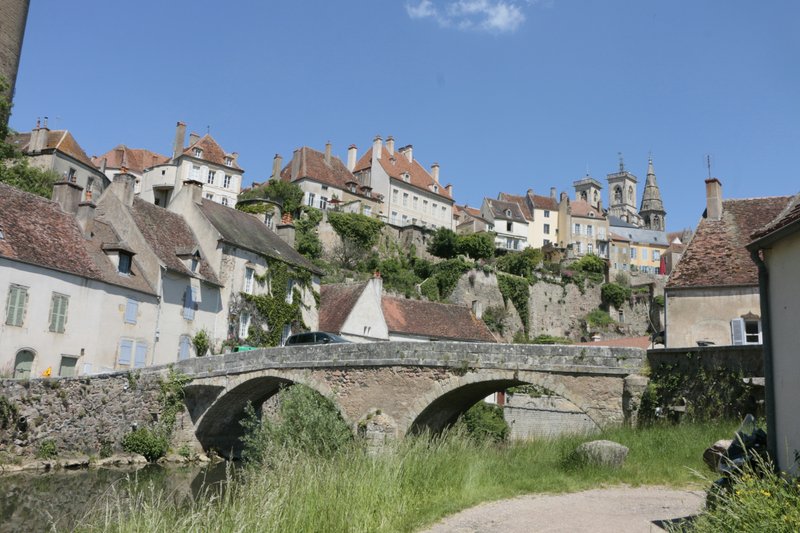
Explore FranceConques clings to a hillside above the Dourdou river, its slate roofs and half-timbered facades preserved almost unchanged since the eleventh century. The village exists because of Sainte-Foy Abbey, a Romanesque masterpiece on the Santiago de Compostela pilgrimage route, whose tympanum depicting the Last Judgment draws art historians and pilgrims alike. Beyond the abbey square, steep cobbled lanes wind past artisan workshops and stone houses converted into intimate guesthouses.
The dining scene reflects Aveyron's agricultural traditions: kitchens work with Aubrac beef, local cheeses like Laguiole and Roquefort, and wild mushrooms gathered from surrounding forests. Meals often unfold on terraces overlooking the valley, the abbey's tower visible above the rooftops. Evening brings remarkable stillness — the village empties of day visitors, leaving guests to wander the floodlit streets or linger over regional wines in converted cellar restaurants.



