A fortified stone château rises above a lake-dotted Charente estate, its towers guarding an impressive contemporary art collection within. Accommodations scatter across former servants' quarters and rentable farmhouses rather than cramming into medieval confines. The restored mill houses Le Moulin Spa, while Dyades restaurant showcases estate-grown organic produce alongside local cognacs. Rowboats drift on private lakes—a countryside retreat for families and contemplative travelers alike.
Where to Stay
A 19th-century cognac distillery reimagined by architect Didier Poignant, Chais Monnet channels industrial grandeur into contemporary luxury along the Charente riverbank. The one-Michelin-star Les Foudres occupies a cathedral-ceilinged chai lined with original oak foudres, while Le 1838 jazz bar in the former cooperage pours from Europe's largest cognac collection. A 700-square-metre spa with indoor-outdoor pool and a vegetated rooftop complete the picture.
A former cognac distillery reborn as a twelve-room retreat, La Nauve spreads across ten acres of landscaped gardens reaching the Charente river—guests can arrive at Cognac's old town by private boat via the estate's canal. The Belle Époque manor gleams with Murano glass chandeliers and gold brocade interiors, while Chef Anthony Carballo's Notes restaurant seats just twenty in an intimate Napoleon III salon. Ideal for wine-focused escapes with tastings and oenology courses on site.
Medieval walls encircle this meticulously restored 16th-century manor, once Grey Goose's private retreat and now available exclusively for buyouts. Fourteen individually appointed rooms look out over prestigious Cognac vineyards, their interiors layering original stone and timber with art-deco accents and French antiques. A heated outdoor pool, intimate cinema, and pétanque court complete the estate—ideal for families or corporate gatherings seeking total privacy in wine country.
Where to Eat
Century-old cognac barrel vaults now shelter one of the region's most compelling dining rooms. The Michelin-starred kitchen at Les Foudres draws deeply from Charente terroir—free-range poultry, market fish, Île de Ré potatoes—while the chef's vegetable work shows particular ambition, as in a deconstructed artichoke paired with Pineau des Charentes cream and miso sabayon. Concentrated sauces and exquisite contemporary tableware complete the refined experience.
Securing a table at Aumì requires planning weeks ahead—a testament to chef Mickaël Clautour's one-starred modern cuisine. Inside a serene house facing Puymoyen's church, the kitchen delivers dishes of disarming simplicity: chawanmushi-style crab flan brightened with grapefruit, confit trout layered with citrus, apple, and chestnut. Laura Legeay orchestrates the dining room with genuine warmth, while prices remain remarkably grounded for cooking this refined.
Within the converted stables of a 13th-century castle, chef Matthieu Pasgrimaud—shaped by kitchens at La Vague d'Or and Daniel Boulud—earns his Michelin star through intensely local cooking. The 2,500-acre estate supplies everything from Camus artichoke flowers to aromatic herbs, while his signature sturgeon loaf with Neuvic caviar anchors a menu that moves fluidly between garden-driven plates and refined classics.
Father-and-son duo Thierry and Julien Verrat helm this one-Michelin-starred table overlooking the Charente River, the Grand Marnier château visible from the terrace. Their farm-to-table cooking carries unexpected Japanese inflections—beechwood-smoked oysters, eel chawanmushi, chicken liver mousse enriched with XO cognac. Main courses like John Dory with Bigorre bacon and vegetable civet demonstrate technique subordinated entirely to vibrant, direct flavor.
A sixteenth-century mill deep within a Natura 2000-protected landscape provides the striking setting for chef Matthieu Brudo's one-starred table. The restored interior preserves original milling mechanisms amid contemporary glass and wood. Brudo's cooking draws directly from the terroir—Vitrac-Saint-Vincent pork with ponzu glaze, Limousin beef, Neuvic sturgeon, Royan-landed fish—matched by a thoughtful selection of natural and biodynamic wines.
Chef Anthony Carballo's two surprise tasting menus draw directly from the estate's potager, yielding dishes where tomato meets basil and burrata, or pollack arrives alongside courgette in delicate fish fumet. The dining room occupies an intimate salon within a meticulously restored 19th-century mansion, while those seeking informality can retreat to Brasserie des Flâneurs, housed in the property's original distillery.
Chef Benjamin Girard grew up a butcher's son on the Île d'Oléron yet turned his attention seaward, building a Bib Gourmand reputation for inventive fish cookery. His narrow dining room in Saintes delivers bold compositions—mackerel kissed by blowtorch alongside grilled watermelon, halibut lifted by langoustine foam and blackberries. An organic-leaning wine list and accessible pricing make this bistronomic address an easy detour from nearby Cognac.
Bib Gourmand recognition confirms the value proposition at this Angoulême contemporary bistro, where rustic French traditions receive thoughtful modern treatment. The kitchen executes classics—onion soup, beef tartare, chocolate mousse—alongside inventive touches like cromesquis of aligot with fresh Aubrac tome cheese. Desserts command attention, particularly an elaborate apple composition layering caramelised fruit, granny smith sorbet, and Madagascan vanilla pastry cream.
Father-son duo Thierry and Julien Verrat have shaped this Bib Gourmand address into a refined bistronomic destination along the Charente. The seasonal menu moves from semi-preserved duck foie gras with truffles to herb-flecked trout tartare crowned with caviar, while desserts incorporate local pineau. When weather permits, the terrace opens onto river views, complementing an interior that balances aristocratic elegance with genuine warmth.
Chef Vincent Coiquaud arrives at the market each morning, basket in hand, returning to his stripped-back dining room near the Abbaye aux Dames with whatever catches his eye. The cooking that follows is spontaneous, light, and firmly rooted in the Charentes—a Bib Gourmand approach that prizes regional ingredients over elaborate technique. Pleasant rooms upstairs allow guests to linger.
Frequently Asked Questions
When is the best time to visit Cognac for vineyard experiences?
+
Harvest season runs from late September through October, when the town comes alive with grape-picking activity and the maisons de cognac open their doors for special tastings. Spring offers mild weather for cycling through the Grande and Petite Champagne appellations, while winter provides a quieter atmosphere for cellar visits without crowds.
Can visitors tour the major cognac houses?
+
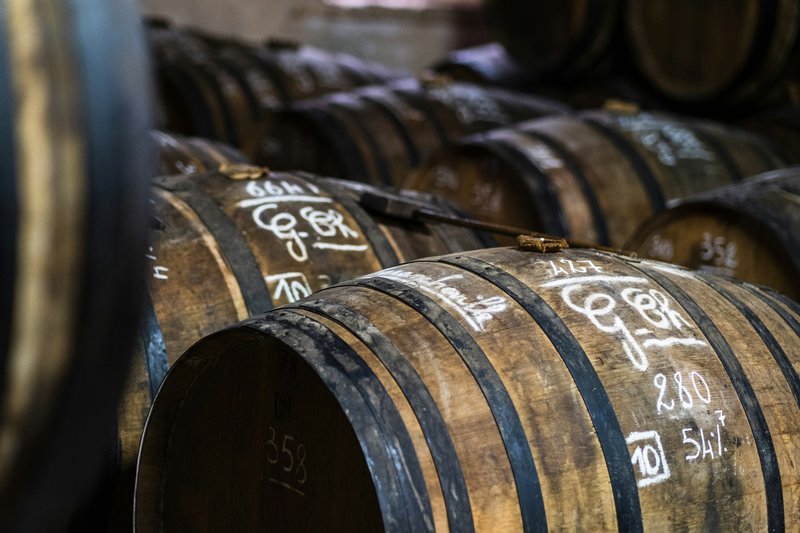
Most of the historic trading houses along the riverbanks offer guided tours of their production facilities and ageing cellars. Visits typically include explanations of the double-distillation process, walks through chai warehouses where barrels age for decades, and comparative tastings of different age designations from VS through XO and beyond.
What local specialties should visitors try in Cognac restaurants?
+
Charentais cuisine features heavily buttered preparations, grillons (potted pork), and mojhettes (white beans). Fresh oysters from Marennes-Oléron arrive daily, often served with local sausages. Many restaurants incorporate cognac into sauces for duck, beef, and especially the regional dessert tradition of flambéed crêpes and chocolate preparations enhanced with aged eaux-de-vie.
Nearby Destinations
Explore FranceThe Charente River curves through this small town in southwestern France, its banks lined with centuries-old trading houses whose names appear on bottles worldwide. The old town clusters around Place François Ier, where Renaissance facades and half-timbered merchants' houses recall the era when Dutch traders first distilled local wines into eau-de-vie. Walking the narrow streets between the river and the covered market hall, you encounter a particular atmosphere: the scent of evaporating spirit from the ageing cellars, the black fungus coating stone walls — a signature of towns where cognac matures in oak barrels.
Accommodation here tends toward the intimate rather than the grand. Several historic properties along the quays have been converted into refined guesthouses, while the surrounding Grande Champagne vineyards shelter estate stays where visitors wake to rows of ugni blanc vines. The dining scene reflects Charentais traditions — butter-rich preparations, local Marennes-Oléron oysters from the nearby coast, and everywhere the integration of cognac into sauces and desserts. Along Rue Grande and the streets near Saint-Léger church, bistros and wine bars serve the region's produce alongside flights of aged spirits.