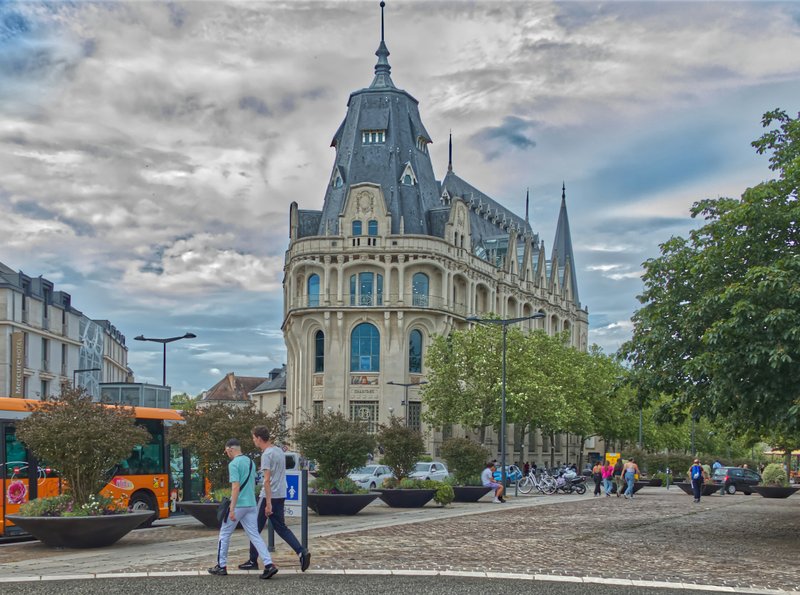
Inside Le Grand Monarque—a coaching inn recognized by Michelin since 1900—chef Thomas Parnaud practices nose-to-tail cooking rooted in Eure-et-Loir terroir. Perche pike arrives with local mushrooms and house-made fish garum; Racan chicken shares the plate with seasonal endive and kumquat. The Grand Marnier soufflé demonstrates impeccable classical technique, while a 3,000-bottle cellar emphasizes Loire Valley vintages.
From its terrace, the Gothic cathedral that Viollet-le-Duc deemed France's finest rises in full splendor—a backdrop befitting this convivial bistro and wine bar. The kitchen champions local farmers with robust classics: pâté en croûte, veal belly glazed in coffee reduction, and a theatrical floating island ladled tableside. Wines sourced from small-scale vignerons complete a menu rooted in terroir and tradition.
Stone floors and bare beams anchor this authentic 16th-century watermill on the banks of the Eure, where floor-to-ceiling windows frame the flowing river. The kitchen takes a contemporary approach to traditional cuisine—catfish wrapped in courgette cannelloni, slow-cooked pork cromesquis finished with popcorn crème. When weather permits, the riverside patio becomes the most coveted dining spot in Chartres.
Victor Hugo composed an ode within these walls in 1821, and the spirit of robust French tradition endures. The kitchen takes an unapologetically rustic approach, building hearty dishes around seasonal vegetables and aromatic herbs sourced locally. Each meal concludes with a warm soufflé, its flavor shifting with the seasons—a signature worth the short drive from Chartres.
Terra brings an unexpected slice of Italy to the Chartres suburbs, where an Italian chef and his South African pastry chef wife craft dishes rooted in authentic Italian tradition. The fiorentina-style cannelloni, generously filled with veal and spinach beneath a velvety house parmesan sauce, exemplifies their approach—honest, flavor-driven cooking served in a genuinely warm, unpretentious setting that rewards the short walk from the cathedral.
Frequently Asked Questions
When is the best time to visit Chartres for the light shows?
+
Chartres en Lumières runs from mid-April through mid-October, with illuminations beginning at nightfall (around 10pm in summer, earlier in spring and autumn). The cathedral and twenty-four other historic sites are lit nightly, and the experience is free. Summer weekends draw crowds; weeknight visits offer a more contemplative atmosphere.
What is pâté de Chartres and where can it be found?
+
Pâté de Chartres is a traditional game pie dating to the Renaissance, typically filled with duck, pheasant, or partridge in a decorative puff pastry shell. Local charcuteries and some restaurants prepare it, particularly during autumn hunting season. The Thursday and Saturday markets occasionally feature artisanal versions from regional producers.
How accessible is Chartres from Paris for a day trip?
+
Direct trains from Paris Montparnasse reach Chartres in 55 to 70 minutes, with departures throughout the day. The cathedral stands a ten-minute walk from the station. While the town rewards a full day—markets, the medieval lower town, the International Stained Glass Centre—visitors pressed for time can see the cathedral and old town in an afternoon before returning to Paris.
Nearby Destinations
Explore FranceThe twin spires of Chartres Cathedral have drawn travelers since the twelfth century, and the town that grew around this UNESCO masterpiece retains an intimate medieval scale. The old town descends in terraces toward the Eure River, where former tanneries and wash houses line cobbled lanes. Place Billard and the streets radiating from the cathedral's south portal hold the historic commercial quarter, while the lower town along the riverbanks offers quieter walks past half-timbered houses reflected in still water.
Dining here draws on the Beauce—France's wheat basket—and the game-rich forests of the Perche to the west. Local tables feature pâté de Chartres, a centuries-old game pie with a puff pastry crust, alongside produce from the Thursday and Saturday markets on Place des Halles. The town's proximity to Paris, just under an hour by train, makes it a practical base for exploring the Loire's northern edge, yet evenings remain unhurried. After dark, the cathedral and historic monuments glow with projected light installations from April through October, transforming stone facades into canvases.