


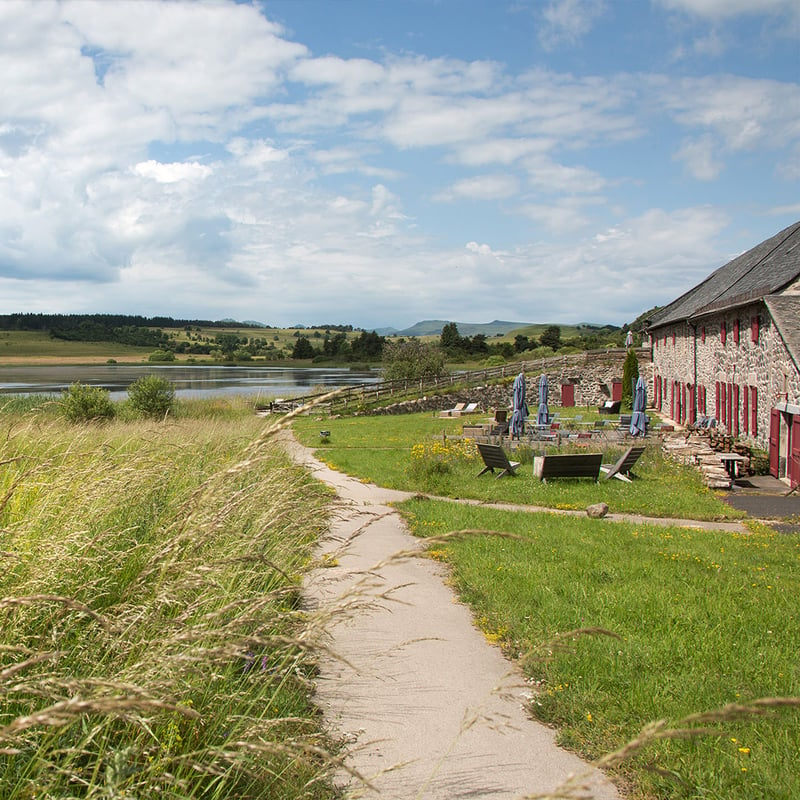
Solitude takes physical form at this restored farmhouse, the sole structure on Lac du Pêcher's forested banks within the Parc Naturel Régional des Volcans. Twelve rooms feature rustic-chic touches—tree-trunk bedside tables, alpaca throws, antique furnishings—while a spa with open-air Japanese bath and steam rooms encourages deceleration. A wooden chalet restaurant sources herbs from on-site greenhouses, and a screen-free policy makes this essential territory for digital-detox seekers.
Aurillac & Cantal Travel Guide: Best Hotels, Restaurants & Experiences 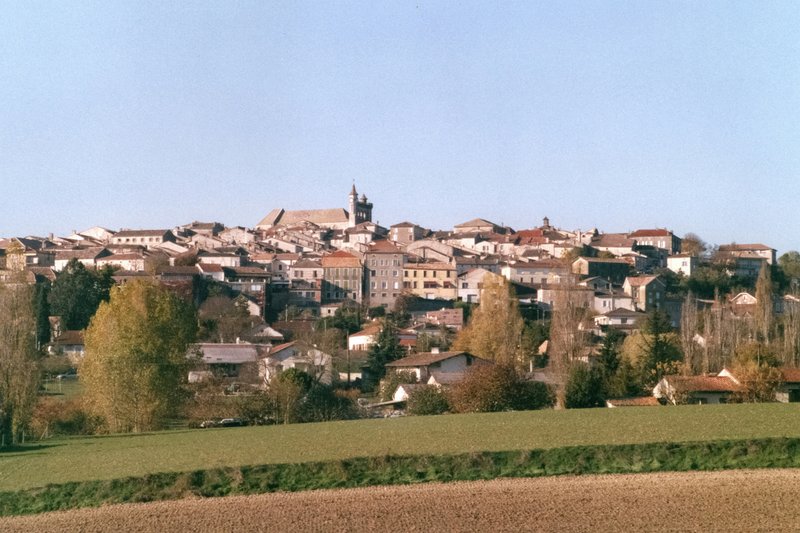
Explore Aurillac
Hotels (1)
Restaurants (6)
Where to Stay
Where to Eat

★ Michelin
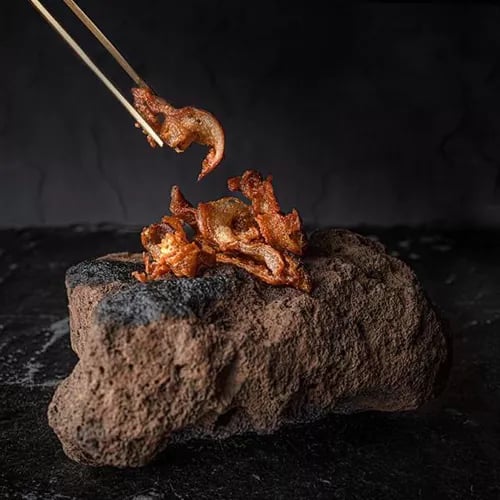
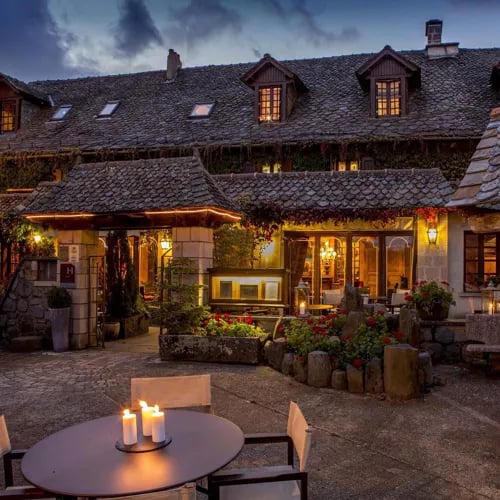
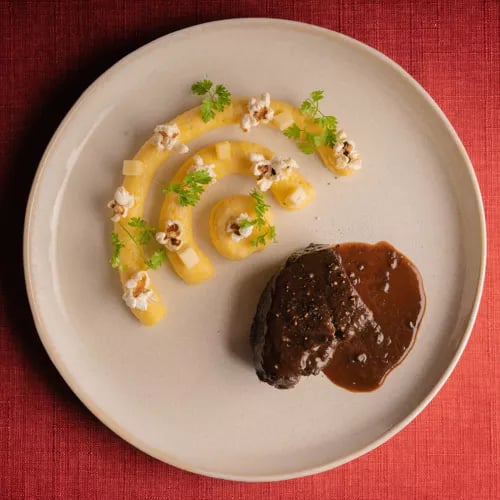
A medieval stone building with corner tower and spiral staircase houses this one-Michelin-starred table in the village of Marcolès. Chef Renaud Darmanin, shaped by kitchens at Paul Bocuse, Le Pré Catelan, and Le Parc des Eaux Vives, applies global spice techniques to Cantal's terroir—local chestnuts appear throughout his accomplished modern repertoire. The former café now draws gastronomes seeking refined regional cooking with cosmopolitan finesse.

Bib Gourmand
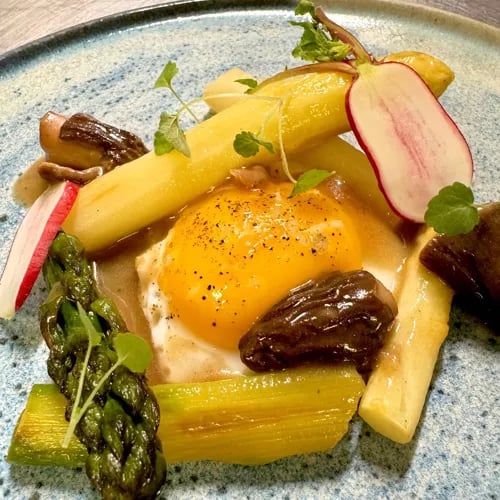
Six generations of the same family have shaped this mountain farmstead into a Bib Gourmand destination celebrating Cantal's pastoral heritage. The legendary truffade accompanies every plate, from calf's head carpaccio to veal with morels, while the cheese trolley stars Salers produced mere metres from the dining room. Tripoux prepared to the family's tomato-based recipe completes an authentically rooted table.

Bib Gourmand
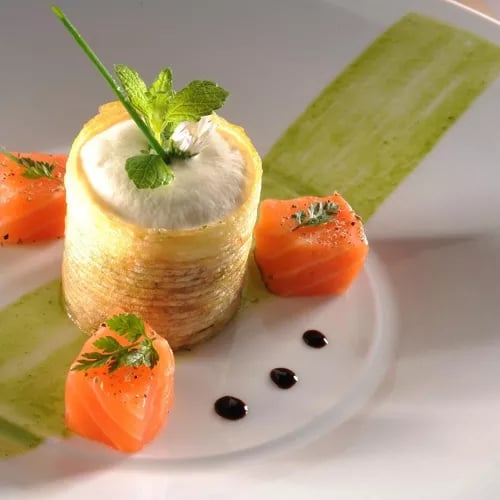
Chef Renaud Darmanin runs this Bib Gourmand bistro as the relaxed counterpart to his starred Auberge de la Tour, deep in Cantal's medieval village of Marcolès. The kitchen draws from a cottage garden and surrounding farms for volcano trout, local poultry, and Auvergne cheeses, translating regional terroir into polished modern plates. A vanilla-apricot millefeuille provides a signature finish worth the detour.

Michelin Selected
A former forge in Aurillac's old quarter now frames modern cuisine through soaring picture windows, its industrial bones softened by warm wood and polished concrete. The chef, shaped by years in Switzerland's Michelin-starred kitchens, returned to his wife's native Cantal to craft refined, contemporary plates. The atmosphere suits both business lunches and leisurely dinners exploring regional produce through a sophisticated lens.

Michelin Selected
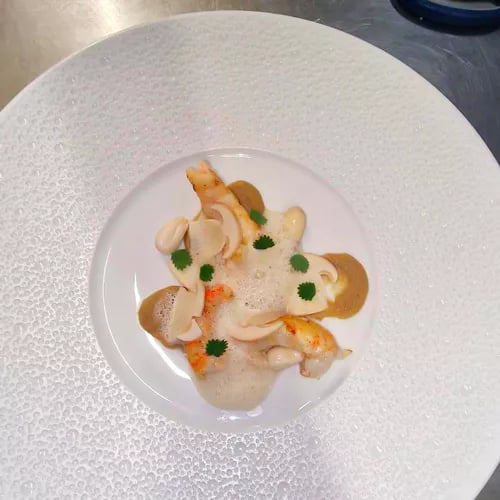
Amid the volcanic landscapes of Cantal, this pared-back modern dining room showcases furniture and tableware crafted by local artisans. The chef draws from a network of carefully selected farms, translating seasonal ingredients into dishes that reflect the terroir with precision. A knowledgeable sommelier guides wine pairings, completing an experience rooted in regional authenticity and understated refinement.

Michelin Selected
Tucked along a tranquil side street in Aurillac's centre, Les Quatre Saisons reflects chef Didier Guibert's commitment to honest, ingredient-driven cooking. His modern French plates showcase rigorously fresh produce, with beef and charcuterie sourced directly from his two brothers, both local butchers. The Michelin Plate holder delivers a straightforward yet refined dining experience suited to travelers seeking authentic Cantal flavours.
Frequently Asked Questions
When is the best time to visit Aurillac and Cantal?
+
Late spring through early autumn offers the most accessible conditions. The International Street Theatre Festival in mid-August brings exceptional energy to Aurillac, though accommodation books months ahead. Autumn delivers golden light across the volcanic peaks and the start of hunting season menus. Winter suits those seeking solitude and the hearty mountain cooking that defines the region.
What local dishes should visitors try in Cantal?
+
Truffade tops the list — sliced potatoes cooked with fresh Tomme cheese until elastic and golden. Aligot, the famous stretchy potato-and-cheese purée, originated nearby in Aubrac. Tripoux (stuffed sheep stomach parcels), potée auvergnate (a slow-cooked pork and cabbage stew), and pounti (a sweet-savoury meat terrine with prunes) represent the traditional repertoire. The local charcuterie, particularly dry-cured ham and saucisson, benefits from the mountain air.
How do you reach Aurillac without a car?
+
Aurillac has direct train connections from Paris-Austerlitz via Brive-la-Gaillarde, taking approximately six hours. The scenic SNCF line from Clermont-Ferrand crosses the Cézallier plateau. Aurillac's small airport receives seasonal flights from Paris-Orly. Once there, exploring the surrounding valleys and villages requires either a rental car or advance planning with limited local bus services.
Nearby Destinations
Explore France



Aurillac
The Cantal département occupies the heart of the Massif Central, its landscape shaped by one of Europe's largest stratovolcanoes. Aurillac, the préfecture, sits at 600 metres elevation where the Jordanne river meets the volcanic plateau. The town's medieval core around Place Saint-Géraud retains its covered market halls and Renaissance townhouses, while the surrounding valleys — Mandailles, Thiézac, Salers — climb toward summer pastures where Salers cattle graze. This is cheese country: Cantal AOP, Salers, Saint-Nectaire, and Bleu d'Auvergne all originate within an hour's drive.
The dining scene draws from this pastoral abundance. Restaurants work with tripoux, potée auvergnate, and truffade — the local potato-and-cheese dish that defines comfort eating here. Summer brings the International Street Theatre Festival, transforming Aurillac into an open-air stage each August. The volcanic terrain offers hiking across the Puy Mary and Plomb du Cantal peaks, while villages like Salers and Tournemire rank among France's most beautiful. Accommodation tends toward character properties: converted manor houses, family-run auberges, and restored farmsteads where the pace follows the seasons.