


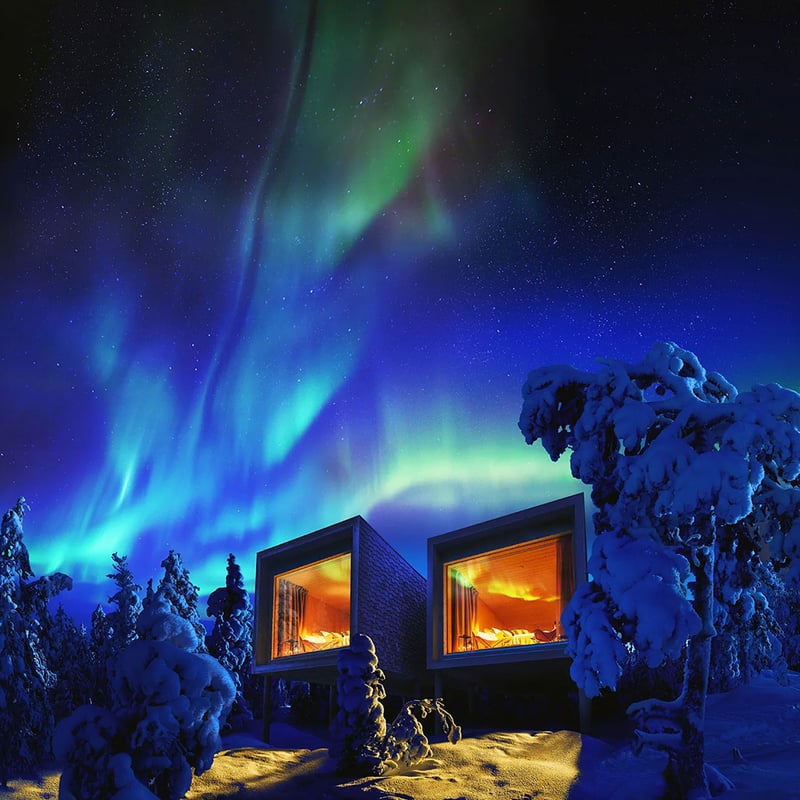
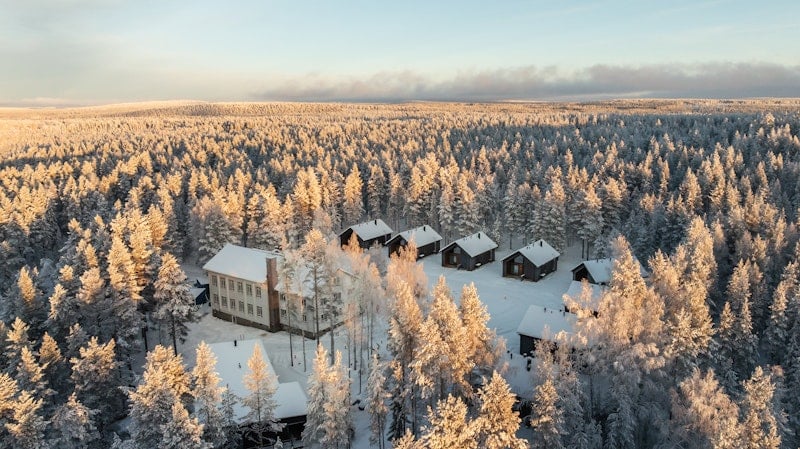
Geometric timber cabins climb a forested Arctic hillside, each oriented north with floor-to-ceiling glass walls positioned at the foot of the bed—a deliberate architectural choice for aurora viewing from under the covers. Private saunas warm guests between reindeer-sled excursions to nearby Santa Claus Village, while the restaurant plates Lapland game: moose, reindeer, and foraged Arctic ingredients. Ideal for families chasing winter magic.
Rovaniemi & Lapland Resorts Travel Guide: Best Hotels, Restaurants & Experiences 
Explore Rovaniemi
Hotels (4)

Glass-roofed igloos offer unobstructed views of the aurora borealis from heated comfort, while a historic stone villa accommodates up to fourteen guests with its own private sauna—ideal for multi-generational gatherings. The resort caters decisively to families: Santa Claus excursions, reindeer sleigh rides, ice fishing, and snowmobiling fill the days. Cosy cabins round out the accommodation options for those seeking a more traditional Lapland retreat.

Ten minutes from Rovaniemi yet enveloped in Arctic wilderness, this hilltop retreat delivers winter adventures from its doorstep—aurora hunts, snowmobile excursions, reindeer and husky safaris all launch without transfers. Families gravitate toward the Arctic Junior Suite or two-bedroom Lapland Suite, with Santa Claus Village a quick fifteen-minute drive. The snow-blanketed setting creates genuine remoteness despite proximity to the provincial capital.

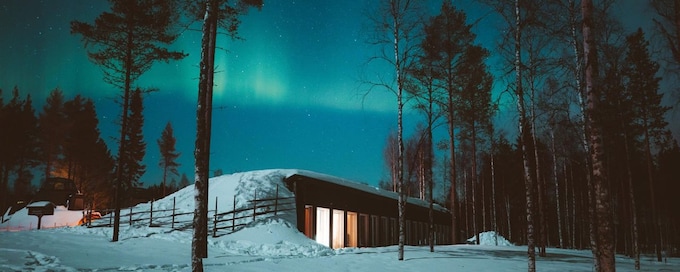
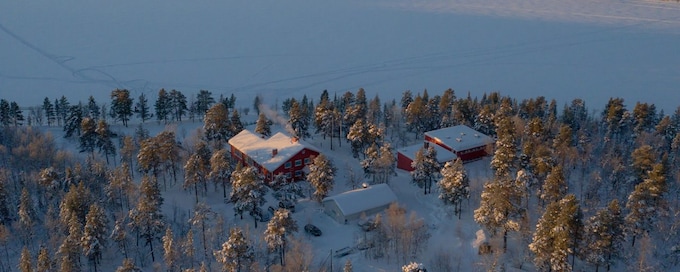
A former village school converted into a wilderness manor, Hotel Korpikartano occupies a remote lakeside setting in Finnish Lapland that draws aurora hunters and adventure-seekers alike. Owners Timo and Anne foster an atmosphere of genuine warmth, their young staff delivering hands-on hospitality. The varied activities programme appeals to families with older children, while small groups find the intimate scale ideal for immersive Arctic escapes.

Small Luxury Hotels
On the shores of Lake Norvajärvi, this intimate 15-room retreat occupies a converted schoolhouse and scattered A-frame cabins clad in log walls and natural stone. The Nordic Spa anchors the experience with thermal cycles, folklore-inspired sauna rituals, and ice-hole plunges into the frozen lake. Forest bathing, morning yoga, and evening sound baths complete the program—ideal for couples and wellness seekers chasing northern lights.
Frequently Asked Questions
When is the best time to see the northern lights in Finnish Lapland?
+
Aurora activity peaks between September and March, with the darkest conditions occurring during polar night from December through January. Clear skies are essential — properties in Saariselkä, Muotka, and other remote locations away from Rovaniemi's urban glow offer the strongest viewing conditions. Statistically, guests staying multiple nights have approximately an 80% chance of witnessing displays during peak season.
How do Lapland's wilderness lodges differ from Rovaniemi city hotels?
+
Rovaniemi city properties offer conventional amenities and easy access to Arktikum museum, Santa Claus Village, and airport connections. Wilderness lodges — scattered from Levi to Inari — prioritize seclusion, nature programming, and specialized accommodations like aurora cabins or lakeside saunas. Travel between remote properties typically requires private transfers of one to three hours, making multi-property itineraries logistically significant.
What traditional Sámi experiences are available to guests?
+
The indigenous Sámi population maintains living traditions across Lapland, with cultural centers concentrated around Inari and its Siida museum. Guests can arrange reindeer farm visits, traditional lávvu tent gatherings, and storytelling sessions. Some properties collaborate directly with Sámi families for duodji handicraft workshops and joik singing performances, though availability varies seasonally and by location.
Nearby Destinations
Explore Finland
Rovaniemi
The Arctic Circle cuts through Rovaniemi at latitude 66°, marking the gateway to Finnish Lapland's vast wilderness. The city center along the Kemijoki and Ounasjoki rivers was rebuilt after wartime destruction to Alvar Aalto's urban plan — his reindeer antler street layout remains visible from above. Beyond the compact downtown, properties scatter across hundreds of kilometers of boreal forest, from Saariselkä's fell country near Urho Kekkonen National Park to Levi's ski slopes and Muotka's remote lakeshores.
The region operates on two distinct rhythms. From December through March, polar night brings eighteen hours of darkness ideal for northern lights observation; properties position glass-roofed accommodations on north-facing slopes away from light pollution. Summer's midnight sun reverses everything — continuous daylight from late May through July enables hiking, fishing, and Sámi cultural experiences across the tundra. Local dining draws on Arctic ingredients: vendace roe, cloudberries, reindeer prepared in traditional and contemporary styles, often served in restaurants connected to wilderness properties rather than concentrated in any single village center.