


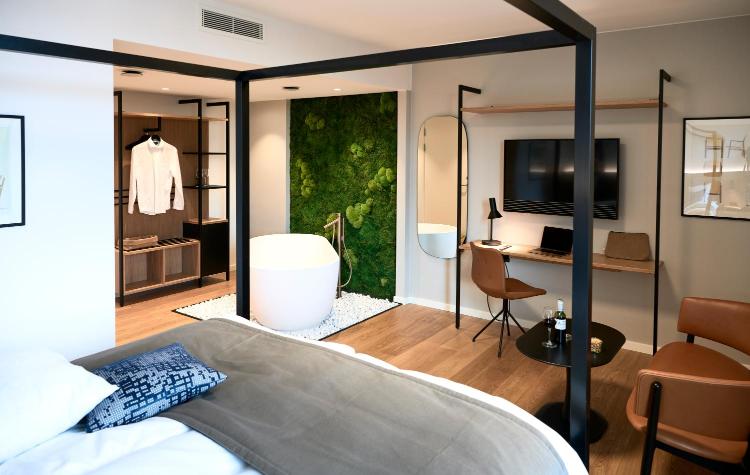
Scandinavian minimalism defines this design-conscious boutique hotel, where sixty-five uncluttered rooms showcase clean lines and restrained elegance. Recent renovations added a fitness room and bar to the amenities, while a handful of design-forward rooms and one four-poster suite appeal to aesthetes seeking something beyond standard accommodation. The peaceful residential setting, just minutes from the city center, suits couples and families alike—extra beds and cots available on request.
Aarhus Travel Guide: Best Hotels, Restaurants & Experiences 
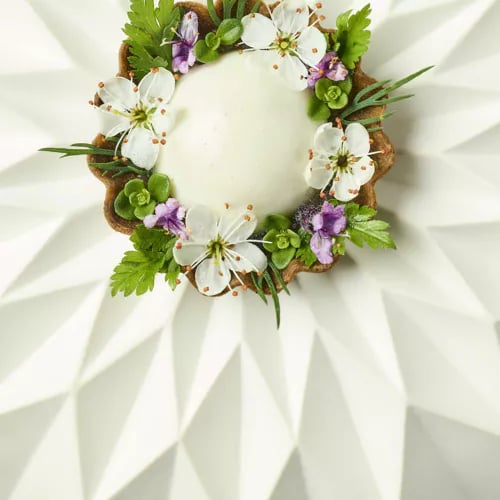
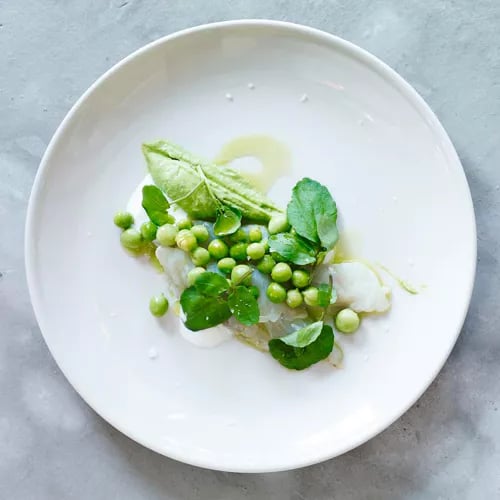
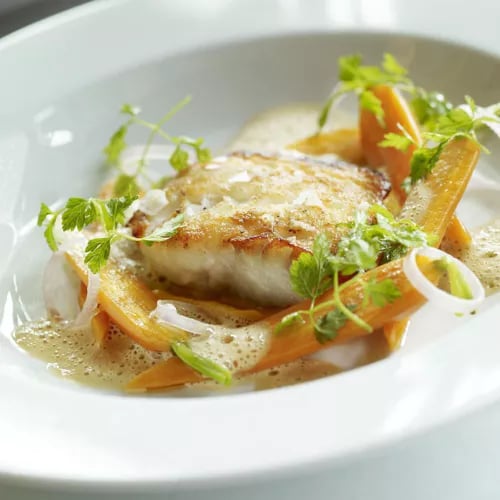
Explore Aarhus
Hotels (2)
Restaurants (5)
Where to Stay

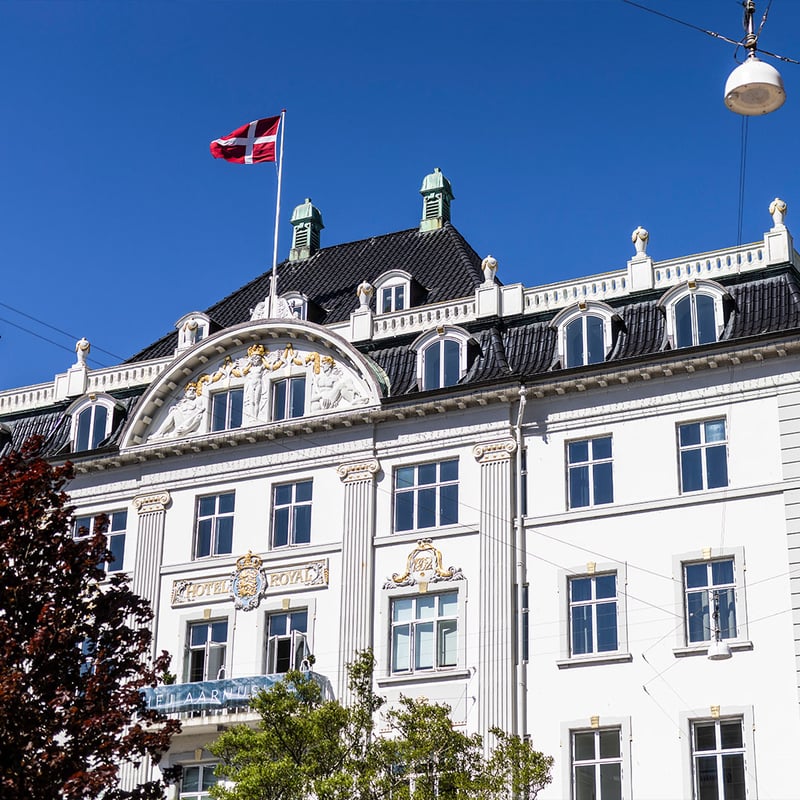
Operating for over 175 years on Store Torv, Hotel Royal delivers nineteenth-century grandeur through 74 rooms that pair period details with contemporary comfort. Queen's Garden shifts from morning breakfast service to evening cocktails and light plates, while a sauna provides post-exploration respite. Pet-friendly policies and central positioning near Aarhus's cultural institutions make this a practical base for extended stays.
Where to Eat

★★ Michelin
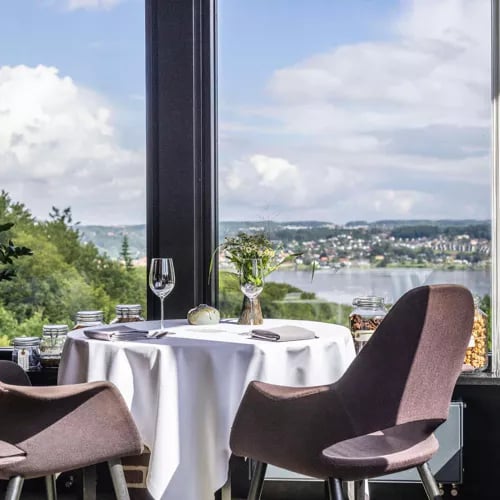
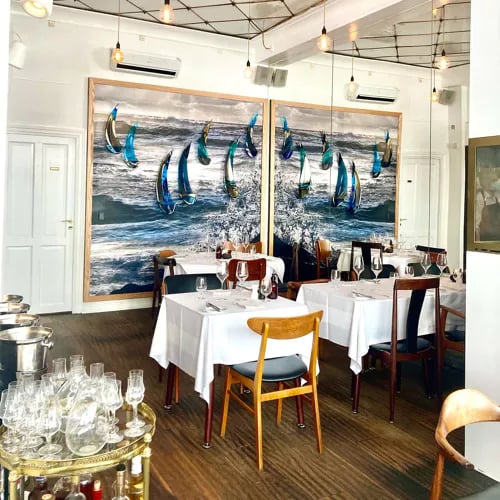
The former staff lodge of the Royal Palace now houses this two-Michelin-starred dining room, where floor-to-ceiling windows frame views across manicured gardens to the sea. Chef Wassim Hallal approaches French classics with deliberate playfulness, weaving in Danish influences while delivering punchy, precisely balanced flavours. The service team matches this spirit—knowledgeable yet warmly irreverent—making for evenings that feel both polished and genuinely fun.

★ Michelin· Green Star ●
Inside a Latin Quarter building that has served as both schoolhouse and dairy, Domestic pursues a singular mission: cooking exclusively with Danish ingredients. Fermentation jars line the dining room—green strawberries, chive flowers—while burnt oak tables and wool blankets create an atmosphere of Nordic restraint. The one-star kitchen holds a Green Star for sustainability, making this essential dining for travelers seeking Denmark's terroir distilled onto a single menu.

★ Michelin
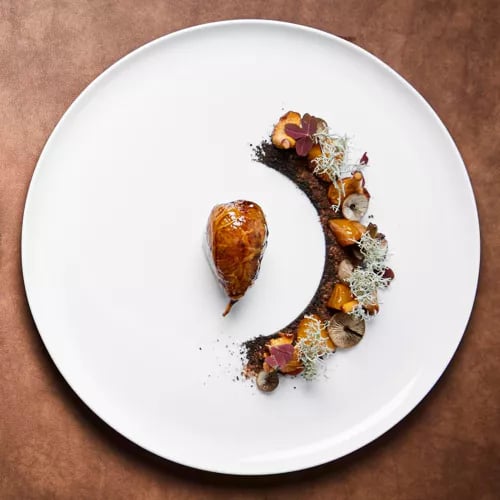
A 1911 villa in Risskov houses one of Aarhus's most refined dining rooms, where a glass-walled kitchen puts the culinary theater on full display. The one-starred kitchen draws from its own mini farm to craft dishes of precise complexity—grilled scallop with dashi and radish, wood pigeon paired with blackberry and pickled beetroot—balancing Nordic tradition with international technique in every meticulously composed plate.

★ Michelin· Green Star ●
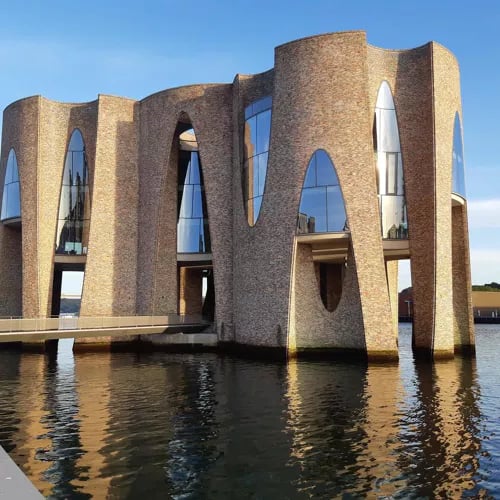
Rising directly from Vejle Fjord, LYST delivers a theatrical dining experience across multiple spaces within its architecturally striking structure. The multi-course progression begins at a glass-topped bar before moving to the aptly named Sail Room and beyond. Limfjord mussels and local trout anchor a creative modern menu that earned both a Michelin star and Green Star for sustainability—a destination for those seeking culinary ambition in an unforgettable setting.

★ Michelin
Perched on the eleventh floor of Pakhusene, this one-Michelin-starred dining room offers panoramic views of Aarhus harbour through floor-to-ceiling windows, with an open kitchen occupying the opposite wall. The tasting menu mines familiar Danish territory—brown shrimps with horseradish, red deer paired with plum and truffle—while desserts take unexpected turns, such as Jerusalem artichoke matched with kefir and apple.

★ Michelin
Chef Michael Nørtoft's one-starred table occupies a striking waterfront position in Kanalbyen, Fredericia's regenerated industrial quarter, with views stretching across the Lillebælt Strait. The cooking demonstrates considerable technical precision beneath deliberately understated titles—'squid, potatoes and elderflower' reveals layers of complexity upon tasting. Thoughtful wine and fresh juice pairings accompany each course in the contemporary, design-forward dining room.

Michelin Selected· Green Star ●
An elevated wooden cabin suspended among the trees of Munkebjerg Forest, Treetop delivers creative cuisine through panoramic windows that blur the boundary between plate and landscape. An open fire anchors the intimate dining room while chefs forage herbs, berries, and flowers from the surrounding woodland. The kitchen's commitment to sustainable gastronomy earned a Michelin Green Star—a fitting honour for cooking so deeply rooted in its terrain.

Bib Gourmand
Beside the canal in Aarhus's historic quarter, this Bib Gourmand sibling to Michelin-starred Substans occupies a relaxed dining room of exposed brick and raw floors. The kitchen channels organic Danish produce through a French lens—cured hake brightened with capers, spice cake layered with figs and caramel. Summer brings pavement tables along the waterside, making it an easygoing yet accomplished choice for value-driven gastronomy.

Bib Gourmand
A 19th-century townhouse on a cobbled courtyard near Aarhus Harbour provides the handsome backdrop for this Bib Gourmand address. The kitchen builds on Danish produce with unmistakable French technique—roasted cod arrives Basquaise-style with clam sauce, gentle curry, and Granny Smith—while duck confit comes with crispy potatoes and bigarade sauce. An exclusively French cellar rounds out the quietly accomplished offering.

Michelin Selected
Classic French bistro cooking finds a Danish accent at this warm Aarhus address, where bouillabaisse and Paris-Brest arrive crafted from local Nordic produce. The kitchen moves between lighter midday plates—a proper croque madame among them—and evening service offering either à la carte or a four-course seasonal surprise menu. A carefully assembled Burgundy list complements the Gallic spirit throughout.
Frequently Asked Questions
Which Aarhus neighborhoods are best for walking and exploring?
+
The Latin Quarter (Latinerkvarteret) offers the most concentrated wandering, with narrow streets lined with independent boutiques and cafés radiating from the cathedral. Frederiksbjerg, south of the center, rewards exploration along Jægergårdsgade and M.P. Bruuns Gade with design shops and specialty food stores. For waterfront strolls, Aarhus Ø—the former industrial harbor—features contemporary architecture, swimming facilities, and restaurants built into shipping containers and warehouse conversions.
What is the dining culture like in Aarhus compared to Copenhagen?
+
Aarhus shares Copenhagen's commitment to New Nordic cooking—local sourcing, seasonal menus, minimal waste—but delivers it with less ceremony and lower prices. Reservations at top restaurants are easier to secure, and the line between casual and fine dining blurs more readily. The city's student population (one in eight residents attends university) keeps prices democratic, and many acclaimed chefs run relaxed counter-service concepts alongside their tasting-menu venues.
When is the best time to visit Aarhus?
+
Late May through September brings long Scandinavian days, outdoor dining along the canal, and swimming at the harbor baths. The Aarhus Festival in late August fills the city with performances and street events. Winter appeals to those drawn to hygge culture—candlelit restaurants, design museums, and the Christmas market that transforms the open-air Old Town museum. Shoulder seasons (April-May, September-October) offer mild weather and thinner crowds at ARoS and Moesgaard Museum.
Nearby Destinations
Explore Denmark



Aarhus
Denmark's second city curves around a natural harbor on the Jutland peninsula, its Latin Quarter cobblestones giving way to the converted warehouses of the Aarhus Ø waterfront district. The 13th-century cathedral anchors the old town, while ARoS art museum—crowned by Olafur Eliasson's rainbow panorama—has become the city's contemporary beacon. Neighborhoods shift character block by block: Frederiksbjerg draws young families to its independent shops, Trøjborg maintains its village-within-a-city calm, and the university parks stretch west in ribbons of green.
The dining scene reflects a city that hosted European Capital of Culture in 2017 and never looked back. New Nordic principles run deep here—foraging, fermentation, seasonal restraint—but kitchens interpret them with less formality than Copenhagen. Along Jægergårdsgade, natural wine bars neighbor specialty coffee roasters. The Aarhus Street Food hall fills a former bus garage with global vendors, while white-tablecloth restaurants concentrate near the river and harbor. Hotels range from converted merchant houses to architect-designed waterfront towers, many incorporating the clean-lined Danish design sensibility that defines the city's visual identity.