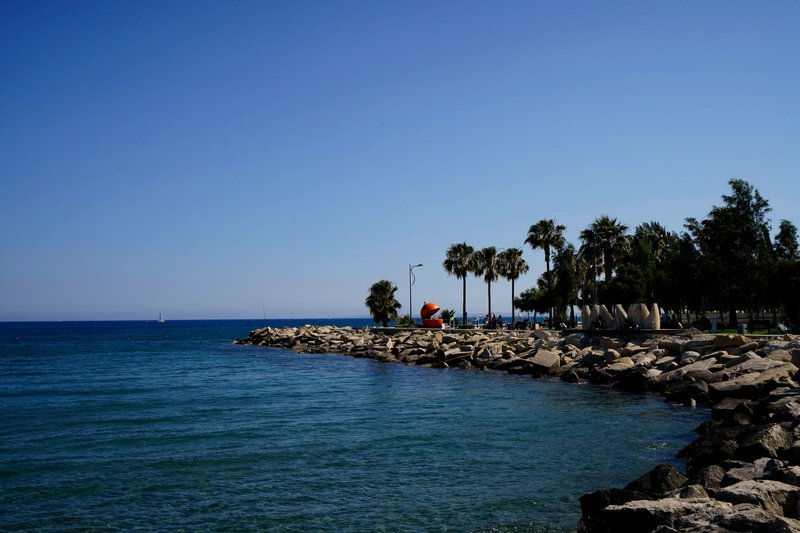
Built above the ruins of ancient Amathus, Amara commands the Limassol coastline with 207 rooms offering unobstructed Mediterranean panoramas from private balconies. The 32,000-square-foot spa incorporates fragments of the city's ancient walls, while dining spans Giorgio Locatelli's Italian cuisine and Matsuhisa's Japanese-Peruvian plates. An infinity pool edges the beach; select suites add private plunge pools for complete seclusion.
Spread across 30 beachfront acres, Parklane delivers a Mediterranean resort experience calibrated for both celebration and calm. Adults retreat to the seawater Vithos Pool and private cabanas while children disappear into a 3,000-square-meter castle complex with waterslides and pirate ships. Kalloni Spa, Cyprus' sole thalassotherapy center, draws on local botanicals; evenings shift between Nammos' Mediterranean plates and La Petite Maison's Riviera-inspired cuisine.
Architect Vakis Hadjikyriacou spent years reconstructing four abandoned stone houses in the Troodos foothill village of Lofou, employing local craftsmen and traditional building methods. The fifteen suites feature vaulted ceilings and open fireplaces, while standalone properties like the Schoolmaster's House offer private courtyards and full kitchens for families. AGRINO restaurant serves Cypriot cuisine on a rooftop terrace above the turquoise pool, and a spa provides Turkish steam bath and sauna.
Tucked away from Limassol's busier stretches, the Alasia Hotel cultivates an atmosphere of understated refinement. Interiors strike a balance between elegance and domestic warmth, while the spa delivers such profound tranquility that departure feels reluctant. Gourmet dining rounds out the experience, making this intimate property ideal for travelers seeking a polished retreat without the impersonal scale of larger resorts.
Lemon trees and winding garden pathways lead to a contemporary resort where lavish interiors meet genuine family focus. The Pelican Kids Club offers structured games and workshops for ages four to twelve, while a sheltered beach and waterslide pool keep younger guests entertained. Family rooms come equipped with child-sized robes and slippers, and a full-service spa provides respite for parents seeking quiet indulgence.
Grey marble columns rise through the grand atrium of this seafront address, setting a tone of polished grandeur that extends to immaculately appointed rooms. Five restaurants cater to varied palates, while the spa delivers treatments lavish enough to justify an entire afternoon. Families find rare depth here: a kindergarten, kids' club with organized activities, teen sports competitions, a dedicated children's pool, and babysitting on request.
Families gravitate toward this five-star property on Amathus Avenue for its comprehensive approach to multigenerational travel. The Happy Bee Kid's Club keeps younger guests occupied with daily workshops and games, while teenagers retreat to the Eden Garden Games room. Parents find respite at Serenity Spa or linger over meals at garden-set restaurants mere steps from the beach. Suites accommodate bunk beds and cots; children's menus appear throughout.
Sprawling along Limassol's shoreline, The Royal Apollonia delivers five-star polish within a decidedly family-friendly framework. Lagoon-style pools wind through the grounds, while a dedicated children's club offers workshops, games, and its own outdoor pool. Adults retreat to a well-equipped spa for quieter indulgence. The result is a resort that satisfies both generations without compromising refinement.
Frequently Asked Questions
What are the main hotel areas in Limassol?
+
Properties cluster along two corridors: the beachfront strip extending east from the old port toward Amathus, favored by resort-style hotels with direct sea access, and the compact old town around the castle, where boutique properties occupy converted historic buildings near restaurants and cafés.
When is the best season to visit Limassol?
+
The swimming season runs May through October, with July and August bringing peak heat and crowds. September offers warm seas combined with the annual Wine Festival. Spring months suit those preferring to explore the Troodos mountain villages and archaeological sites without summer temperatures.
How does Limassol connect to Cyprus's wine heritage?
+
The Commandaria wine region lies in the foothills directly north of the city, producing a sweet dessert wine documented since the Crusades. Several producers offer tastings, and the indigenous Xynisteri and Mavro grape varieties appear on most serious local wine lists. The September wine festival in the Municipal Gardens celebrates this connection annually.
Cyprus's southern coast unfolds along Limassol with a particular rhythm — morning swimmers at Lady's Mile beach, afternoon wanderers through the lanes of the old Turkish quarter, evening crowds spilling onto the Molos seafront promenade. The city grew around its medieval castle, where Richard the Lionheart married Berengaria of Navarre in 1191, and today the restored carob warehouses of the old port have become galleries and wine bars. Between the ancient ruins of Amathus to the east and the British-era architecture of the city center, neighborhoods shift character block by block.
The hotel scene stretches along two distinct axes: the beach strip running east toward Amathus, where large resort properties face the sea, and the compact old town, where smaller properties occupy renovated merchants' houses. Local wine culture shapes the dining landscape — the Commandaria appellation, claimed to be the world's oldest named wine still in production, originates in villages just north of the city. September brings the Limassol Wine Festival to the Municipal Gardens, a tradition since 1961. The café quarter around Saripolou Square maintains the Greek Cypriot habit of extended morning coffee, while the marina development has introduced contemporary restaurants and cocktail bars to the waterfront.