


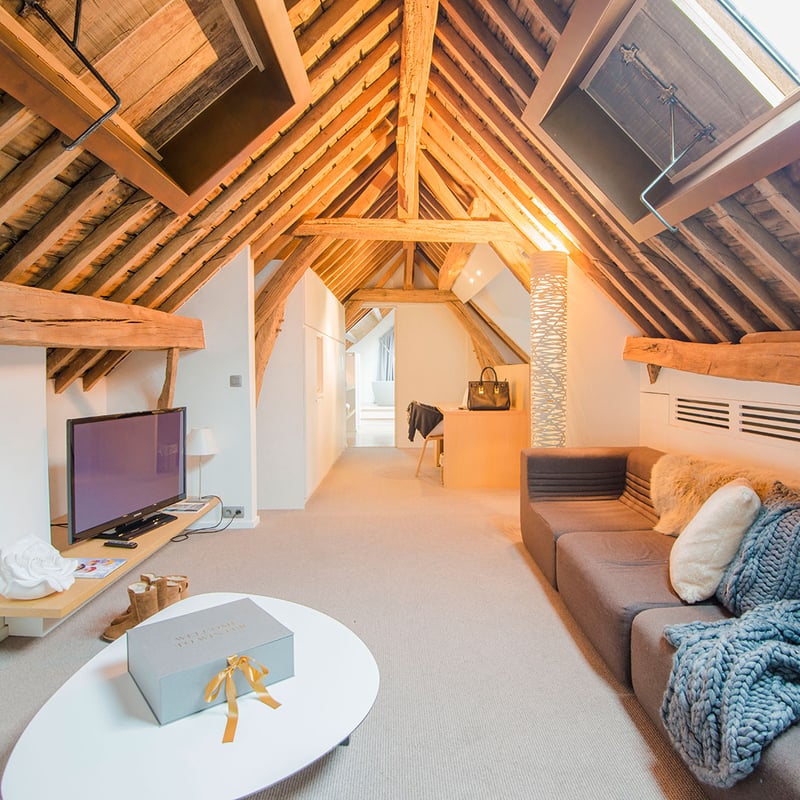
A restored stone farmhouse perched within Namur's walled citadel, this adults-only retreat holds just six suites—four duplexes—each outfitted with Hästens beds and individual character, from timbered ceilings to deep soaking tubs. The Duplex Vauban channels hunting-lodge warmth. Below, a spa with hammam, jacuzzi, and both indoor and seasonal outdoor pools awaits, while private dining serves groups of up to sixteen.
Namur Travel Guide: Best Hotels, Restaurants & Experiences 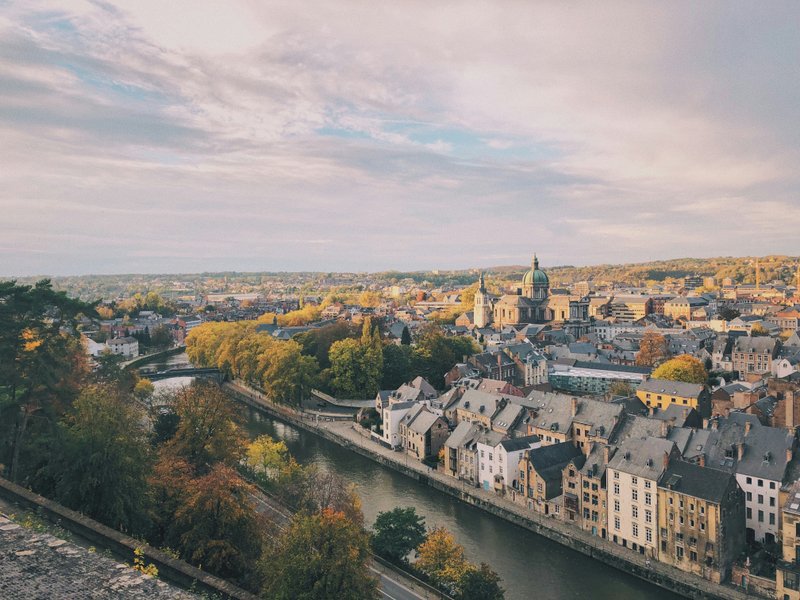
Explore Namur
Hotels (1)
Restaurants (8)
Where to Stay
Where to Eat

★★ Michelin
A converted 17th-century mill provides the romantic backdrop for Chef Pierre Résimont's two-Michelin-starred kitchen, where the gentle sound of running water accompanies meals on a verdant terrace. His cooking favors depth over theatrics—pigeon breast and foie gras baked into golden-crusted pie, cauliflower given unexpected dimension through miso and curry, rich truffle-laced jus delivering uncompromising flavor. Guest rooms allow the evening to linger.

★★ Michelin· Green Star ●
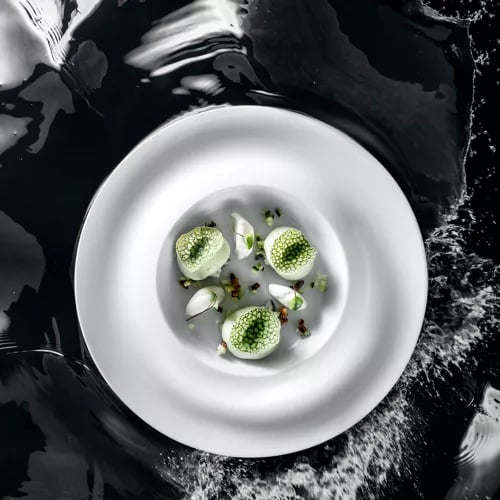
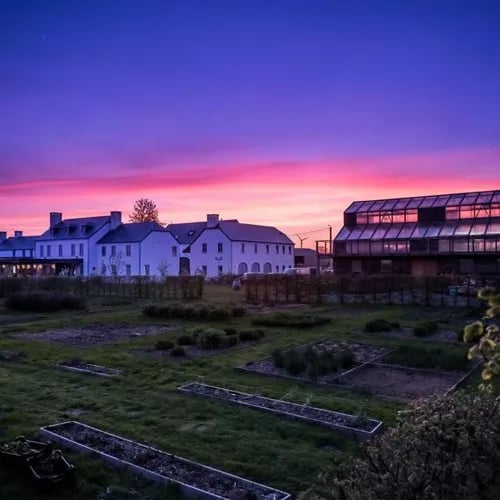
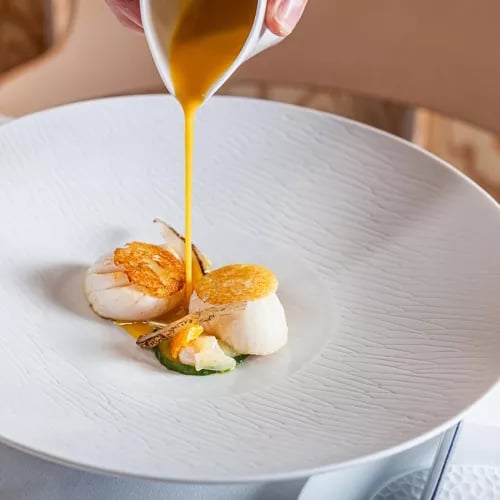
A restored square farmstead in the Namur countryside houses chef San Degeimbre's two-Michelin-starred table, where Korean heritage infuses every dish with fermentation and bright acidity. Courses arrive as compositions of small plates—Dieppe scallops lifted by intense roe and citrus, corn noodles swirled in umami-rich XO emulsion. The chef's sprawling kitchen garden supplies inspiration, while dedicated water and beverage pairings complete the sensory arc.

★ Michelin
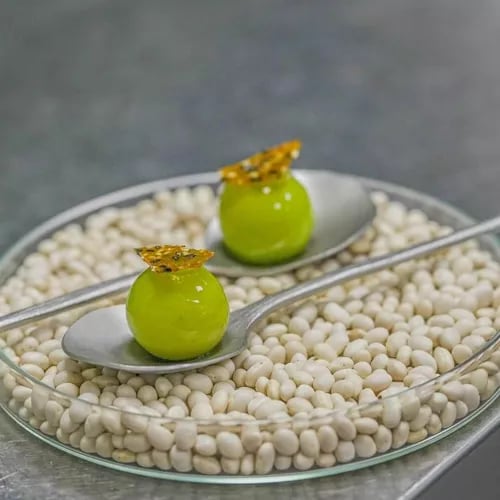
Chef Charles-Edouard Jeandrain orchestrates a one-starred repertoire where playful invention meets classical precision, each plate exploring contrasting textures—witness his paella-style rice crowned with stuffed txistorra squid and deep-fried mussels, balanced by smoked paprika purée. An in-house cheese cave ages select varieties to perfection, while the sommelier steers diners toward unexpected bottles. Flexible menus allow mixing courses across tasting options.

★ Michelin
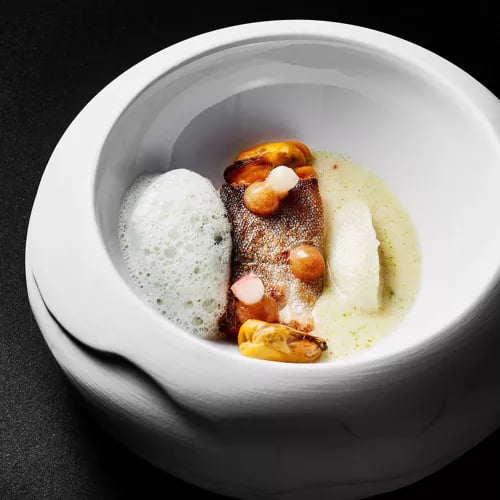
A striking architectural statement in concrete, wood, and glass rises from the Belgian countryside, housing chef Pierre Massin's one-Michelin-starred kitchen. His cooking balances creative ambition with restraint—signature slow-baked whiting arrives with smoked eel and a ponzu-laced jus that delivers precise, layered flavors without excess. The minimalist dining room, touched with Scandinavian warmth, pairs well with the sommelier's astute wine selections.

★ Michelin
A 150-year-old Ardennes barn, its weathered stone walls now framing contemporary design, houses chef Grégory Gillain's one-star kitchen. His braised sweetbread has earned signature status through impeccable classical technique, while dishes like confit pork belly arrive with bitter kohlrabi, chanterelles, and a chilled sorrel sauce. Inventive accompaniments—acidic, spicy, unctuous—punctuate plates rooted in regional abundance rather than decorative pretense.

★ Michelin
On the banks of the Meuse, chef Curtis Maquet has revived a Namur culinary landmark with one-starred modern cuisine rooted in the precision he honed at Table de Maxime. His Miéral duck breast arrives medium rare, skin crackling beneath a sweet Vadouvan jus, accompanied by a shepherd's pie of braised leg and cloud-light potato. A splendid wine list completes the riverside experience.

★ Michelin
Chef Julien Malaisse has built his one-starred kitchen on fierce loyalty to Walloon producers—Nicolas Debry's beef, Régis's vegetables—coaxing depth from each ingredient through patient, powerful sauces. His signature Jerusalem artichoke ravioli, salt-crusted and finished with clementine jelly and Cantillon beer sabayon, captures this unorthodox precision. A veteran sommelier orchestrates unexpected pairings, while the log fire and open kitchen foster an atmosphere of dining at a friend's home.

★ Michelin
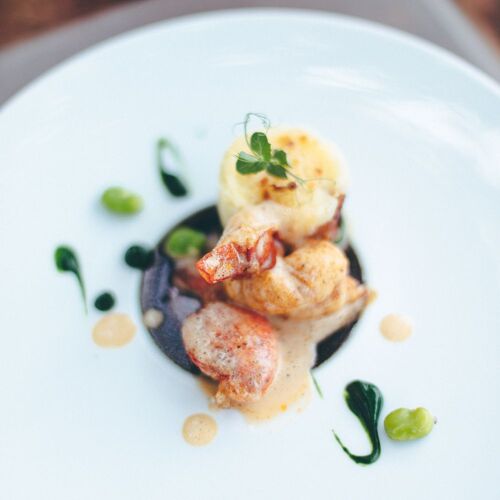
A 17th-century tannery in the Namur countryside provides the romantic backdrop for chef Raphaël Adam's generous one-starred table. His cooking favors bold, contrasting flavors—lobster paired with crispy sweetbread, spring vegetables, and a tarragon-lobster béarnaise left tableside for liberal pouring. Ten varieties of house-made bread, an extensive cheese selection, and fresh pastries with coffee complete an experience offering remarkable value for this level of refinement.

Michelin Selected· Green Star ●
Chef Ludovic Vanackere's converted farmhouse operates on a radical seasonal logic: the kitchen garden visible through floor-to-ceiling windows dictates the surprise menu. Vegetables dominate, with winter bringing inventive cabbage preparations layered with fermented vegetables, peanuts, and satay-spiced sauces. A Michelin Green Star holder, this Namur-region table delivers regional cooking with genuine conviction and bold, concentrated flavors.

Michelin Selected· Green Star ●
A converted Ernage farmstead with raw, brutalist interiors houses Stefan Jacobs' Michelin Green Star kitchen. The chef's cottage garden and local market gardeners supply produce for inventive plates—cucumbers might appear alongside mussels and briny seaweed, or courgettes find their way into a textured veggie burger with smoky gravy. An unconventional wine list amplifies each dish's playful nuances.
Frequently Asked Questions
What neighborhoods should I explore in Namur?
+
The old town between Place d'Armes and the riverfront offers the most atmospheric walking, with particular interest around Rue de l'Ange for its 17th-century architecture. The Jambes quarter across the Meuse provides excellent Citadel views, while the Corbeil area near the university has a younger, more bohemian character with independent bookshops and vinyl bars.
When is the best time to visit Namur?
+
Late spring through early autumn offers the most pleasant conditions for exploring the Citadel and riverside paths. September brings the Fêtes de Wallonie with street performances and traditional jousting on stilts — a uniquely Namurois tradition dating to 1411. Winter appeals to those interested in the Ardennes culinary season, when game menus dominate local restaurants.
How does Namur compare to other Belgian cities for dining?
+
The city benefits from its position as Wallonia's administrative center, supporting accomplished restaurants that cater to both government entertaining and weekend visitors from Brussels, just an hour away. The emphasis here leans toward French-influenced Walloon cuisine rather than Flemish traditions, with particular strength in river fish preparations and regional charcuterie.
Nearby Destinations
Explore Belgium


Namur
At the confluence of the Sambre and Meuse rivers, Namur unfolds beneath its imposing Citadel — one of Europe's largest fortifications, which has shaped the city's strategic importance since Roman times. The old town clusters along the riverbanks, its 18th-century townhouses and baroque churches reflecting centuries of Burgundian, Spanish, and Austrian rule. The Place d'Armes anchors daily life, while the Rue de Fer draws evening strollers past galleries and antique dealers.
Wallonia's capital maintains a quieter rhythm than its Flemish counterparts. Local tables favor game from the Ardennes forests, Meuse trout, and the regional specialty of escargots prepared with butter and fresh herbs. The café terraces along the Sambre fill with university students and government officials alike, creating an atmosphere that mixes provincial ease with administrative purpose. Spring brings the famous Wallonia Festival, when the Citadel grounds transform into open-air concert venues.