


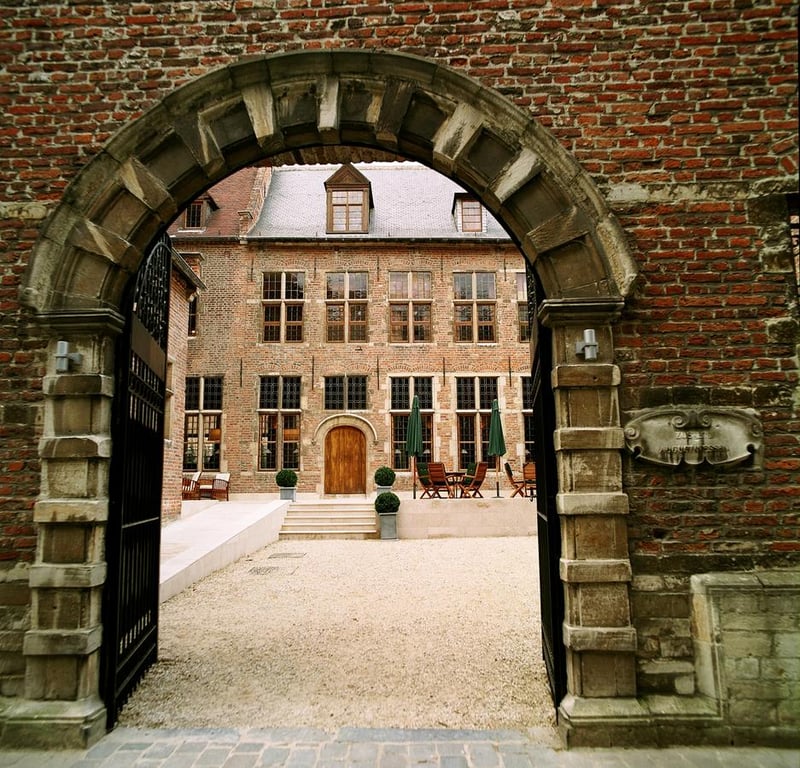
A sixteenth-century Dominican convent turned intimate retreat, Martin's Klooster preserves its monastic heritage through latticed windows, stained glass, and working fireplaces scattered across 40 individually appointed rooms—two occupying the original stone towers. The interior courtyard and pedestrianized cobblestone setting amplify the contemplative atmosphere, while Leuven's Old Market and the Stella Artois brewery, brewing since 1366, lie within easy walking distance.
Leuven Travel Guide: Best Hotels, Restaurants & Experiences 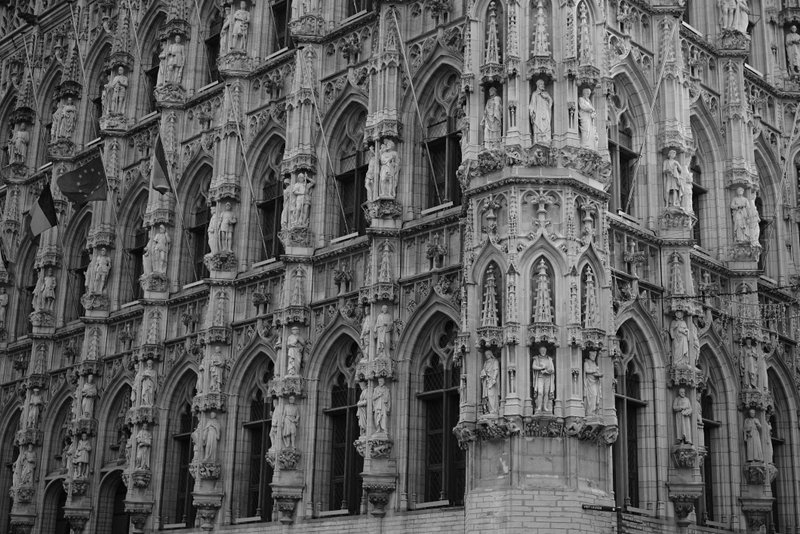
Explore Leuven
Hotels (1)
Restaurants (8)
Where to Stay

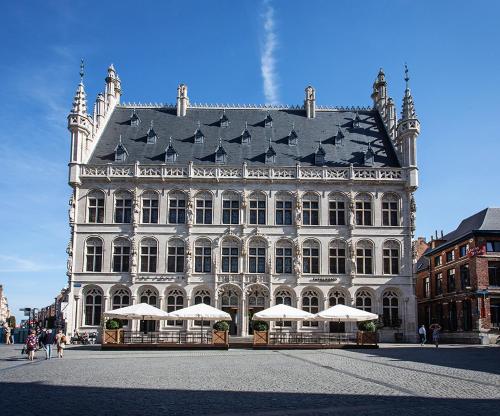
A grand heritage building dominates Leuven's Grote Markt, its façade concealing 62 rooms where period character meets contemporary refinement. The Fourth delivers a fully non-smoking environment, on-site restaurant and bar, plus a garden—an unexpected retreat steps from the medieval square. Suited to travelers seeking architectural gravitas and central convenience without sacrificing creature comforts.
Where to Eat

★ Michelin
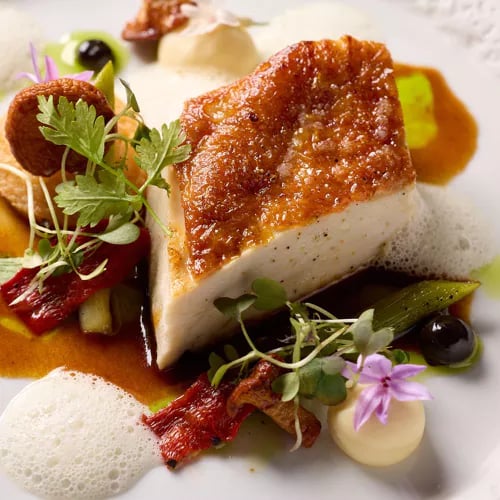
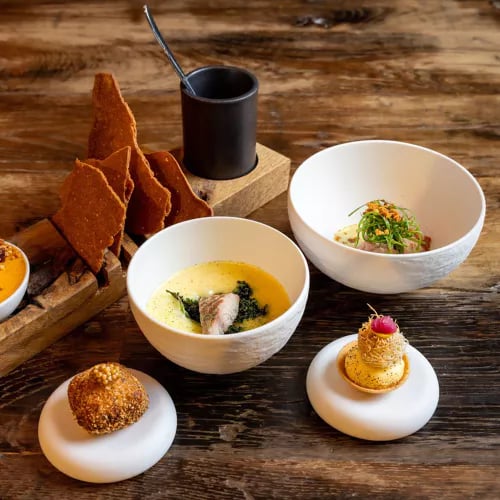
Brothers Laurent and Vincent Folmer helm this one-Michelin-starred table in Heverlee, where Mediterranean foundations meet audacious creativity. A breast of guinea fowl might arrive alongside artichoke hearts, pistachio, and whispers of vernal grass and hay—precision cooking that plays boldly with fruit acidity and obscure herbs. The Scandinavian-inspired dining room feels luminous and calm; a sommelier's surprising pairings complete the four- to six-course experience.

★ Michelin
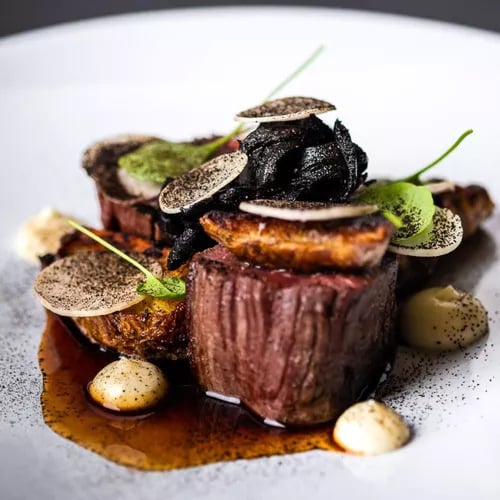
Chef Philippe Heylen practises a rigorous minimalism at this one-Michelin-starred table, stripping each plate to its essential components. A rib steak arrives lifted by sesame and caramelised honey; yellow beetroot gains complexity through tonburi, mango jelly, and hispi cabbage kimchi finished with Roscoff onion beurre blanc. The intimate townhouse dining room, its walls clad in cork, opens onto a walled rear patio for warm-weather meals.

★ Michelin
Chef Niels Brants earned his Michelin star through intricate, vegetable-forward cooking that defies convention. His signature Barbary duck arrives with sweet-spicy lacquered skin alongside earthy beetroot and black sesame cream—a study in bold contrasts. The grand town house setting pairs contemporary elegance with a working vegetable garden, where patio tables offer prime summer dining. Sommelier Luc Roelandt's pairings complete the experience.

★ Michelin
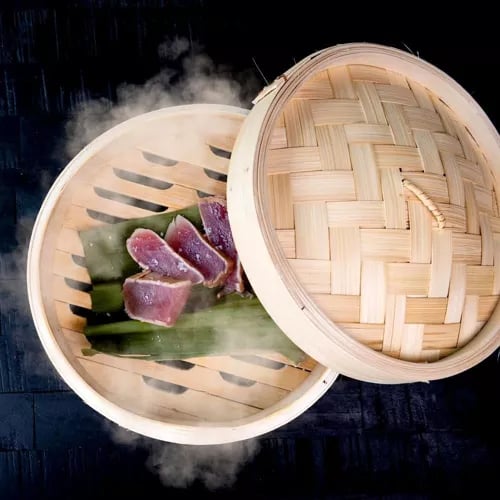
Chef Gilles Melchior brings Japanese precision to classical French technique inside a striking industrial space where exposed brick meets Scandinavian minimalism. His one-starred kitchen delivers farm-to-table dishes of remarkable clarity: Balfegó tuna with dashi, finger lime and nori mayonnaise; duck breast alongside salt-crusted celeriac and hoisin-laced jus. A thoughtfully assembled wine list ensures each pairing lands with equal conviction.

Michelin Selected
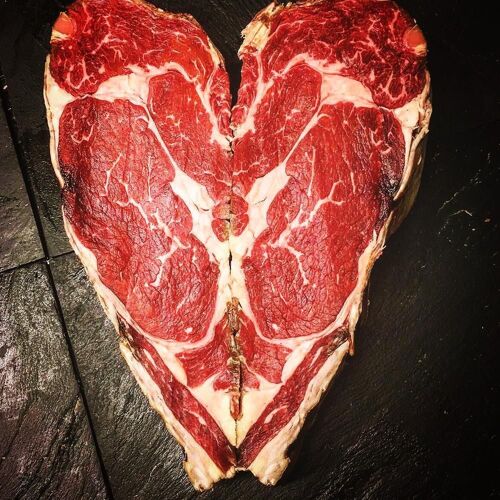
A meat sommelier guides diners through prime cuts sourced from the renowned Rondou butchers at this traditional Leuven bistro, where a refrigerated display case and lobster tank signal the kitchen's commitment to quality. The approach favors precise execution over fussy technique—expect impeccably cooked proteins, house-made sauces, and endless baskets of crisp frites. The Bordeaux-heavy wine list delivers exceptional value.

Michelin Selected
Convento operates as both wine shop and bistro-lounge, letting diners browse the collection before settling into the relaxed dining room. Sommeliers guide selections with genuine enthusiasm, charging minimal corkage to encourage exploration. The kitchen maintains a stripped-back philosophy: market-driven dishes built around quality meats and grills, with vegetables given equal billing. A Michelin Plate holder serving honest, flavour-forward cooking.

Michelin Selected
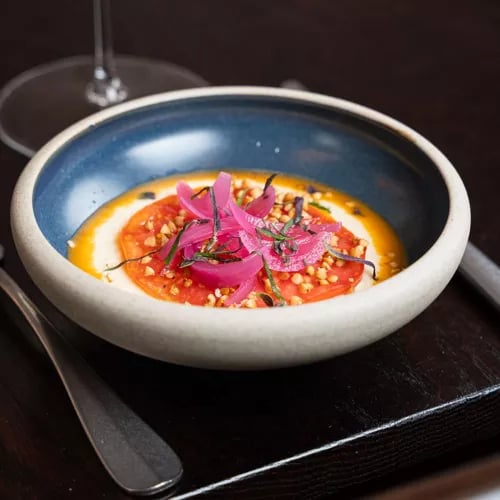
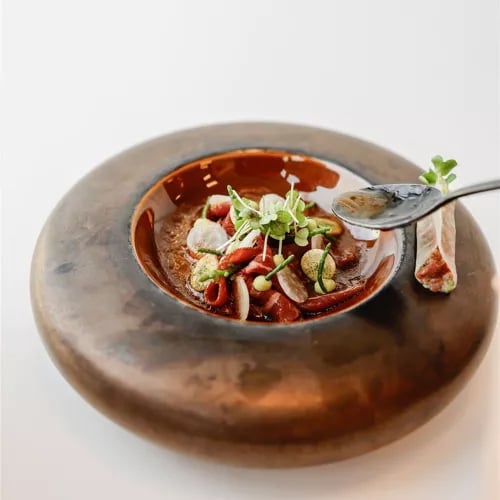
A converted farmstead in the countryside near Leuven, Dante pairs rustic charm with a kitchen that roams freely between French foundations and Asian accents. Chef Sven's signature steak tartare arrives with layered tomato textures, olive ice cream, and whisper-thin Secreto 07, while swordfish gets the ponzu-furikake treatment. The menu shifts regularly, rewarding repeat visits with fresh discoveries.

Michelin Selected
A converted historic farmstead gazing across Chateau Vandeurzen's vineyards, De Victorie pairs estate wines with French-inflected contemporary cooking beneath a dramatic sculptural installation of birds in flight. The kitchen favors bold combinations—sweetbreads with truffles, pheasant finished with Fine champagne cognac—while bright notes of kalamansi, yuzu, and wine vinegar cut through richer preparations with precision.

Michelin Selected
Leuven locals regularly escape to this light-filled Heverlee address for Italian cooking that prizes inventive juxtapositions—smoked eel paired with chilled celeriac consommé and verjuice, or confit celeriac layered with goat's cheese cream and foie gras. The art-adorned dining room opens onto a terrace ideal for warm evenings, while a curated Gueuze selection offers a distinctly Belgian aperitif before the meal unfolds.
Frequently Asked Questions
Which neighborhoods in Leuven offer the best dining options?
+
The Oude Markt concentrates brasseries and beer cafés in a single square, while the streets around Sint-Donatuspark suit quieter dinners. The Vaartkom district along the canal features converted warehouses with contemporary kitchens and waterfront terraces.
What traditional Flemish dishes should visitors try in Leuven?
+
Local menus feature stoofvlees (beer-braised beef), witloof gratin wrapped in ham and béchamel, grey shrimp croquettes, and abbey-cheese dishes. Many kitchens pair these classics with regional beers brewed within a few kilometres of the city centre.
Is Leuven's Grand Béguinage worth visiting?
+
Absolutely. This UNESCO-listed enclave dates to the thirteenth century and remains one of the best-preserved béguinages in Flanders. Its cobbled lanes, brick gables, and quiet gardens offer a striking contrast to the lively university quarter just minutes away.
Nearby Destinations
Explore Belgium



Leuven
Leuven wraps around one of Europe's most spectacular Gothic town halls, its three-tiered façade studded with 236 statues overlooking a medieval square. The Oude Markt—a curving ribbon of café terraces—claims one of the longest bar strips on the continent, while the university quarter threads through sixteenth-century colleges and courtyards. Stella Artois still brews at the edge of town, and the aroma of malt occasionally drifts across the canal paths.
Beyond the student energy, quieter pockets reveal the city's depth: the Grand Béguinage's brick lanes and whitewashed cottages, the botanical gardens behind the library, the Vaartkom warehouse district reinvented with galleries and waterside restaurants. Dining leans toward hearty Flemish tradition—stoofvlees, witloof gratin, abbey-cheese croquettes—but younger chefs along the Dijle have introduced lighter, vegetable-forward menus. For evening drinks, authentic lambic and gueuze pour in candlelit estaminets tucked off the main squares.