


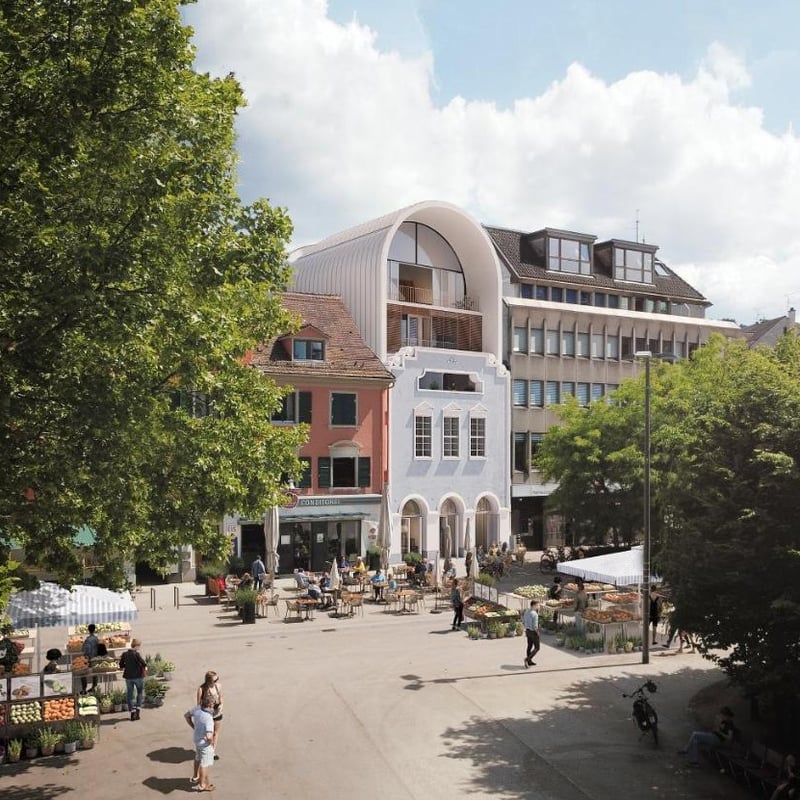
Herzog & de Meuron's architectural signature defines this eight-room boutique property on Bregenz's Kornmarktplatz, where contemporary minimalism meets genuine warmth. The Swiss architects crafted interiors that feel both modern and lived-in—a rare balance in design-forward hotels. Breakfast in the salon fuels exploration of lakeside Bregenz, with central attractions steps from the door. Ideal for architecture enthusiasts seeking intimacy over scale.
Bregenz & Lake Constance Travel Guide: Best Hotels, Restaurants & Experiences 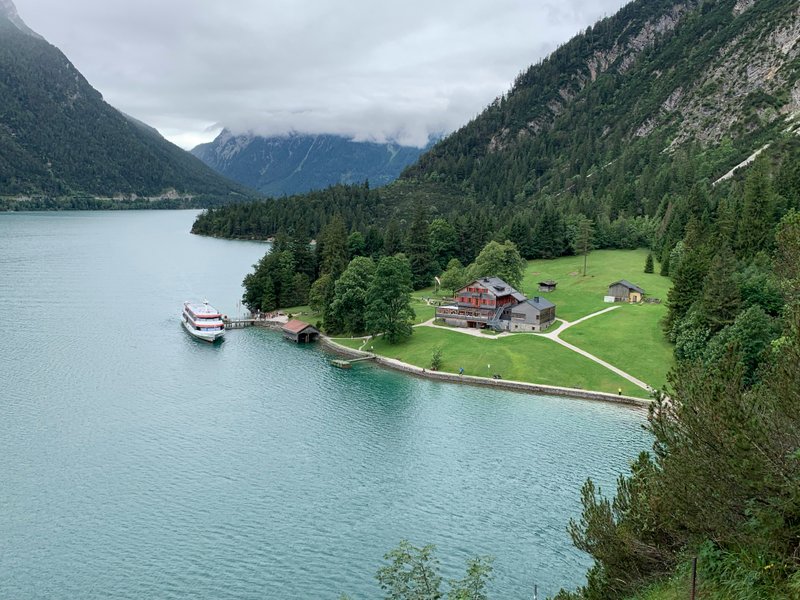
Explore Bregenz Bodensee
Restaurants (4)
Where to Stay
Where to Eat

★ Michelin
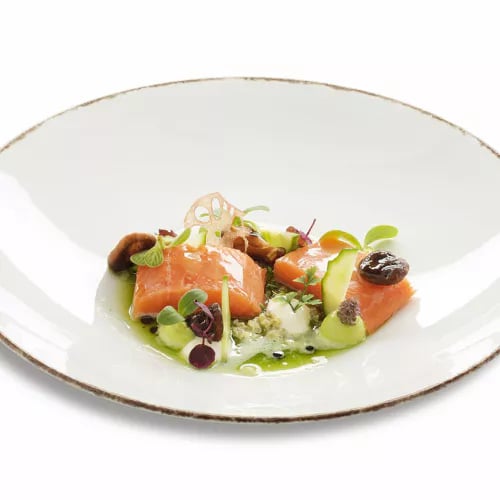
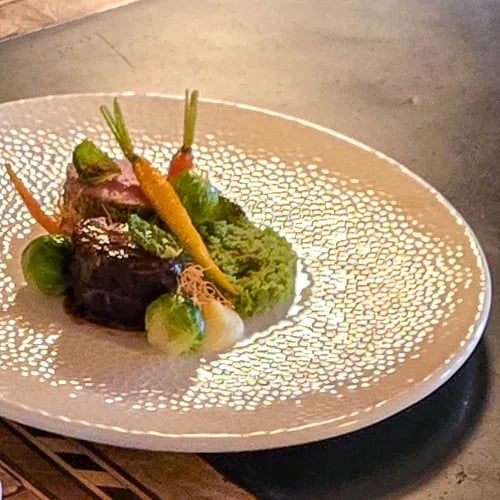
Chef Thomas Scheucher strips classical cuisine to its essence, letting impeccable ingredients speak with quiet authority. Lake Constance whitefish arrives with aubergine relish and olive gnocchi in lime-basil broth, while vitello tonnato showcases Andelsbuch veal beneath delicate caper blossoms. Floor-to-ceiling windows frame the garden, where summer dining unfolds on a leafy terrace. One Michelin star confirms the restrained brilliance.

★ Michelin
A Michelin-starred family establishment near Lake Constance, Mangold offers contemporary regional cooking across distinctly different settings—the rustic warmth of the Stube, Mediterranean notes in Rossini, or the glass-wrapped brightness of the Wintergarten. Summer guests gravitate toward the secluded inner courtyard. The kitchen's international inflections keep the menu lively while honoring local produce.

Michelin Selected
Chef Dominic Mayer's surprise-only menus at this historic house near Basilika Rankweil demand trust—diners choose course count, nothing else. The kitchen works with fierce commitment to leaf-to-root and nose-to-tail principles, coaxing full flavor from every ingredient. When weather permits, the plane-tree-shaded terrace becomes the preferred setting, while Thursday through Saturday brings tapas service in the atmospheric vaulted cellar below.

Michelin Selected
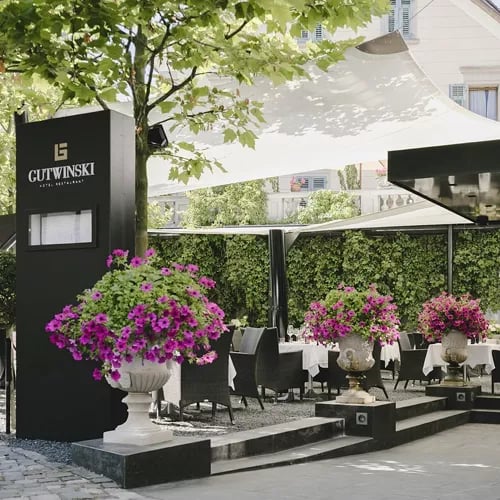
Inside a boutique hotel in Feldkirch's historic quarter, Gutwinski delivers refined classic cuisine with pronounced regional identity. The kitchen sources first-rate local ingredients—Ramschwag char, for instance, arrives pan-fried alongside grilled baby leek and beluga lentil risotto, finished with honey-lime foam. An Austrian-focused wine list of some 250 labels complements the polished, internationally inflected cooking that earned its Michelin Plate recognition.

Michelin Selected
Dark timber beams and low ceilings give this 17th-century Dornbirn address an intimate, almost tavern-like warmth. The kitchen takes a market-driven approach to Austrian classics—veal tartare arrives alongside pan-fried sweetbreads, each plate grounded in impeccable produce. A 600-bottle cellar spanning Austrian, Italian, and French labels rewards oenophiles, while the summer terrace offers a quieter counterpoint to the convivial interior.

Michelin Selected
A centuries-old building in Bregenz's pedestrianised old town houses this beloved café-brasserie, where mussels reign as the signature dish alongside beef tartare, risotto, and coq au vin. The owners' years in Belgium surface in the beer selection, adding continental depth to the understated interior. A front terrace offers prime people-watching in the historic centre.

Michelin Selected
A 1639 Rhine Valley landmark on Dornbirn's Marktplatz, this sensitively restored building houses five handsome period dining rooms where farm-to-table Austrian cooking takes on Mediterranean accents. The kitchen delivers impeccable Wiener schnitzel and crisp fried chicken alongside more inventive plates—pickled char brightened with rhubarb and wild garlic vinaigrette. A parasol-shaded terrace extends the convivial atmosphere outdoors.
Frequently Asked Questions
When is the Bregenz Festival and how does it affect hotel availability?
+
The Bregenzer Festspiele runs from mid-July through mid-August, featuring opera performances on the world's largest floating stage. During this period, accommodations throughout the region book months in advance, and rates increase significantly. Visitors planning trips during festival season should reserve at least six months ahead.
What is the local fish specialty of Lake Constance?
+
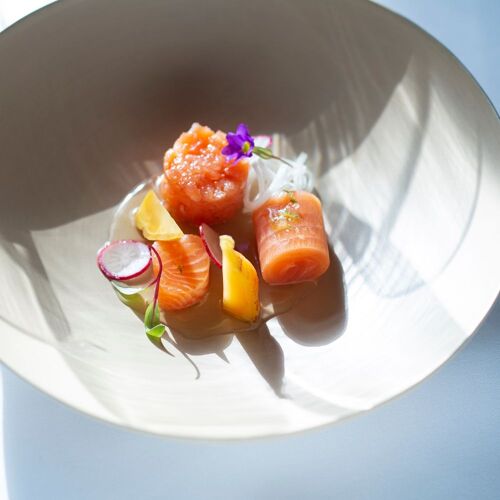
Bodensee felchen, a delicate freshwater whitefish native to the lake, dominates local menus. Traditionally prepared meunière-style or smoked, it remains the signature dish of the region. Local fishermen still operate from harbors in Bregenz and neighboring communities, supplying restaurants with daily catches.
How does Bregenz connect to other Lake Constance destinations?
+
Regular ferry and catamaran services link Bregenz to Konstanz, Lindau, and Friedrichshafen across the German and Swiss shores. The Pfänderbahn cable car ascends to 1,064 meters for Alpine hiking, while the Bregenzerwald region lies twenty minutes inland by car, offering traditional villages and renowned cheese dairies.
Nearby Destinations
Explore Austria



Bregenz Bodensee
Bregenz occupies a privileged position where the Alps tumble into Central Europe's third-largest lake. The compact Oberstadt, with its half-timbered houses and medieval Martinsturm, gives way to the lakeside promenade where the famous floating stage hosts summer opera. The town functions as Austria's western gateway, sharing the Bodensee with Germany and Switzerland — a geography that shapes both its cosmopolitan outlook and its culinary influences.
The dining scene draws heavily from the lake: Bodensee felchen (whitefish) appears on menus from casual Gasthäuser to refined establishments along the Seepromenade. Vorarlberg's distinct regional identity — more Alemannic than Austrian — manifests in local specialties like Käsknöpfle and Riebel. Beyond the town center, the Pfänder mountain offers panoramic dining with views across to the Swiss Alps, while the surrounding villages of the Bregenzerwald contribute their own cheese-making traditions to the regional table.