Pinus nigra, a black pine that survives only at Andorra's highest elevations, lines nearly every surface of this LEED-certified boutique property in Escaldes-Engordany. The seventeen rooms channel Japanese minimalism—low-slung beds, suspended copper lamps, sliding wood-and-glass panels—while suites add freestanding tubs overlooking the main square. A Finnish sauna, water circuit, and indoor pool reward skiers returning from nearby slopes.
Where to Stay
Where to Eat
Two minutes from Caldea spa, Beç delivers contemporary cuisine rooted in Catalan tradition within a warm, wood-lined dining room with open kitchen views. The menu pivots on bold preparations: aged beef loin tartare, pigs' trotters stuffed with Sant Carles prawns, and seasonal plates like Maresme peas paired with wild mushrooms and white prawns. A polished option for visitors exploring Escaldes-Engordany.
Frequently Asked Questions
When is the best season to visit Andorra la Vella?
+
December through March brings ski crowds to nearby Grandvalira and Vallnord resorts, keeping the capital lively after dark. Summer months offer hiking access to high-altitude trails and pleasant temperatures for exploring the old quarter on foot. Shoulder seasons — May and October — see fewer visitors and better rates.
Is Andorra la Vella suitable for non-skiers in winter?
+
The Caldea spa complex provides a compelling alternative to slopes, with thermal lagoons, saunas, and treatment rooms open year-round. The Barri Antic's museums and churches reward slow exploration, and duty-free shopping along Avinguda Meritxell remains the capital's primary draw regardless of season.
What local dishes should visitors try in Andorra la Vella?
+
Trinxat — a pan-fried cake of cabbage and potato — appears on most traditional menus. Escudella, a hearty meat and vegetable stew, suits the mountain climate. Embotits (cured sausages) and local cheeses from Pyrenean farms feature prominently, often served with pa amb tomàquet, bread rubbed with ripe tomato and olive oil.
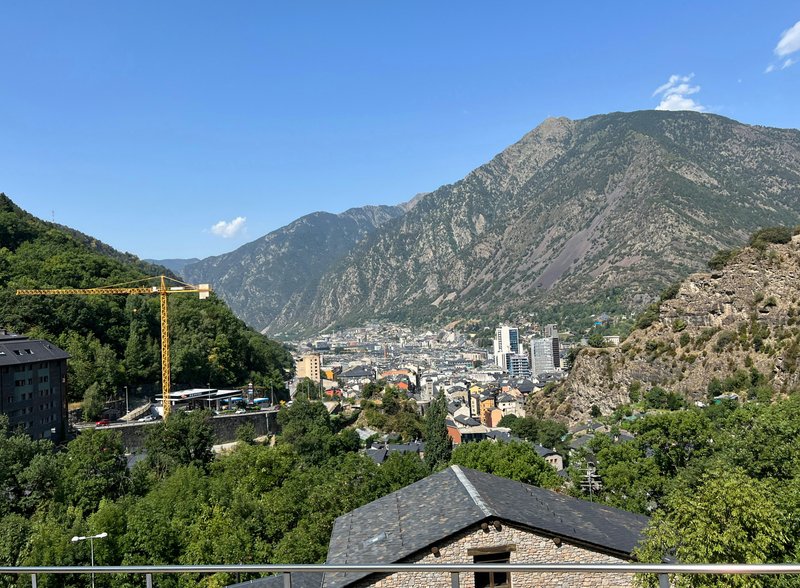
The capital sits in a narrow valley where the Valira del Nord and Valira d'Orient rivers converge, its historic quarter climbing steep streets toward the 12th-century Casa de la Vall. The Barri Antic district preserves Romanesque stone architecture alongside contemporary galleries, while Avinguda Meritxell draws evening crowds to its cafés and retail arcades. At 1,023 metres elevation, summer temperatures rarely exceed 25°C, making terrace dining a constant pleasure from June through September.
Hotel development concentrates along the river corridor and the approach to the Caldea thermal complex, Europe's largest mountain spa centre. Local chefs draw on Catalan and French mountain traditions — trinxat cabbage cakes, escudella stew, cured meats from neighboring farms. The dining scene skews intimate, with most tables filled by residents and returning visitors who appreciate the absence of tourist-trap pricing despite the principality's duty-free status.