New Zealand's second oldest lodge commands a peninsula above Lake Tarawera, where nine suites frame volcano views through floor-to-ceiling windows and freestanding baths. The on-site hot spring bath draws from geothermal waters, while the kitchen works produce from its own garden alongside regional seafood. A contemplative retreat for travelers seeking lake-bound solitude within easy reach of Rotorua's thermal attractions.
Overlooking Lake Rotorua from Kawaha Point, this intimate boutique property delivers generous hospitality in a serene waterfront setting. The hotel's proximity to town keeps geothermal parks and Māori cultural sites within easy reach, while family rooms accommodating four guests with flexible bedding configurations make it a practical choice for traveling families seeking lakeside tranquility without sacrificing convenience.
Perched on a private peninsula along Northland's rugged coastline, The Glasshouse delivers the kind of seclusion that feels genuinely remote. This adults-only retreat channels its clifftop setting into an immersive nature experience—floor-to-ceiling views, absolute quiet, and the raw drama of New Zealand's northern edge. The lodge suits couples seeking romance without distraction, though the dining offering remains modest compared to the scenery.
A sprawling estate of native bush surrounds this hunting lodge-style retreat, where trout streams wind past roaming deer and a waterfall thunders in the distance. Days unfold with nature expeditions—including after-dark glow worm walks—before evenings culminate in elaborate degustation dinners. Hundreds of animals roam the property, making Treetops particularly appealing to families seeking wilderness immersion with polished comforts.
Cambridge's original 1866 hotel survives in a 1912 Beaux-Arts landmark designed by John Currie, its stained-glass windows and sweeping staircase recently restored to full grandeur. Twenty-nine rooms occupy the upper floors, while evenings unfold between the Gallery Restaurant and a speakeasy bar pouring house-distilled gin from a Victorian-era recipe. Gardens and nearby golf courses complete the appeal for travelers seeking heritage with substance.
Frequently Asked Questions
What makes Rotorua's geothermal features relevant for accommodation?
+
Many properties tap directly into underground thermal aquifers, offering private hot pools naturally heated to bathing temperature. This isn't a manufactured wellness trend — it's geography. Hotels and lodges position themselves near these geothermal zones, allowing guests to soak in mineral-rich waters without leaving the property grounds.
How does Māori culture influence the visitor experience in Rotorua?
+
Te Arawa iwi have called this region home for over six hundred years, and their presence shapes everything from formal pōwhiri welcome ceremonies to the hāngī feasts cooked in earth ovens using volcanic steam. Several accommodations partner directly with local Māori operators, offering cultural performances, guided walks through ancestral lands, and insights into traditional carving and weaving practices.
Which areas of Rotorua offer the best base for exploring the region?
+
The lakefront near Ōhinemutu village provides proximity to both the town center and significant cultural sites. Properties along the shores of nearby lakes Tarawera and Rotoiti offer more seclusion, with access to walking trails through native podocarp forest. The Whakarewarewa area suits those wanting geothermal attractions within walking distance.
Rotorua sits on the Pacific Ring of Fire, its landscape shaped by volcanic forces that continue to define daily life. Steam rises from cracks in suburban pavements; the sulfur-tinged air signals proximity to bubbling mud pools and erupting geysers. Te Arawa, the Māori iwi who settled these shores centuries ago, remain deeply connected to the region. Their cultural presence runs through the city's architecture, place names, and the pōwhiri ceremonies that welcome visitors to local marae.
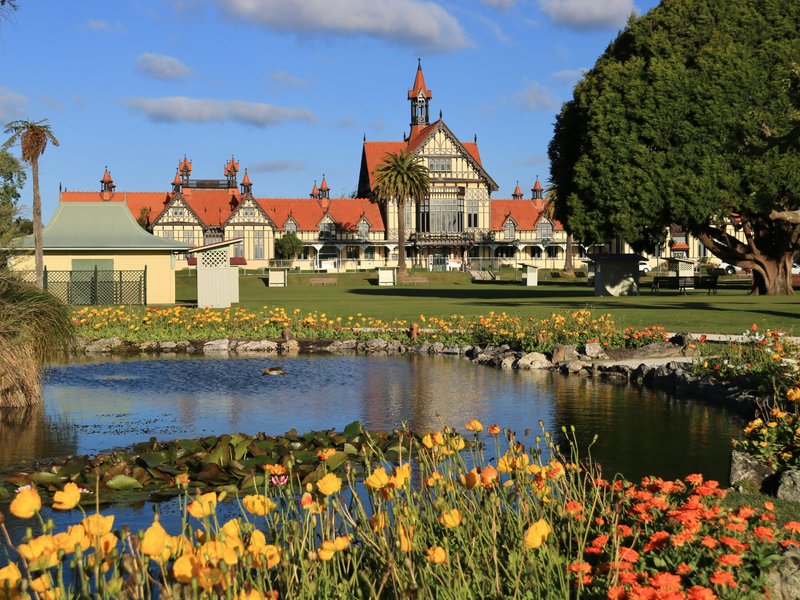
The town itself unfolds along the southern shore of Lake Rotorua, with the Government Gardens providing a strange Victorian counterpoint to the geothermal activity beneath. Eat Street, the pedestrianized dining precinct, draws evening crowds to its collection of cafés and restaurants. Beyond the urban core, accommodation options spread across the surrounding bush-clad hills and lakeshores, many incorporating natural hot spring pools fed by the thermal aquifers below. The Whakarewarewa geothermal valley lies just minutes from the center, a reminder that here, geology dictates the rhythm of hospitality.