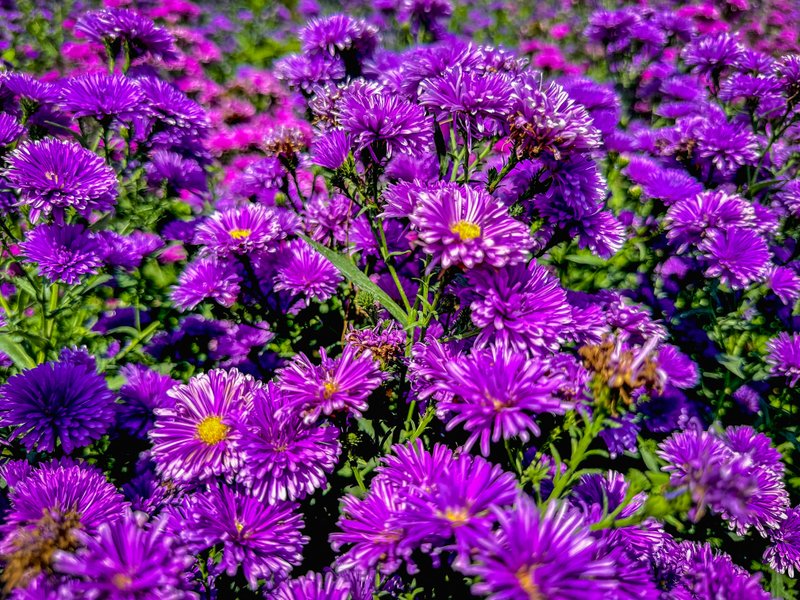
Cinematic fantasy drives every detail at this 22-room Khao Yai retreat, where bellhops in period uniforms welcome arrivals to interiors channeling Wes Anderson's visual universe. Rooms dressed in midnight blue, forest green, and burgundy velvet feature antique furnishings and four-poster beds. Afternoon tea unfolds in the velvet-wrapped Botanist's Bible, cocktails flow at Bar Mystère, and dinner in The Vivarium plays out beneath a ceiling blanketed in colorful blooms.
Where to Stay
Bill Bensley's architectural vision reaches its most playful expression at this lakeside retreat bordering UNESCO-listed Khao Yai National Park: 64 accommodations fashioned from upcycled railway carriages, a nod to the region's historic role in Thai rail transport. The narrow footprints prove surprisingly luxurious, fitted with plunge pools and outdoor bathtubs. Dining spans traditional Thai to French-inflected cuisine, while jungle excursions await beyond the spa.
Perched on a hilltop near Khao Yai National Park—where wild elephants roam—this ultra-modern boutique property commands sweeping valley views through floor-to-ceiling glass. Just seven rooms showcase exposed white brick and polished concrete beneath ivory canopies, while villas add private pools and outdoor soaking tubs. The showpiece: a futuristic infinity pool cantilevered dramatically over the hillside, rewarding design-minded travelers seeking seclusion.
Where to Eat
A restored railway carriage channeling the Orient Express sets the stage for evening-only dining at this Intercontinental Khao Yai address. Tables spill out toward the lake, where guests settle into classic European cooking built on premium ingredients. The signature filet mignon arrives with red wine jus and buttery mash—comfort food polished to a fine gleam, served with a Michelin Plate distinction.
Vintage movie posters, antique toys, and decades of collectibles create a time-capsule atmosphere at this Bib Gourmand restaurant near Khao Yai. The kitchen has perfected its craft over two decades, with the minced beef curry enriched by fresh coconut milk earning devoted followers, alongside crispy fried gourami that draws crowds during peak season. Mountain views from the dining room complete the nostalgic experience.
Half a century of rotisserie expertise has earned this unassuming street stall its Bib Gourmand distinction. The signature chicken—available as farmed or free-range domestic bird—undergoes a proprietary marinade of pepper and aromatic herbs before turning slowly over open flame. The result emerges juicy beneath a paper-thin, lacquered skin, best dragged through the accompanying sweet chilli sauce between bites.
A trolley stacked with golden deep-fried buns greets visitors to this second-generation Bib Gourmand stall, named after the owner's beloved Japanese film. The signature crispy bun—stuffed with seasoned glass noodles and vegetables—draws loyal crowds despite the takeaway-only format. Michelin recognition confirms what locals have long known: exceptional street food needs no frills, just skilled hands and honest ingredients.
Bib Gourmand-recognized Krua Suwimol operates as a breezy open-air kitchen where Thai-Chinese and Isan traditions converge. The approach is deliberately unfussy—straightforward techniques applied to impeccably fresh ingredients yield dishes of surprising intensity. Deep-fried chicken thigh lacquered with fish sauce and wok-fired spicy seafood draw regulars who appreciate honest cooking without ceremony. A local institution for flavor-driven simplicity.
For half a century, Granny Somphit has presided over this Bib Gourmand address, turning out Isan dishes that balance fiery local spices with fragrant Thai herbs. The signature spicy calf beef salad arrives with a distinctive crunch from smoky toasted rice powder, while fresh offal preparations and house-made beef sausage showcase her mastery of the region's bold, fermented flavors—all at remarkably gentle prices.
A Bib Gourmand recipient drawing on Suphan Buri's storied beef noodle tradition, Nub serves bowls of uncommon depth—offal and beef simmered over charcoal until the broth turns smoky and clear. The signature mixed luak chim layers braised cuts, thin slices, springy balls and offal, finished with dark soy and a bright hit of lime that cuts through the richness.
Auntie Pleung's modest district shop draws devoted locals for Pad Mhee Kratok, Korat's signature noodle dish, distinguished by its soft-chewy texture and seasoning so precise that additions prove unnecessary. This Bib Gourmand address also delivers award-winning interpretations of Pad Thai and papaya salad, making it essential for travelers seeking authentic Isan flavors without pretense.
Chef Anuwat Thiemkreangkrai has spent twelve years perfecting his MSG-free approach to seafood at this Bib Gourmand street stall. The cooking philosophy centers on restraint—stir-fries designed to amplify rather than mask the ocean's freshness. His celery with seabass demonstrates precise technique, while the Thai basil seafood achieves a balance that explains the loyal following among Korat's serious food hunters.
Organic vegetables, free-range meats, grass-fed Australian beef, and seafood from small-scale fisheries form the foundation of Gin-D's health-conscious Thai cooking. The kitchen works without MSG, relying on natural seasonings to deliver authentic flavours. Warm wooden interiors open onto a garden, creating a relaxed atmosphere suited to unhurried meals. A Michelin Plate holder with quiet conviction.
Frequently Asked Questions
What is the best area to stay in Nakhon Ratchasima for exploring Khao Yai?
+
Properties along Thanarat Road, the scenic route climbing toward Khao Yai National Park, offer the most convenient access. This corridor, roughly 45 minutes from the city center, hosts vineyard estates and nature-focused resorts. Staying here positions you for early-morning wildlife drives and eliminates the need to navigate urban traffic before reaching the park gates.
How does Isan cuisine in Korat differ from Thai food elsewhere?
+
Isan cooking emphasizes fermented flavors, raw preparations, and intense spice levels rarely found in central Thai cuisine. Expect pla ra (fermented fish paste) in papaya salads, sour sausages aged with sticky rice, and dishes featuring foraged herbs and insects. Restaurants here serve these dishes authentically, without the modifications common in Bangkok or tourist areas.
Is Nakhon Ratchasima suitable as a base for visiting Phimai temple?
+
Phimai Historical Park lies 60 kilometers northeast of the city, an easy hour's drive through rice paddies. The 11th-century Khmer sanctuary predates Angkor Wat and shares its architectural vocabulary. Day trips work well, though arriving before tour groups at opening time rewards visitors with atmospheric photographs and quieter exploration of the sandstone galleries.
Nearby Destinations
Explore ThailandKorat sprawls across the Khorat Plateau, a frontier city where Bangkok's influence meets the agricultural heartland of Isan. The old town clusters around Thao Suranari Monument, its morning markets selling khao piak sen noodles and som tam made with fermented fish sauce rather than the sweetened versions found further south. Beyond the ancient city moat, modern districts extend toward Khao Yai National Park, where cool-climate vineyards and destination resorts have emerged along winding mountain roads.
The dining scene draws heavily on Isan's bold flavors — larb with toasted rice powder, grilled chicken from clay-pot smokers, sticky rice served in woven baskets. International options concentrate around the university district and newer shopping centers, while traditional shophouses near Chumphon Road serve generations-old recipes. Hotels range from contemporary properties catering to business travelers to countryside estates positioned as bases for exploring the UNESCO-listed Phimai Historical Park and the region's Khmer temple ruins.