


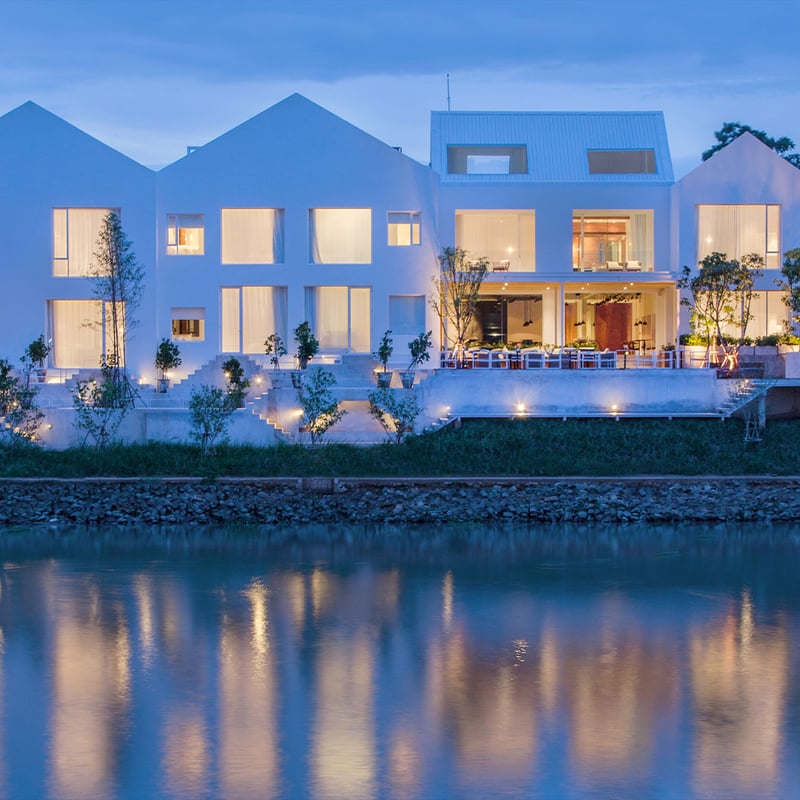
Bangkok's Onion studio designed this 27-room riverside property as a study in restrained modernism against Ayutthaya's ancient skyline. A fourteenth-century Khmer temple rises directly across the Chao Phraya, visible from the rooftop bar and riverfront suites. The pool retreats into a private courtyard enclosed by whitewashed walls and exposed brick, its white marble deck shielded from view. Select rooms add private pools or terraces; all include freestanding soaking tubs.
Ayutthaya Travel Guide: Best Hotels, Restaurants & Experiences 
Explore Ayutthaya
Restaurants (4)
Where to Stay
Where to Eat

Michelin Selected
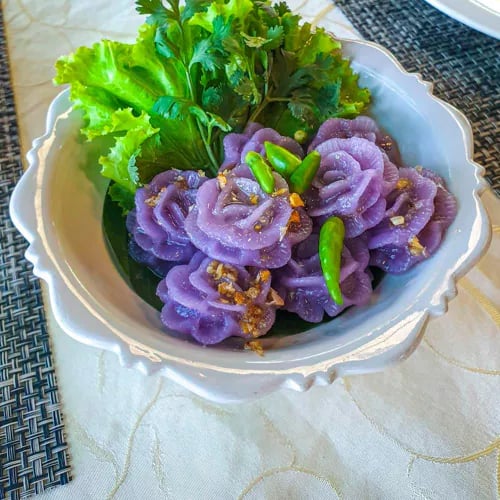
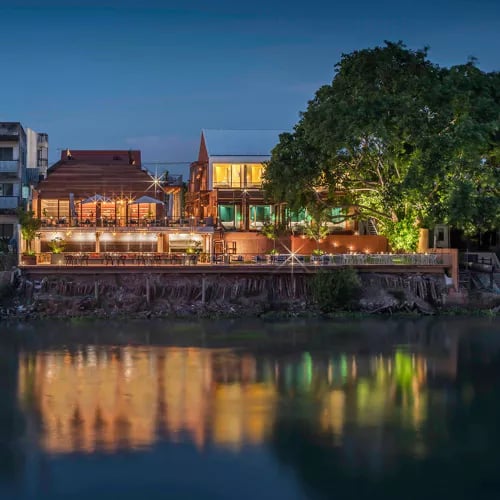
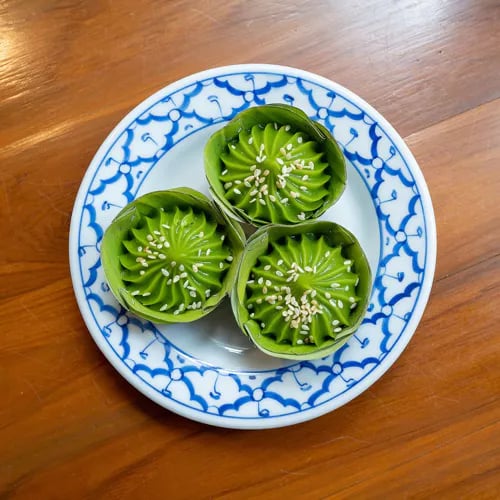
A 130-year-old rice mill on the Noi River provides the atmospheric setting for this Michelin Plate restaurant, where traditional Thai cooking takes center stage. Delicate starters like golden Toong Thong and flower-shaped Chor Muang precede signature mains of crispy snakehead fish with fresh herbs and tamarind-glazed prawns. A river cruise package offers arrival by boat, though reservations remain essential regardless.

Michelin Selected
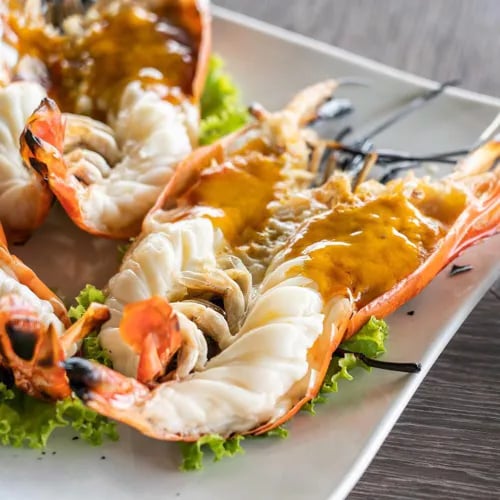
Red brick walls echo the weathered fortifications scattered across Ayutthaya's ancient island, but inside Baan Pomphet the mood shifts to contemporary elegance. Floor-to-ceiling windows frame the Chao Phraya's slow current while the kitchen dispatches river prawns charred over open flame and freshwater snails swimming in fiery red curry. Ingredients travel short distances here—pulled from the water or neighboring farms. Riverside tables at sunset require advance booking.

Bib Gourmand
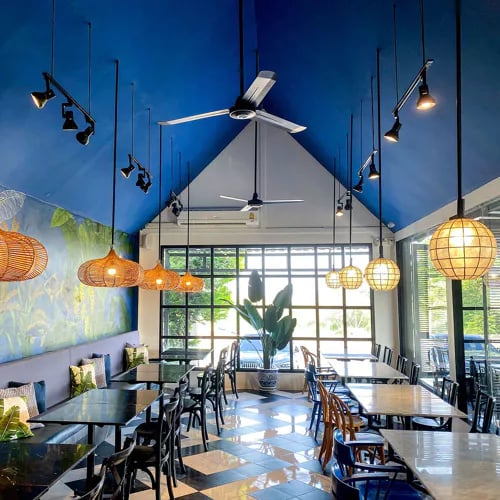
Beneath its distinctive blue roof, this Bib Gourmand address champions Isan cooking with ingredients sourced directly from the surrounding community. River fish arrives daily, transformed into fragrant herb-scented cakes that have earned local devotion. The stir-fried Chinese kale with crispy salted fish delivers bold, satisfying contrasts. Portions run generous—a welcome reality check before ordering—making it ideal for unhurried, shareable feasts.

Bib Gourmand
The rhythmic thud of pestle against mortar provides the soundtrack at this Bib Gourmand address, where veteran cooks grind their own chilli paste fresh for each service. An open-air pavilion extends over a tranquil pond, framing plates of uncomplicated Thai cooking executed with quiet precision. The signature crispy fish arrives fragrant with ginger and enriched by salted egg—a dish worth the pilgrimage from Ayutthaya's temple circuit.

Bib Gourmand
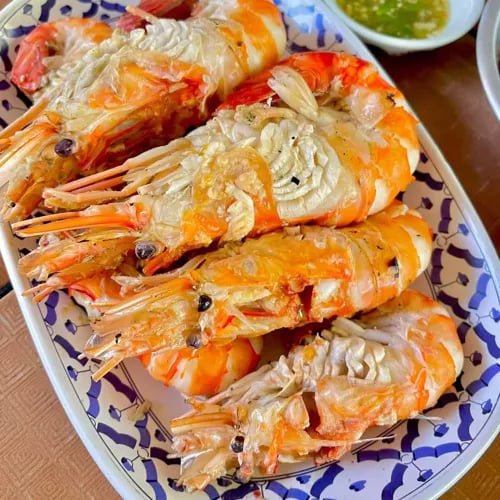
After morning temple visits to nearby Wat Choeng Len, this riverside Bib Gourmand address draws locals and travelers alike for impeccably fresh river catch. Deep-fried sheatfish arrives golden and crisp, while the aromatic green curry loaded with clown featherback fish balls delivers quiet heat. The star attraction—massive river prawns charcoal-grilled to smoky perfection—requires advance reservation, their limited supply testament to unwavering demand.

Bib Gourmand
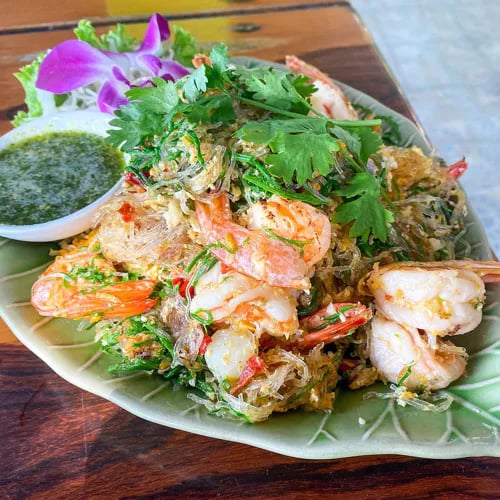
A Bib Gourmand recipient near Ayutthaya, U-Khao draws its recipes from the owner's mother, channeling childhood nostalgia through traditional Thai techniques with contemporary presentation. The smartly appointed blue-and-white dining room sets the stage for distinctive plates like stir-fried stinky vegetables with shrimp and a smoky, fiery grilled shrimp relish—dishes that reward adventurous palates seeking regional authenticity.

Bib Gourmand
Inside the chef-owner's converted home, Baan Pu Karn serves Thai cooking rooted in local sourcing and precise seasoning. The Bib Gourmand-recognized kitchen works with fresh seafood rarely found elsewhere in Ayutthaya, building dishes around natural umami from shrimp and crab. Herbal aromatics define each plate, particularly the yellow curry soup with lotus roots—a signature worth arriving early for, since reservations aren't accepted.

Bib Gourmand
Sunlight floods this modest Ayutthaya shop where between fifty and seventy traditional Thai desserts rotate daily. The kitchen extracts fresh coconut milk each morning, lending its signature khanom mo kaeng—a silky baked custard—an intensity difficult to find elsewhere. Bib Gourmand recognition confirms the quality. Beyond the custard, lesser-known sweets like thua paep, sweet sorghum, and piak pun reward the adventurous palate.

Bib Gourmand
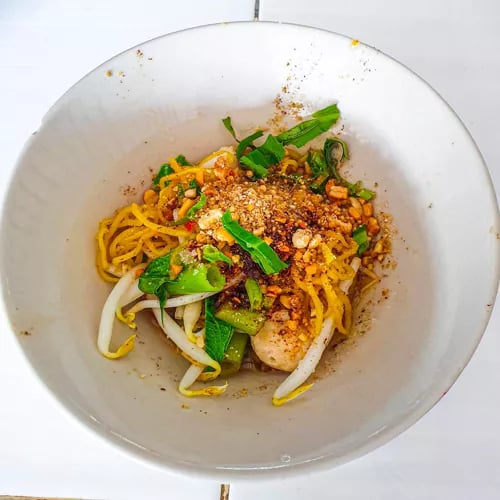
Three generations of the same family have ladled boat noodles from this Ayutthaya street stall for over fifty years, earning a Bib Gourmand for exceptional value. The beef and pork versions arrive in traditional small bowls—expect to order several—swimming in rich, aromatic broth. A no-frills pit stop for travelers seeking authentic Thai noodle craft at pocket-friendly prices.

Bib Gourmand
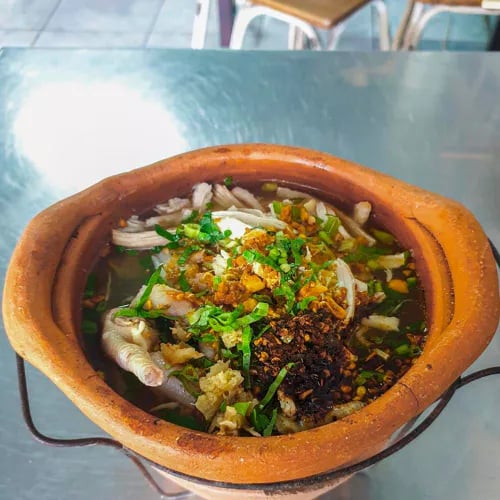
Near Wat Phanom Yong on the Ayutthaya-Ang Thong Road, this Bib Gourmand-awarded noodle shop serves shredded chicken in a tom yum broth so precisely calibrated it requires no tableside adjustment. Tender poultry and optional slow-cooked chicken feet reward early risers—service runs breakfast through lunch only. A worthy detour for soup purists exploring the ancient capital.
Frequently Asked Questions
What is the best area to stay in Ayutthaya for temple access?
+
The historical island offers the most convenient base, with most major ruins within cycling distance. Properties along the eastern riverbank near Wat Phanan Choeng provide quieter settings while remaining minutes from the temple circuit. The U Thong Road corridor on the island's south side places you between the main archaeological sites and the evening market district.
When is the ideal season to visit Ayutthaya?
+
November through February brings cooler temperatures and minimal rainfall, ideal for exploring outdoor ruins. The Loi Krathong festival in November sees the rivers dotted with floating offerings and the temples dramatically lit. Avoid September and October when monsoon flooding occasionally affects low-lying areas around the island.
How does Ayutthaya's dining scene differ from Bangkok?
+
The cuisine emphasizes regional Central Plains traditions often diluted in the capital. River prawns feature prominently, grilled or in spicy salads. Boat noodle vendors maintain generations-old recipes with rich, aromatic broths. Sweet specialties like roti sai mai remain artisanal here rather than factory-produced, hand-pulled by vendors in the market district each afternoon.
Nearby Destinations
Explore Thailand



Ayutthaya
The former Siamese capital sprawls across an island formed by three converging rivers — the Chao Phraya, Lopburi, and Pa Sak. Founded in 1350 and once among the world's largest cities, Ayutthaya's UNESCO-listed ruins now rise dramatically from manicured lawns, their brick prangs and headless Buddha statues bearing witness to the 1767 Burmese sacking. The old island remains the historic core, where temple complexes like Wat Mahathat and Wat Phra Si Sanphet anchor any visit, while the surrounding riverbanks have become home to converted teak houses and heritage properties.
Dining here leans toward traditional Central Thai cooking with a riverine accent — freshwater prawns from the local rivers, boat noodles descended from floating vendors, and roti sai mai, the candy-floss wrapped crepes sold from stalls near Chao Phrom Market. The restaurant scene concentrates along the waterfront and near the night market at Bang Ian Road, where open-air terraces face illuminated temple ruins after dark. Several heritage properties have opened atmospheric dining rooms in century-old shophouses, serving royal Thai recipes adapted for contemporary palates.