


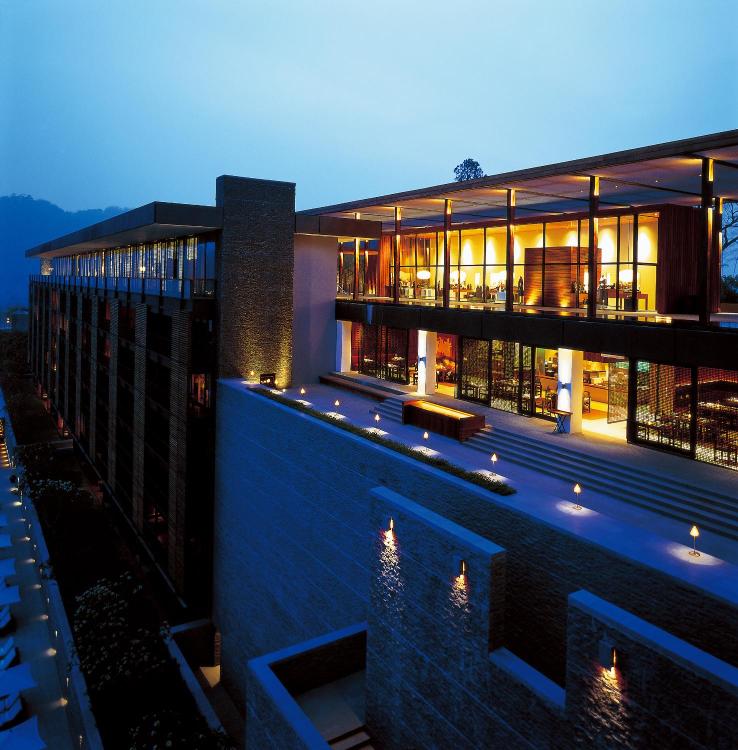
A sleek modernist lodge positioned directly on Sun Moon Lake's shores, The Lalu commands panoramic water views that shift with Taiwan's mountain light. The property has earned loyal local following for its polished facilities and understated contemporary design. Families find genuine welcome here—even infants receive full amenities—making it a rare luxury address where traveling with young children feels effortless rather than compromised.
Sun Moon Lake & Nantou Travel Guide: Best Hotels, Restaurants & Experiences 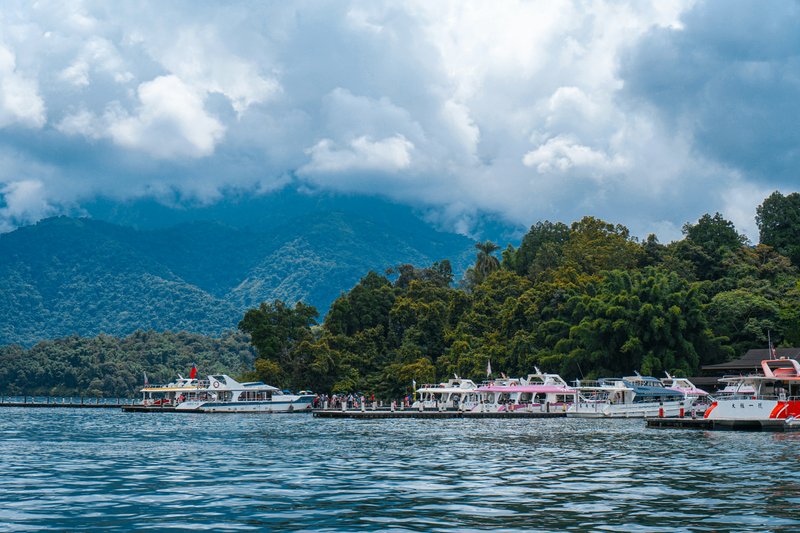
Explore Sun Moon Lake
Hotels (4)

Perched on Sun Moon Lake's northern shore, this 211-room property traces its origins to the 1970s, though a post-earthquake reconstruction revealed Taiwan's first lakeside geothermal spring—now feeding the in-room hot spring baths that define the experience. Floor-to-ceiling windows frame the water's mercurial moods, while an indoor pool, sauna, and jacuzzi round out the spa offering. Sustainability-minded travelers will appreciate the hotel's environmental commitments.

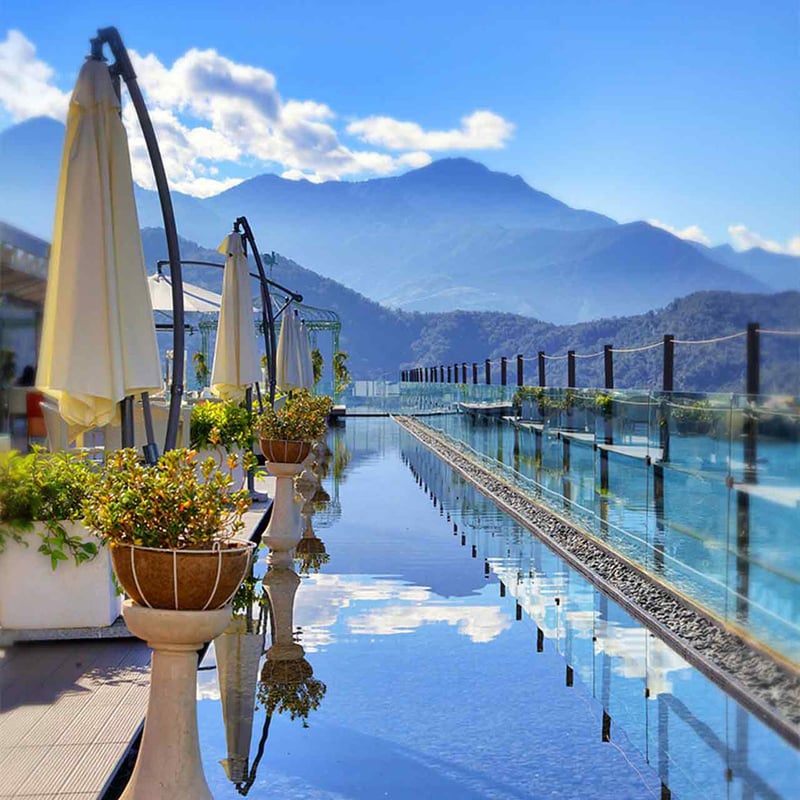
Rising from the Hanbi Peninsula, Grand Hilai Sun Moon Lake commands sweeping views of Taiwan's most celebrated lake and its forested peaks. The 93-room property maintains an intimate scale, with minimalist interiors that defer to the landscape visible through floor-to-ceiling glass. Each room opens onto a private balcony with its own hot spring pool, while the spa complex offers jacuzzi, sauna, and an outdoor swimming pool for guests seeking full immersion in the setting.

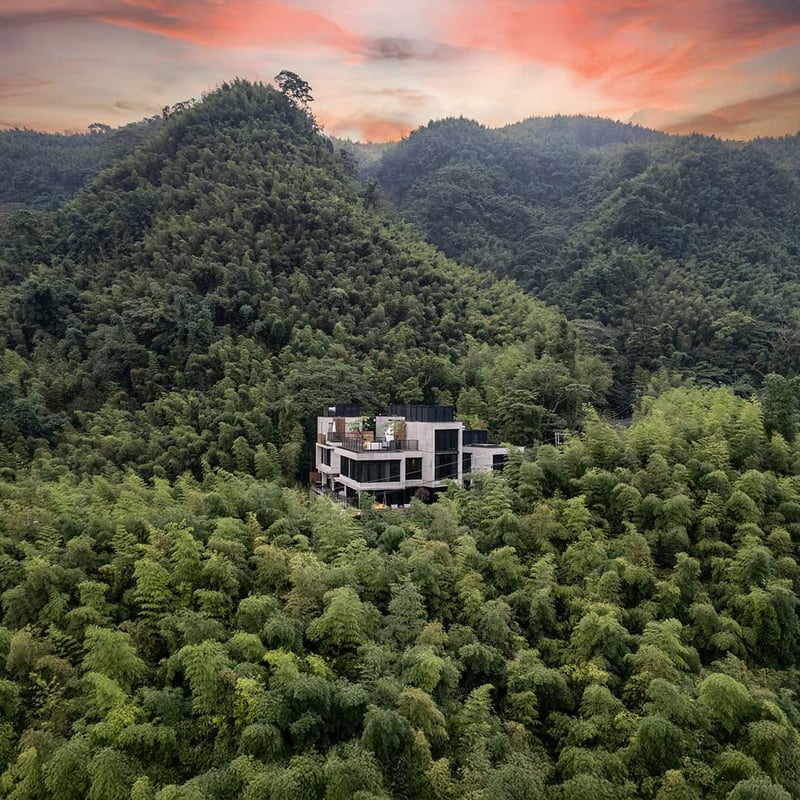
Glass-walled rooms angle toward the treetops at this eleven-room retreat on the edge of Lugu's woodlands, where sharp contemporary architecture meets dense forest canopy. Stone paths thread through wild gardens to a terrace built for mist-shrouded breakfasts. The spare, elegant interiors and deliberately unhurried pace suit travelers seeking immersion in Taiwan's mountain landscape rather than conventional resort polish.

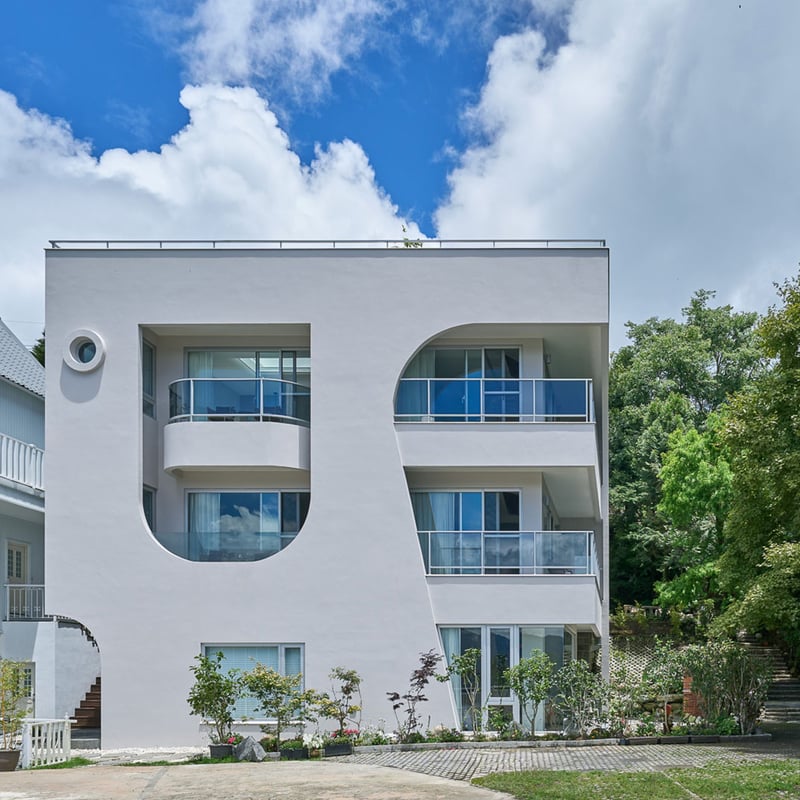
Twelve rooms spread across this hillside retreat in Renai Township, where the atmosphere leans closer to intimate guesthouse than conventional hotel. Mountain-facing terraces and a manicured garden provide the views; bright, understated interiors keep the focus on rest rather than spectacle. The pace here suits independent travelers exploring nearby Small Swiss Garden and the surrounding peaks without fanfare.
Frequently Asked Questions
What is the best way to get around Sun Moon Lake?
+
The 30-kilometer cycling path circling the lake ranks among Taiwan's finest, with bike rentals available at Shuishe and Ita Thao piers. Regular ferry services connect the three main wharves — Shuishe, Ita Thao, and Xuanguang — while local buses link the lake to Puli and onward to Taichung's high-speed rail station.
When is the ideal season to visit Nantou County?
+
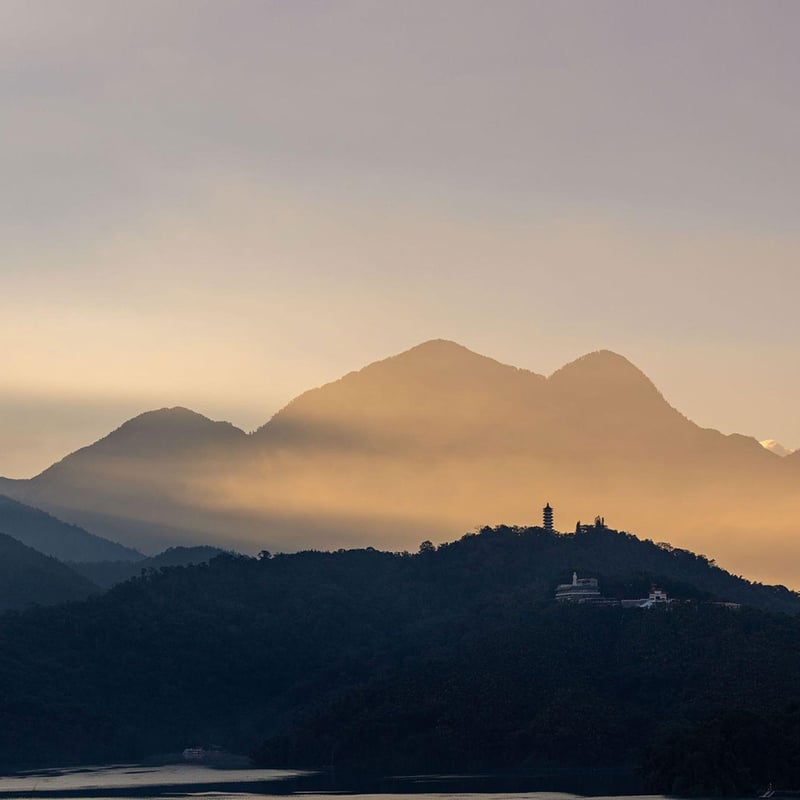
Autumn brings the clearest skies and the annual Swimming Carnival in September. Spring offers comfortable hiking temperatures and blooming cherry trees around Formosan Aboriginal Culture Village. Summer sees afternoon thunderstorms but remains popular for water activities, while winter mornings often reveal dramatic mist hovering over the lake surface.
Which areas beyond the lake are worth exploring in Nantou?
+
Xitou Nature Education Area contains old-growth cypress forest and bamboo groves at 1,150 meters. Shanlinxi Forest Recreation Area climbs higher still, offering sunrise views and giant ancient trees. The tea-growing highlands around Lugu produce some of Taiwan's most prized oolong, with plantation visits and tastings widely available.
Nearby Destinations
Explore Taiwan

Sun Moon Lake
Taiwan's largest body of water sits at 748 meters elevation in the western foothills, its surface split between the round northern basin (the sun) and the crescent southern shore (the moon). The Thao people, Taiwan's smallest indigenous group, have lived along these banks for centuries, and their Ita Thao village remains the cultural anchor of the eastern shore. Surrounding Nantou County — Taiwan's only landlocked region — unfolds as a patchwork of high-altitude tea gardens, hot spring towns like Dongpu, and former logging settlements turned hiking bases at Xitou and Shanlinxi.
Hotels concentrate along the northern and western shores near Shuishe Pier, where the main visitor hub offers ferry connections and cycling access to the 30-kilometer lakefront path. The area around Ita Thao provides a quieter alternative with indigenous restaurants serving mountain boar and millet wine. Beyond the lake, Puli township has emerged as a centre for rice paper craft and sake brewing, its grid of workshops and distilleries drawing visitors en route to higher elevations.