


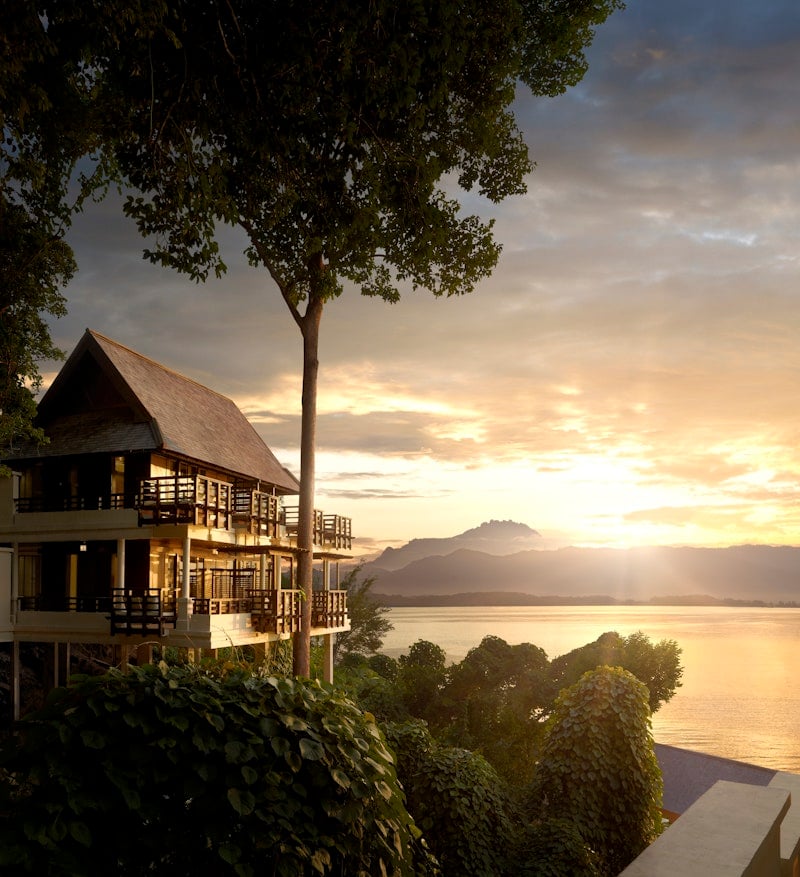
Tucked into a narrow bay on Gaya Island, Bunga Raya occupies that rare threshold between turquoise sea and dense rainforest. Stilted villas climb the jungle hillside, their elevated positions trading direct beach access for sweeping views and privacy—some with plunge pools for compensation. Families gravitate toward eight purpose-built villas overlooking the main pool, while divers find some of the South China Sea's liveliest coral reefs mere minutes offshore.
Kota Kinabalu & Sabah Travel Guide: Best Hotels, Restaurants & Experiences 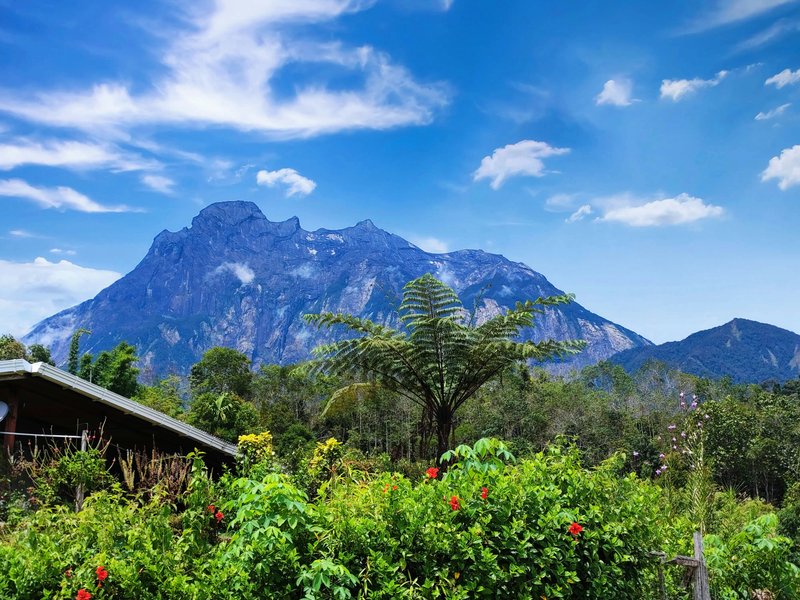
Explore Kota Kinabalu
Hotels (4)

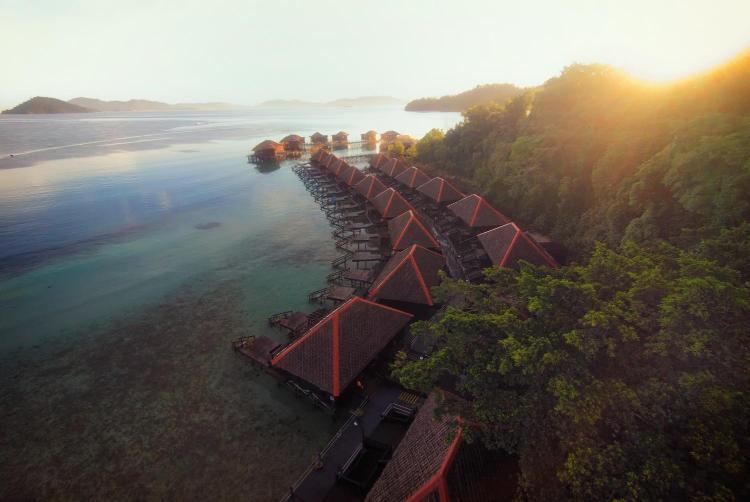
Forty-four thatch-roofed villas extend over the South China Sea off Gaya Island, each oriented toward ocean, mangrove, lagoon, or jungle—the Rimba bungalows trading water access for front-row views of macaques and hornbills. Room service arrives by raft; a marine research center invites guests to replant coral. Families find excellent snorkeling and kayaking with no age restrictions, while the spa delivers caviar facials in splendid isolation.

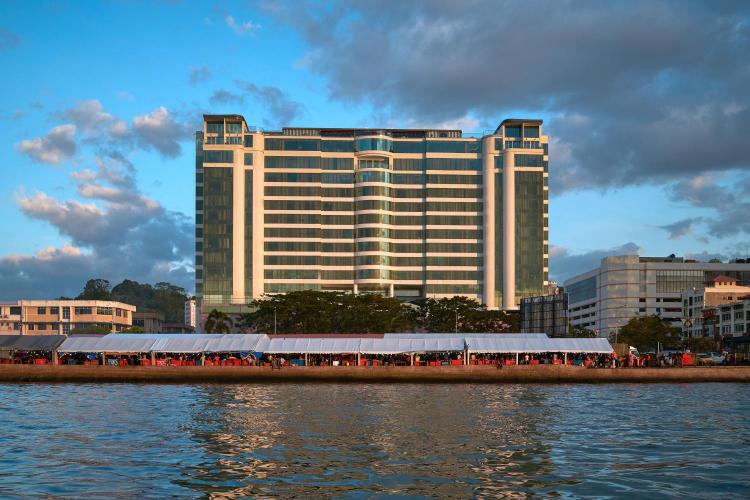
Downtown Kota Kinabalu's waterfront address gives Le Méridien an enviable position steps from markets, malls, and the sea. Favola, the hotel's Italian restaurant, draws consistent praise, while the expansive pool deck offers genuine respite from Sabah's tropical heat. An impressive drinks selection and a welcoming policy toward families—complete with a dedicated children's menu—make this a solid base for explorers of Malaysian Borneo.

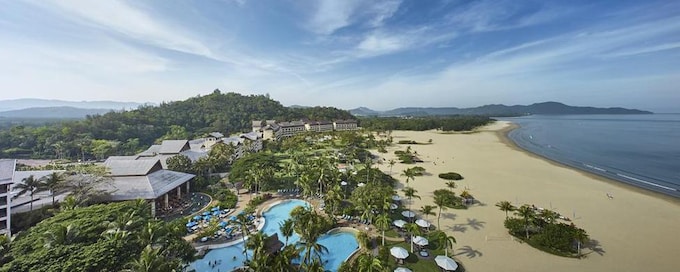
A two-mile ribbon of velvet sand fronts this sprawling Shangri-La property, backed by a 400-acre nature reserve where wildlife encounters unfold daily. Families find particular appeal in forty pairs of interconnecting rooms spread across Garden and Ocean Wings, plus a dedicated children's club and crèche. Dozens of activities—kayaking, jungle treks, snorkeling—keep guests engaged between exceptional meals at multiple restaurants.

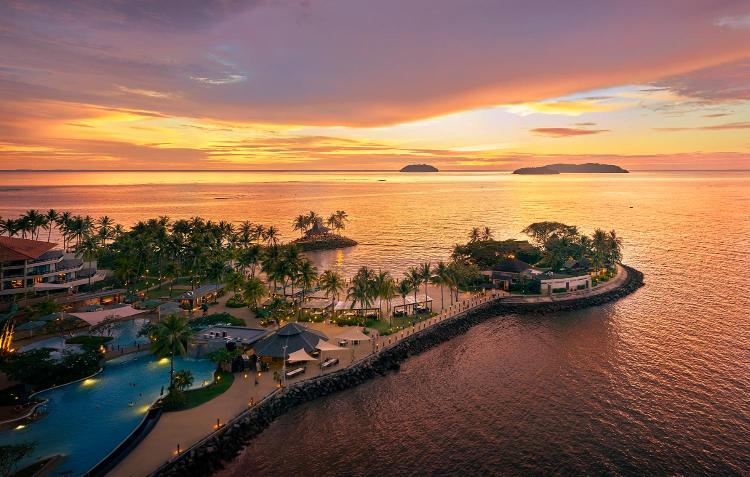
Kota Kinabalu's most luxurious beachfront address, this Shangri-La resort commands a private stretch of sand and one of the city's finest sunset bars. The sprawling pool complex and full-service spa cater to couples seeking relaxation, while an exceptional kids' club—complete with water play zones divided by age, treasure hunts, and daily crafts—makes it equally compelling for families.

Small Luxury Hotels
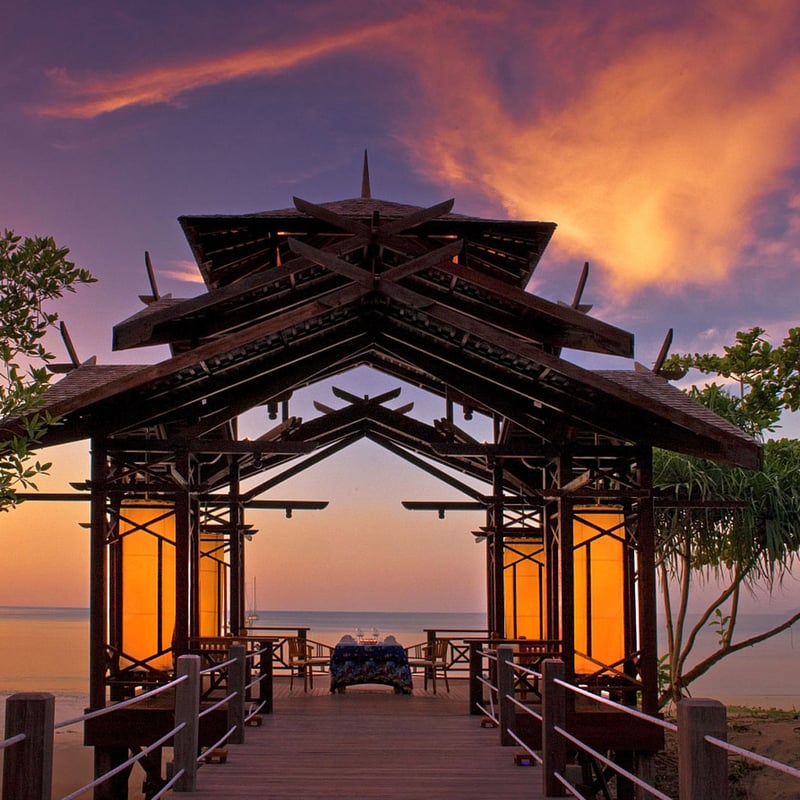
Accessible only by boat, this 121-villa retreat occupies a protected stretch of Pulau Gaya within Tunku Abdul Rahman Marine Park. Rainforest-clad hillsides frame views stretching to Mount Kinabalu, while an award-winning spa rises from the mangroves, offering guided meditation alongside traditional treatments. Divers explore surrounding coral reefs by day; evenings belong to Fisherman's Cove, where rooftop tables serve the catch under open skies.
Frequently Asked Questions
When is the best time to visit Sabah for wildlife and clear skies?
+
March through September offers drier conditions and better visibility for climbing Mount Kinabalu or diving at Sipadan. The wet season from October to February brings afternoon showers but greener landscapes and fewer visitors along the Kinabatangan River, where wildlife concentrates near water sources.
How accessible are Sabah's island and rainforest destinations from Kota Kinabalu?
+
The Tunku Abdul Rahman islands require only a fifteen-minute speedboat ride from Jesselton Point ferry terminal. Kinabalu Park sits ninety minutes by road. Remote lodges in Danum Valley or along the Kinabatangan typically involve a domestic flight to Sandakan followed by a two-hour drive, with transfers arranged by the properties.
What culinary traditions define Sabah's local food scene?
+
Kadazan-Dusun cuisine features raw fish dishes like hinava marinated in lime and chili, and bambangan pickled with wild mango. Night markets along the waterfront serve grilled stingray, tuaran mee noodles fried with egg, and sago-based desserts. Tamu weekly markets in outlying towns offer jungle vegetables, river fish, and local rice wines called lihing and montoku.
Nearby Destinations
Explore Malaysia
Kota Kinabalu
Sabah occupies the northern tip of Borneo, where the South China Sea meets some of Southeast Asia's oldest rainforests. The capital sprawls along a coastal strip rebuilt after wartime destruction, its waterfront now lined with markets selling fresh tuna and the local hinava ceviche. Beyond the city, the landscape shifts dramatically — from the granite peak of Mount Kinabalu, sacred to the Kadazan-Dusun people, to the coral gardens of the Tunku Abdul Rahman Marine Park just twenty minutes offshore.
Accommodation follows the terrain. Along Gaya Street, heritage shophouses have been converted into boutique properties with rooftop views of Signal Hill. The Tanjung Aru coastline draws those seeking sunset-facing rooms and proximity to the islands. Further afield, lodges cluster around Kinabalu Park, offering cool highland air and access to the Via Ferrata climbing routes. The Kinabatangan River corridor and Danum Valley provide immersive rainforest stays where proboscis monkeys and pygmy elephants move through the morning mist, and night drives reveal the nocturnal world of Borneo's endemic wildlife.