


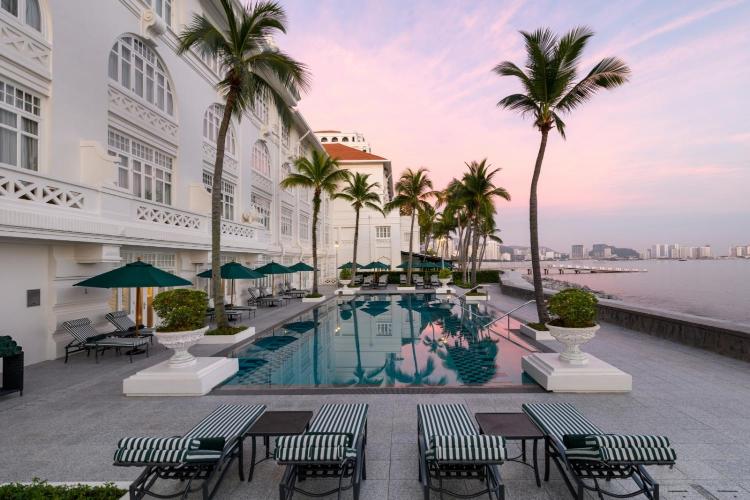
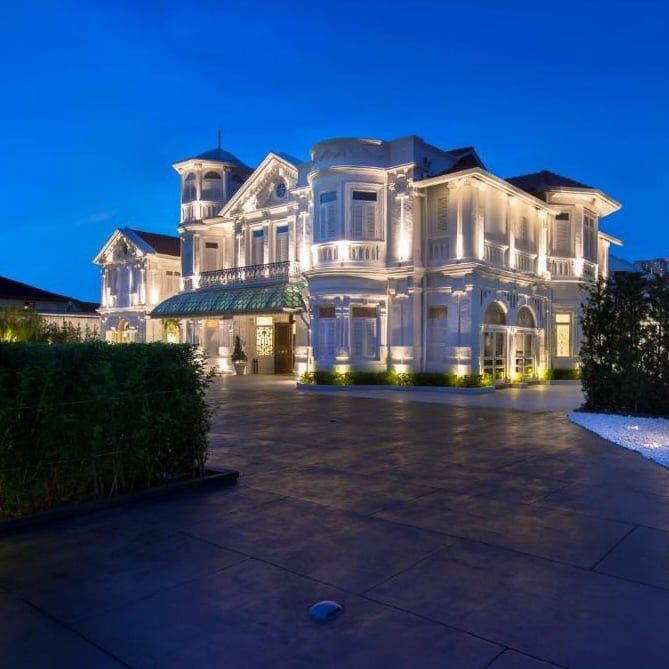
The Eastern & Oriental Hotel occupies a privileged stretch of Lebuh Farquhar, its colonial grandeur intact after more than a century of hosting travelers drawn to George Town's storied past. The dining options deliver genuine quality, while the bars serve gin and tonics with appropriate ceremony. This is a hotel for those who appreciate heritage worn proudly rather than preserved under glass.
Penang Travel Guide: Best Hotels, Restaurants & Experiences 
Explore George Town
Hotels (6)
Restaurants (8)
Where to Stay

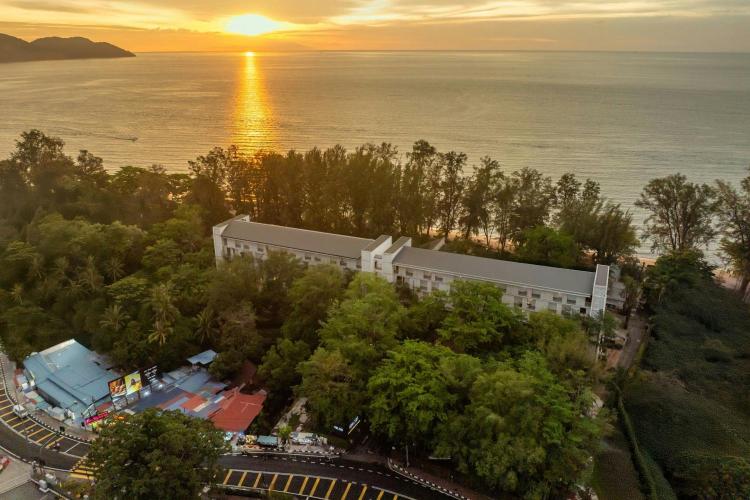
Batu Ferringhi's sole boutique address, Lone Pine delivers retro-inflected coastal living with direct Andaman Sea frontage. Rooms feature private balconies fitted with outdoor plunge baths—a rarity along this stretch. The property houses the area's only Japanese restaurant, while expansive lawns and warm, attentive service suit couples and families equally. A distinctive beach retreat with genuine character.

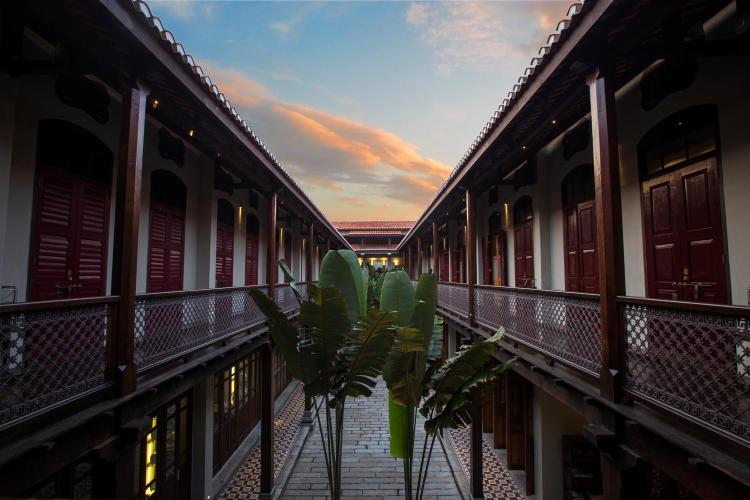
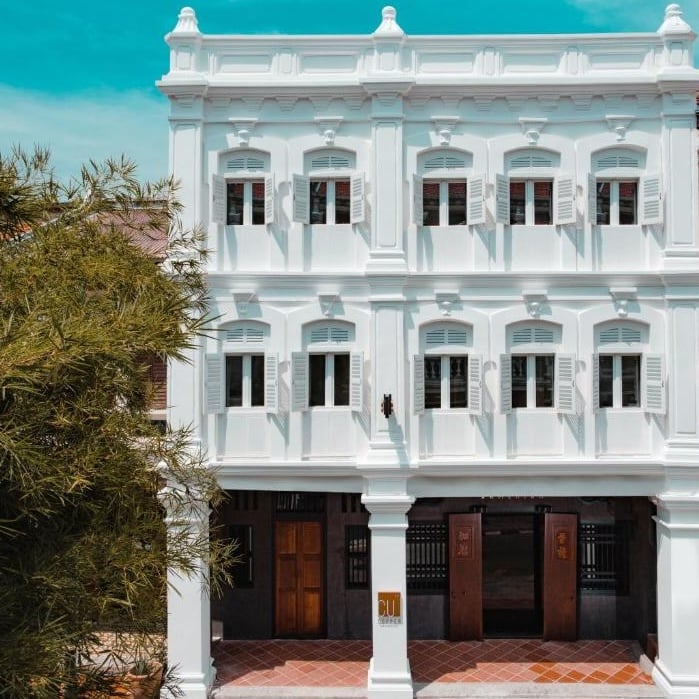
Antique furnishings and heritage architecture define this intimate George Town property on Stewart Lane, where restored shophouses create an atmosphere of colonial-era romance. The adults-only policy—children under three are not permitted—ensures tranquility throughout the meticulously decorated interiors. Strong on character and ideally positioned for exploring the UNESCO-listed old town, Seven Terraces suits couples seeking historical immersion over contemporary flash.

Small Luxury Hotels
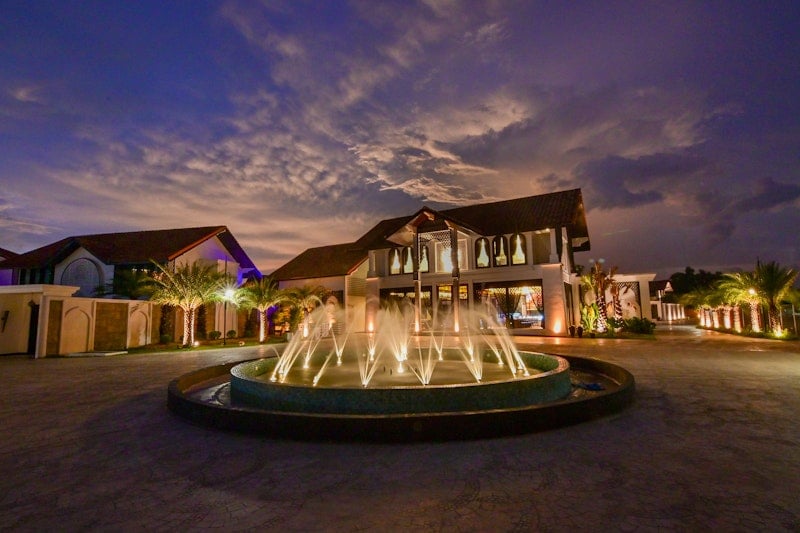
Moroccan arched doorways and Malaysian sensibility converge at this coastal Penang retreat, where eighteen villas each claim their own garden sanctuary. The Moroccan Villa pairs a jacuzzi bath with a private pool; the Oriental version offers a standalone soaking tub facing an interior courtyard. Between Ayurvedic rituals and a sunken bar set amid lagoon waters, restoration comes naturally to couples and wellness seekers.

Small Luxury Hotels
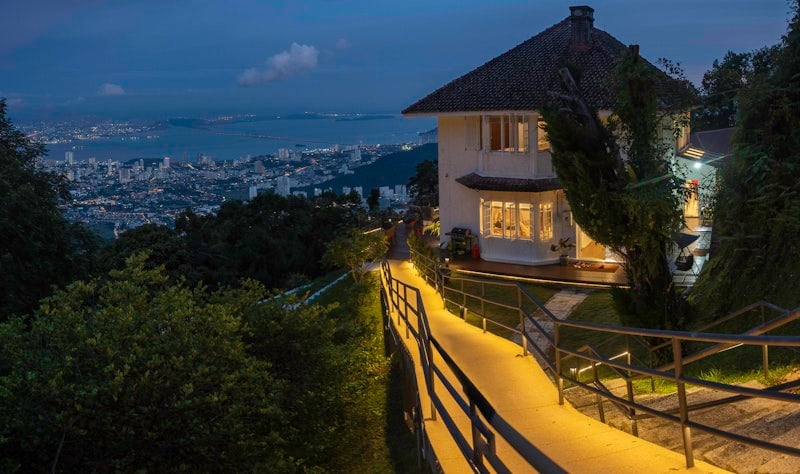
A 1920s colonial villa perched within Penang Hill's UNESCO Biosphere Reserve, Eythrope offers just five suites featuring high ceilings, wooden floors, and contemporary touches like terrariums and bonsai. The wraparound terrace frames sunrise views over George Town and the distant Titiwangsa Mountains. Guests reach the property via funicular or 4X4, with dusky leaf monkeys as neighbors and The Habitat rainforest trails at the doorstep.

Small Luxury Hotels
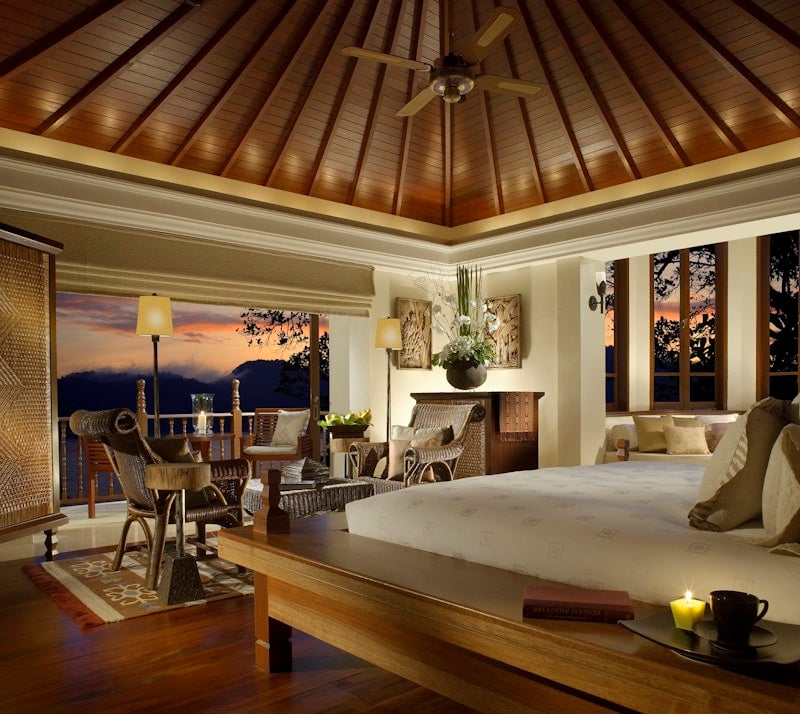
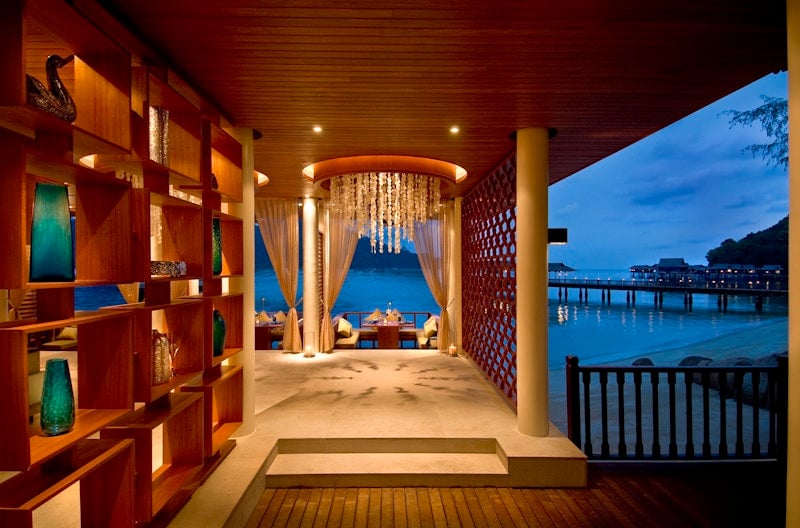
Occupying its own private island off Malaysia's west coast, Pangkor Laut Resort scatters Sea, Beach, Spa, Hill, and Garden Villas across dense rainforest terrain, many featuring outdoor bathtubs and balconies overlooking turquoise waters. The crescent of Emerald Bay, framed by jungle and rocky outcrops, anchors the setting. A resident naturalist leads rainforest treks, while the acclaimed spa offers yoga sessions on an overwater deck—ideal for families and couples seeking seclusion.

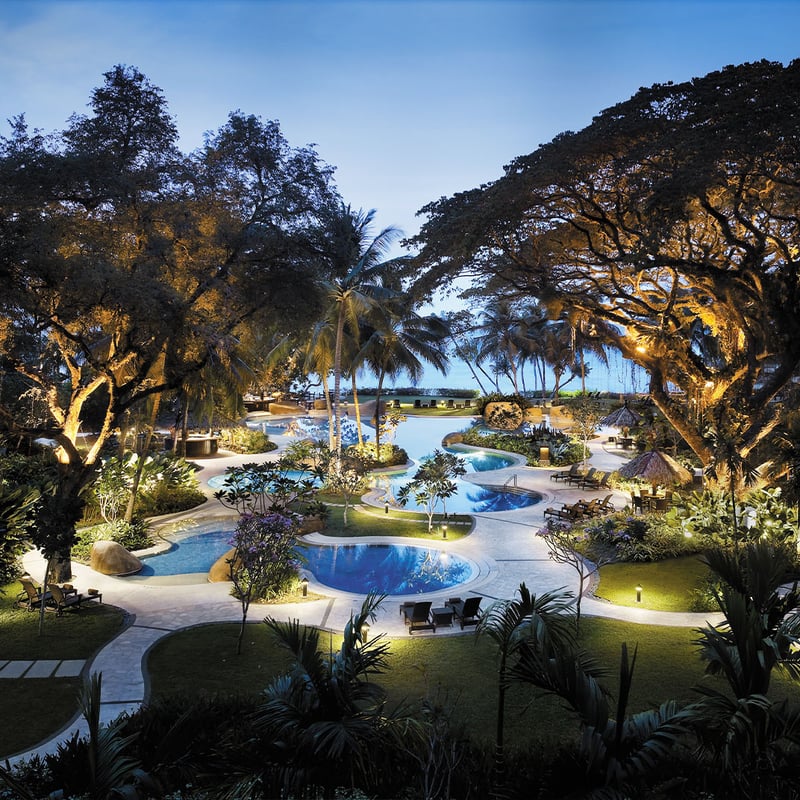
Thirty landscaped acres unfold behind Batu Ferringi's famous shoreline, where this 304-room resort channels Minangkabau heritage through cotton, wood, and vivid satin interiors. Three swimming pools punctuate the tropical gardens, while Penang's largest spa—eleven private villas offering traditional Chinese and Malaysian treatments—draws wellness seekers. Jungle treks and water sports round out a property built for travelers wanting beachfront relaxation with cultural texture.

A 19th-century mansion on Armenian Street, 88 Armenian preserves its original brick walls, timber floors, and charred wood panels across just six suites. Copper details reference the building's former life, while the on-site restaurant and bar occupy the historic ground floor. Outside, George Town's liveliest quarter buzzes with street art and hawker stalls; inside, silence and restraint prevail for history-minded travelers.

Named for a Scottish governor who once ruled Penang, this eight-suite boutique property channels colonial grandeur through blonde wood interiors, glass panels, and a commissioned art collection. The mosaic-lined pool features a swim-up bar; rooms come equipped with Bang & Olufsen systems and Nespresso machines. Two restaurants, a wine bar, and cigar lounge round out the offering for travelers seeking intimate sophistication near George Town's UNESCO quarter.

Colonial architecture meets contemporary polish at this 146-room seafront property on Jalan Sultan Ahmad Shah, where marble bathrooms and custom furnishings recall an era of measured elegance. Lili reimagines Malaysian classics with invention, Blacklinen ages its meats with care, and Good Society pivots from daytime café to evening cocktail den. A locally inspired spa and sleek pool face the Andaman Sea, George Town's heritage streets minutes away.
Where to Eat

★ Michelin
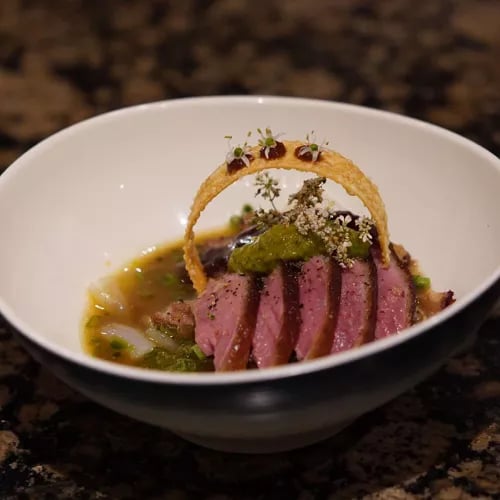
Corrugated metal panels and industrial bones give way to sleek minimalism inside this converted bus depot, now home to a one-starred table. The kitchen delivers sophisticated European cooking inflected with Malaysian sensibilities, the menu reshaped each month. Homemade sourdough arrives with tomato butter—a signature touch—while even the palate cleanser demonstrates the same exacting creativity that defines every course.

★ Michelin
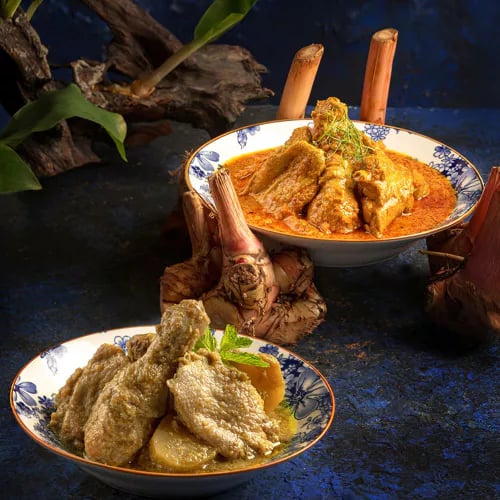
A 1960s soundtrack drifts past glass cabinets filled with vintage memorabilia at this Michelin-starred shophouse where Chef Gaik Lean guards recipes honed over decades. Her gulai tumis demands eight-plus ingredients in the curry paste alone, fresh saffron among them, while delicate pie tee shells and fragrant nasi ulam arrive made entirely from scratch. Heritage Penang cooking, uncompromised.

Michelin Selected
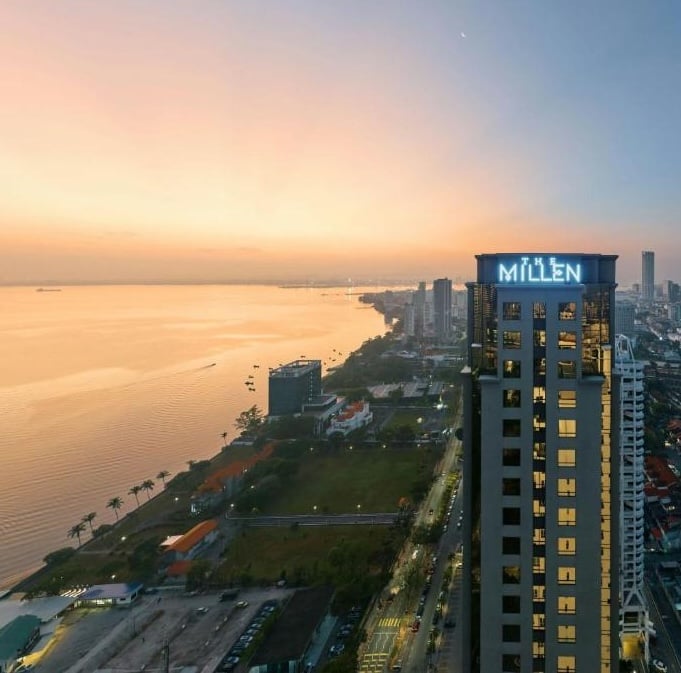
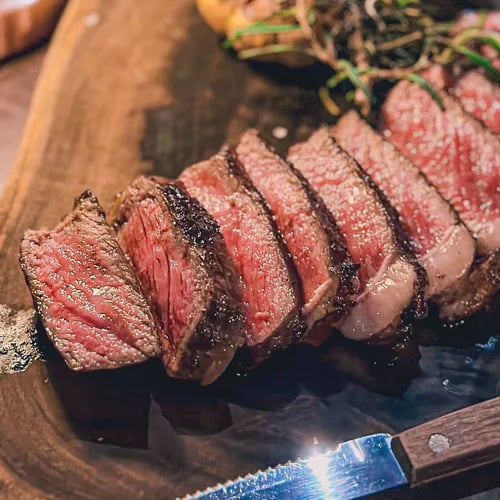
A dry-aging cabinet greets diners at the entrance, setting the carnivorous tone for chef Benny Yeoh's grill-focused kitchen perched on the ninth floor of a design-driven George Town hotel. The menu showcases both dry- and wet-aged beef alongside lamb and duck breast, each cut expertly chargrilled. Attentive service guides newcomers through the premium selections, while the tiramisu provides a worthy finale.

Michelin Selected
Inside an 18th-century mansion on Jalan Macalister, Blanc commands a striking colonial dining room where royal blue walls meet white shutters and a sculptural faux tree rises at center stage. The eight-course tasting menu threads Asian ingredients through each precisely balanced composition, building toward desserts that demand attention. A Michelin Plate holder suited to occasion dining.

Michelin Selected
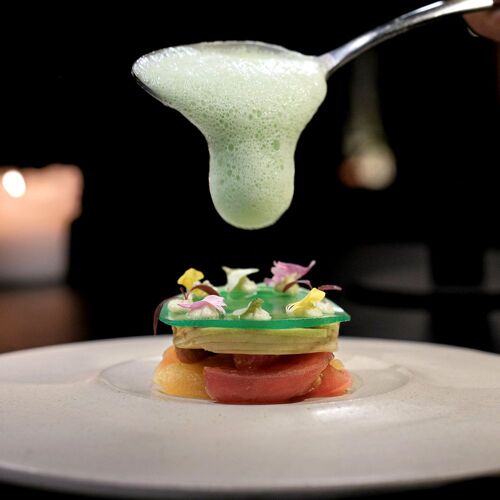
Behind an unmarked façade on Lebuh Victoria lies a moody dining room dressed in wabi-sabi aesthetics, trailing greenery softening raw textures. The kitchen applies European technique to Malaysian ingredients across three rotating set menus that shift every two months. The seven-course option delivers the fullest expression of this Asian Contemporary vision—ideal for curious palates seeking George Town's more secretive tables.

Michelin Selected
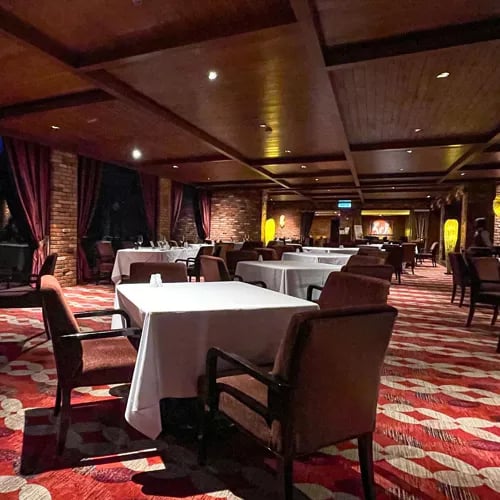
Brick-red curtains frame sweeping ocean views at this Batu Feringgi institution, where old-world romance has drawn a loyal following since 1973. The theatrical tableside preparation of tomato soup—flambéed with gin for aromatic lift—sets the tone for a menu anchored by Australian Wagyu and fresh seafood. A private dining room accommodating twenty makes it equally suited to intimate celebrations.

Michelin Selected
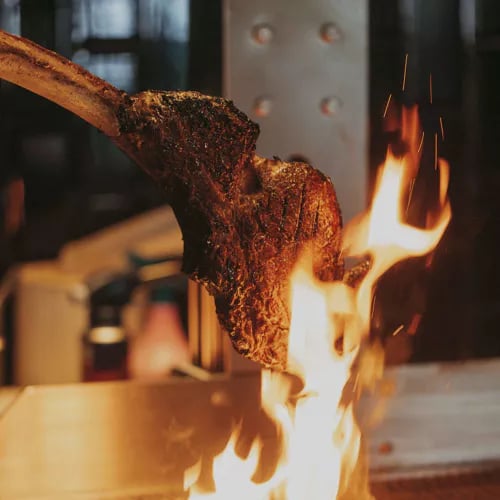
A heritage building with soaring ceilings sets the stage for Firewood's theatrical open-grill cooking, where flames leap behind counter seats that put diners front-row to the action. The Italian menu takes local detours—tiger prawns arrive in a sweet-tangy Nyonya sauce—while serious carnivores pre-order dry-aged steaks. Faux industrial styling plays against the old architecture with confident ease.

Michelin Selected
Named for the Chinese word meaning root, this intimate George Town address channels its chef-owner's childhood memories through a produce-driven tasting menu where local fish takes center stage. Presentations arrive with wit—a silky chicken soup served in a glass bottle—while the thoughtfully assembled wine list leans organic and biodynamic. A Michelin Plate holder suited to adventurous palates seeking nostalgic Malaysian flavors reimagined.

Michelin Selected
A Michelin Plate holder in George Town's heritage quarter, La Vie navigates between European technique and Asian sensibility with quiet confidence. The signature kataifi prawn—tiger prawn swathed in crispy noodles, finished in prawn bisque—demonstrates this dual fluency. Carnivores gravitate toward Australian Wagyu ribeye from the charcoal grill, its char tempered by an unexpected wasabi accompaniment. The mood stays neighbourhood-casual, the cooking anything but.

Michelin Selected
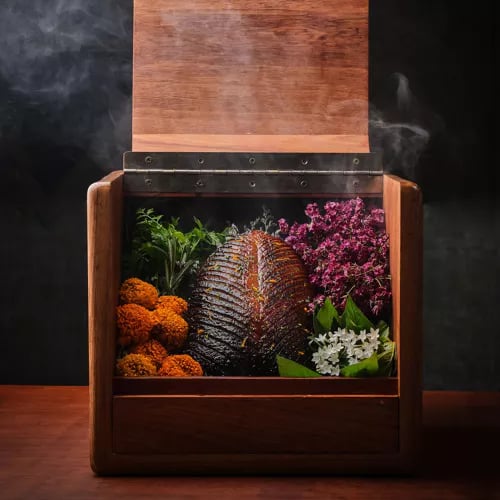
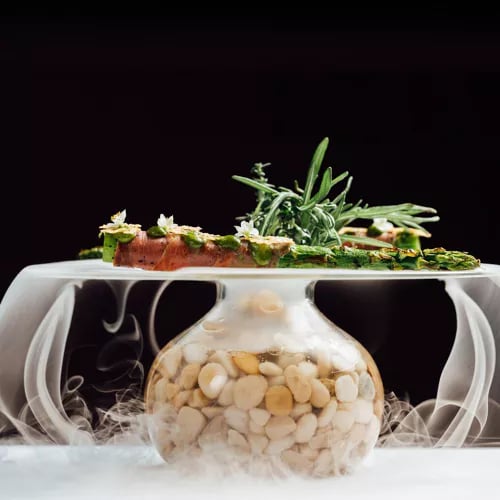
Chef Fung orchestrates a theatrical dining experience at this intimate George Town address, where smoke and dry ice punctuate courses of Asian fusion cuisine rooted in Malaysian tradition. His six- to ten-course tasting menus feature playful moments—notably a crispy flatbread presented on a miniature easel, inviting diners to paint it with five coloured sauces. The atmosphere cultivates a curious tension between familiar and unknown.
What to Do

On a private island cloaked in two-million-year-old rainforest, this celebrated spa draws from Malay, Chinese, and Indian healing traditions. Every treatment opens with a 45-minute Bath House Ritual traversing Asian bathing customs, finishing with a signature Shanghai Scrub. Eight treatment pavilions, dedicated Healing Huts for herbal and Ayurvedic therapies, and 22 overwater villas with direct spa access create an immersive wellness sanctuary.
Frequently Asked Questions
What are the main areas to stay in Penang?
+
George Town offers heritage properties within walking distance of temples, museums, and street food. Batu Ferringhi provides beachfront accommodation along the northern coast. Gurney Drive suits those preferring modern waterfront living with easy access to shopping and hawker centers. Tanjung Bungah sits between the historic core and beach strip, offering a quieter residential atmosphere.
When is the best time to visit Penang?
+
December through February brings the driest weather and coincides with Chinese New Year celebrations that transform George Town with lanterns, lion dances, and special temple ceremonies. The monsoon season from September to November sees afternoon downpours but rarely disrupts travel significantly. Temperatures remain consistently warm year-round, hovering between 27-33°C.
How does Penang's food scene compare to other Malaysian destinations?
+
Penang claims some of Malaysia's most celebrated hawker traditions. Char kway teow originated here, fried over charcoal in well-seasoned woks. Assam laksa — a sour fish-based noodle soup — carries protected geographical status. The island's Nyonya cuisine reflects centuries of Chinese-Malay intermarriage, while Little India along Lebuh Pasar serves banana leaf meals and fresh roti canai from early morning.
Nearby Destinations
Explore Malaysia
George Town
George Town's UNESCO-listed core rewards slow exploration. Clan jetties extend over the water where Chinese fishing communities have lived for generations, their wooden walkways connecting stilted homes and ancestral temples. Along Lebuh Armenian and Lebuh Acheh, restored shophouses now function as intimate hotels, their original tile floors and timber shutters preserved beneath ceiling fans that turn lazily in the tropical heat. The street art that made the old town Instagram-famous — Ernest Zacharevic's children on a bicycle, the boy reaching for a chair — draws crowds, but the real discovery lies in quieter lanes where kopitiam owners still roast their own beans.
Beyond the historic center, Batu Ferringhi stretches along the northern coast, its beach hotels catering to those who want sand and sea alongside their heritage immersion. Gurney Drive and Gurney Paragon represent the city's contemporary face — waterfront promenades, shopping complexes, and condominiums where Penang's professional class gathers for hawker food at the evening market. The island's interior rises sharply to Penang Hill, accessible by funicular, where colonial-era bungalows and a cooler climate offer respite from the coastal humidity.