Century-old frescoes and hand-painted Ottoman murals grace this 1866 landmark in the American-German Colony, now an adults-only retreat with 42 refined rooms—including those in the characterful wooden Villa Drisco. The rooftop terrace offers sea views and a seasonal pool, while George & John delivers creative Israeli-Mediterranean cuisine. Complimentary bicycles provide easy access to Jaffa, Neve Tzedek, and nearby beaches.
Where to Stay
Two meticulously restored 1920s buildings on King Albert Square house this 50-room boutique hotel, their pre-Bauhaus façades concealing hardwood-floored suites and an impressive modern art collection. The rooftop infinity pool offers panoramic views across the city, while Dinings serves Japanese fine dining tapas on the third floor. Penthouse suites with private terraces suit travelers seeking architectural character alongside polished urban luxury.
Architect John Pawson converted a 19th-century French Hospital into this 120-room Jaffa landmark, threading minimalist design through layers of history—including a 13th-century wall that cuts through the lobby. The pool courtyard offers a tranquil retreat from Tel Aviv's intensity, while Don Camillo delivers upscale Italian cooking with New York sensibilities. Stylish bars and a serene spa complete the picture for design-minded travelers.
Nine centuries of history anchor this Jaffa address, where a stone fortress and Ottoman prison have yielded to a five-star urban resort. The rooftop pool—widely considered the city's most alluring—commands sweeping Mediterranean panoramas that justify the pilgrimage alone. Families find thoughtful accommodation in dedicated rooms with extra beds for children, while couples claim the terraces at sunset.
Tel Aviv's oldest continuously operating hotel occupies a 1925 landmark designed by Yehuda Magidovitch, its dusky pink façade and distinctive dome instantly recognizable. The 20 rooms layer antique furnishings with contemporary art and modernist pieces across generous parquet-floored spaces. Beneath the iconic dome, a spa treatment room and jacuzzi await; above, a rooftop terrace offers sunset views and complimentary wine. A resident cat completes the picture.
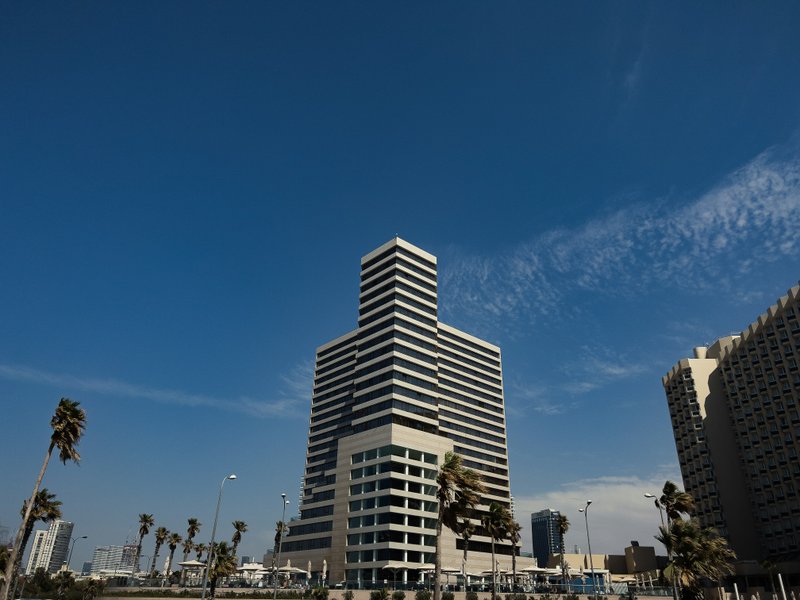
Overlooking Charles Clore Park, the Dan Panorama positions first-time visitors within easy reach of the White City's Bauhaus treasures. An outdoor pool offers respite when the beach crowds swell, while the kosher breakfast buffet draws consistent praise. Families benefit from holiday daycare programs, interconnecting rooms, and complimentary cots—practical touches that make extended stays with children notably smoother.
A restored 1922 landmark on a tree-lined street, Hotel Montefiore pioneered Tel Aviv's boutique scene and remains its most stylish address. Each room doubles as a private library, walls lined floor-to-ceiling with books, while black marble bathrooms add theatrical polish. Downstairs, a jazz-scored brasserie draws the city's creative elite nightly—decidedly adults-only, unapologetically glamorous.
Tucked into a quiet residential street on Tchernikhovski, Hotel Saul channels a nostalgic yet contemporary spirit that resonates with design-conscious urbanites. The boutique property keeps rooms compact but cleverly appointed, each equipped with complimentary Netflix for downtime between exploring nearby attractions. Families benefit from available cots and childcare services, while the overall aesthetic delivers genuine character without demanding a premium budget.
Every surface of The Vera Hotel bears the fingerprints of Tel Aviv's contemporary creative scene—local artists and suppliers shaped this industrial-chic boutique from foundation to finish. Guests retreat to an exclusive bi-level rooftop lounge where Israeli wines flow freely from a complimentary dispenser. The hotel welcomes families with thoughtful provisions for children, making it a rare design-forward choice for traveling parents.
Schlomo Liasowski's 1930s Bauhaus landmark receives a jolt of contemporary energy through Karim Rashid's interiors, where sinuous forms and saturated hues play against the building's austere white geometry. The rooftop pool and bar command views across the White City, while ground-level life unfolds in a garden café. Forty compact rooms, a sauna, jacuzzi, and pet-friendly policy suit design-conscious travelers seeking Tel Aviv's creative pulse.
What to Do
Housed within the historic 1866 walls of The Drisco, Daria Spa channels Tel Aviv's layered past into a contemplative wellness retreat. The ritual begins in a pre-treatment lounge with herbal infusions and a therapist consultation, setting the stage for Swedish massage, hot stone therapy, or aromatherapy sessions. A 24-hour gym with contemporary equipment rounds out the offering for guests seeking both restoration and activity.
Frequently Asked Questions
Which neighborhoods offer the best hotel locations in Tel Aviv?
+
HaYarkon Street and the beachfront promenade concentrate most major properties with direct sea access. Neve Tzedek suits those seeking boutique scale and pedestrian-friendly lanes. Jaffa appeals to travelers wanting historic architecture and quieter evenings, while the Rothschild Boulevard area places you within walking distance of cafés, museums, and the Carmel Market.
How does Shabbat affect hotel and restaurant availability?
+
From Friday afternoon until Saturday evening, most restaurants, shops, and public transport shut down. Hotels remain open and many offer Shabbat meals, but options outside the property become limited. Secular neighborhoods like Florentin maintain some café activity. Saturday night marks a citywide reopening — restaurants fill quickly, so booking ahead is advisable.
When is the best season to visit Tel Aviv?
+
Spring (March to May) and autumn (September to November) bring warm days, comfortable evenings, and fewer crowds. Summer is hot and humid but lively, with beach culture at its peak. Winter remains mild by European standards — daytime temperatures around 17°C — though occasional rain and wind can interrupt outdoor plans.
Tel Aviv spreads along fourteen kilometers of Mediterranean coastline, a city built on sand dunes that rose from the Ottoman port of Jaffa just over a century ago. The White City — some four thousand Bauhaus and International Style buildings erected by German-Jewish architects in the 1930s — earned UNESCO recognition and gives entire neighborhoods their low-rise, balconied character. Rothschild Boulevard anchors the center with its kiosk cafés and Eclectic-era mansions, while Neve Tzedek, the first Jewish quarter outside Jaffa's walls, now hosts galleries and restored stone courtyard homes.
Hotels cluster along HaYarkon Street facing the promenade, from the port area south to Charles Clore Park. Jaffa's ancient alleyways offer a slower pace: flea-market finds, artist studios, and Ottoman-era buildings converted into intimate properties. The dining scene follows the seasons — spring brings strawberries from the Sharon Plain, summer means watermelon and fresh almonds — and kitchens draw on Levantine, North African, and Eastern European traditions. Shabbat transforms the rhythm: most places close Friday afternoon, the streets empty, then Saturday night erupts with reopened bars and crowded boulevards.