


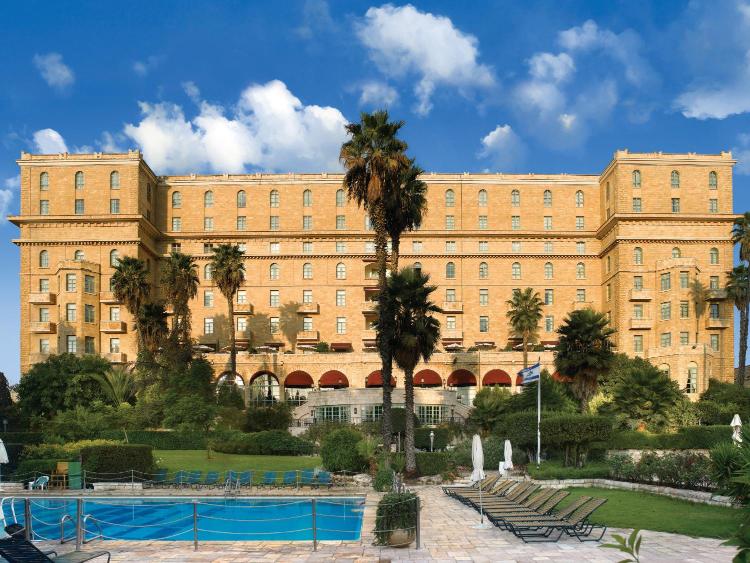
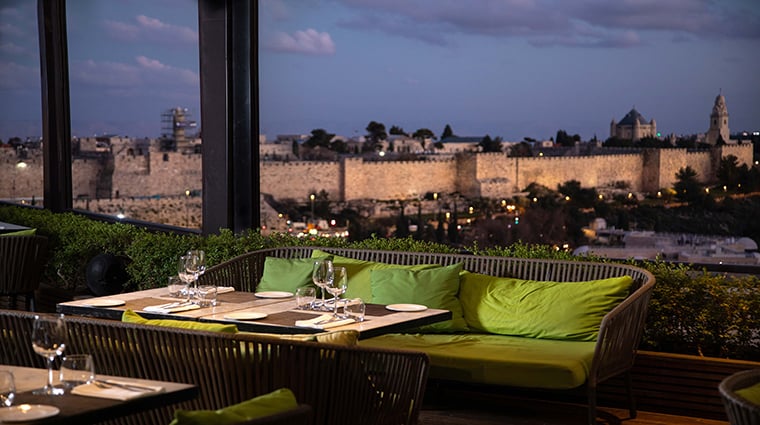
Panoramic views of the Old City unfold from this landmark address on King David Street, where elegant interiors and spacious rooms have welcomed dignitaries from Barack Obama to Kirk Douglas. A fine dining restaurant anchors the culinary offer, while a children's pool and play area make it equally suited to traveling families seeking Jerusalem's most storied accommodations.
Jerusalem Travel Guide: Best Hotels, Restaurants & Experiences 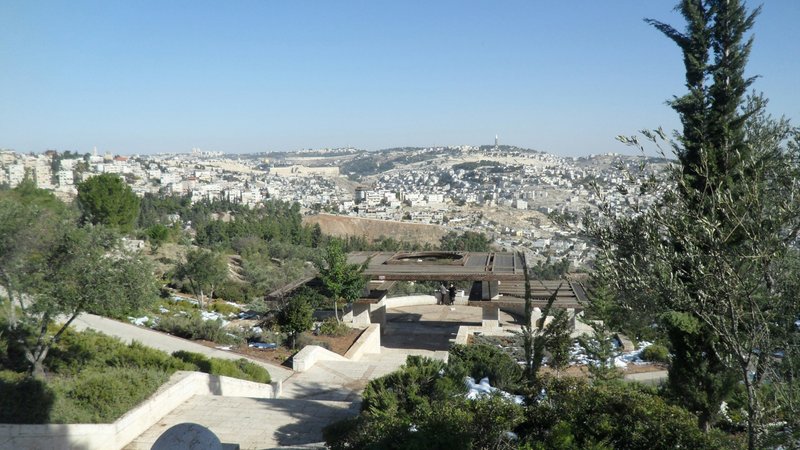
Explore Jerusalem
Hotels (3)
Spa (2)
Where to Stay

A romantic stone villa in Ein Kerem, the forested valley sacred to Christian pilgrimage, Alegra occupies terrain where ancient springs feed orchards visible from its rooftop terrace bar. Thirteen rooms feature exposed stone walls and free-standing marble baths; Signature Suites add vaulted ceilings draped in Oriental rugs and weathered leather. Chef Amir Na'or's intimate Chef's Table dinners, paired with selections from the wine cellar, reward adults-only guests seeking seclusion minutes from Jerusalem's center.

Forbes Five-Star
Moshe Safdie's horseshoe-shaped silhouette rises in rough-hewn Jerusalem limestone, its arched entryways and terraced gardens echoing the ancient walls just beyond. Inside, Piero Lissoni's interiors pair local stone with herringbone floors across 384 rooms, nearly all offering private balconies facing the Old City. The heated pool overlooks millennia of history, while Spa by Akasha provides a cool counterpoint to days spent exploring the city's layered streets.

Forbes Five-Star
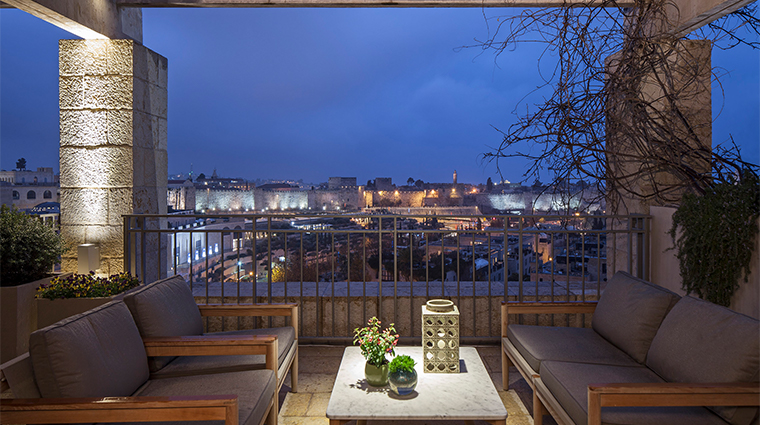
Minimalist interiors and glass-encased soaking tubs define the 194 rooms at this Mamilla Avenue address, steps from the Old City walls. The Akasha Spa features a private hammam and watsu pool; the on-site winery pours rare Israeli vintages alongside olive oil tastings. Evenings gravitate toward the candlelit Mirror Bar or the rooftop terrace, where flame-grilled lamb arrives with panoramic views of ancient stone.

Forbes Five-Star
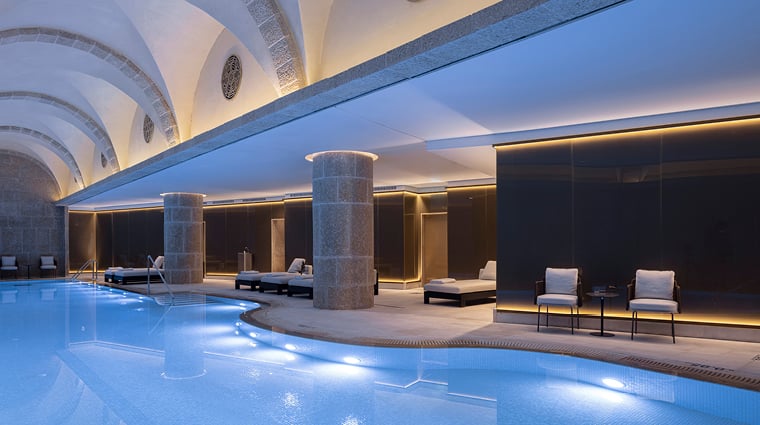
Rising from the foundations of the 1920s Palace Hotel, the Waldorf Astoria preserves Jerusalem stone walls and arabesque windows while Turkish designer Sinan Kafadar's art deco interiors bring contemporary polish. A glass-roofed lobby opens to desert sky during Sukkot; below ground, a vaulted pool glows beneath sandstone arches. The Guerlain Spa—Israel's only outpost for the French house—draws wellness devotees seeking exclusivity steps from the Old City gates.

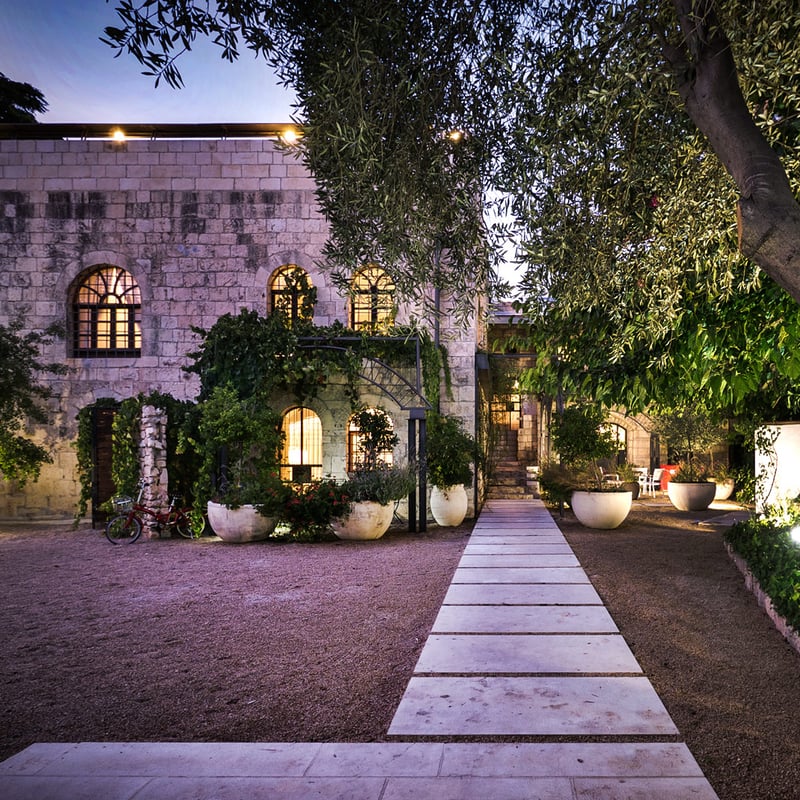
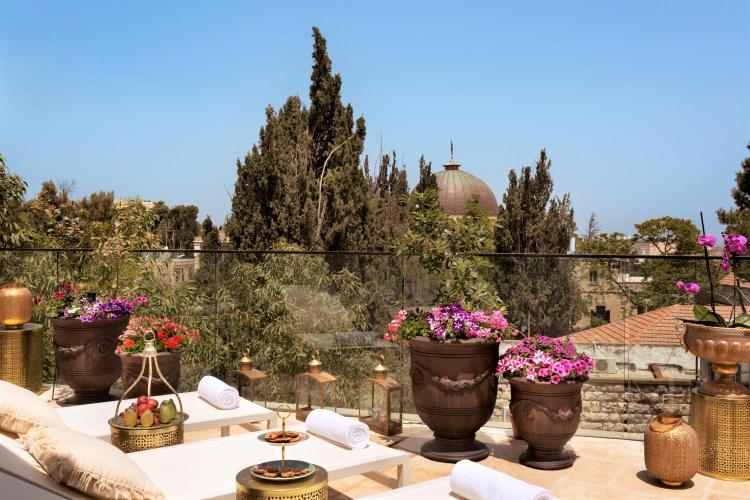
A nineteenth-century Ottoman villa on Ha'Neviim Street houses this intimate boutique retreat, its interiors weaving British refinement with Arabic decorative traditions. Beyond the sun-drenched garden, a rooftop terrace offers hot tub soaks and loungers overlooking Jerusalem's skyline. With limited rooms and an atmosphere calibrated for romance rather than family stays, Villa Brown suits couples seeking historical character and quiet urban refuge.

Small Luxury Hotels
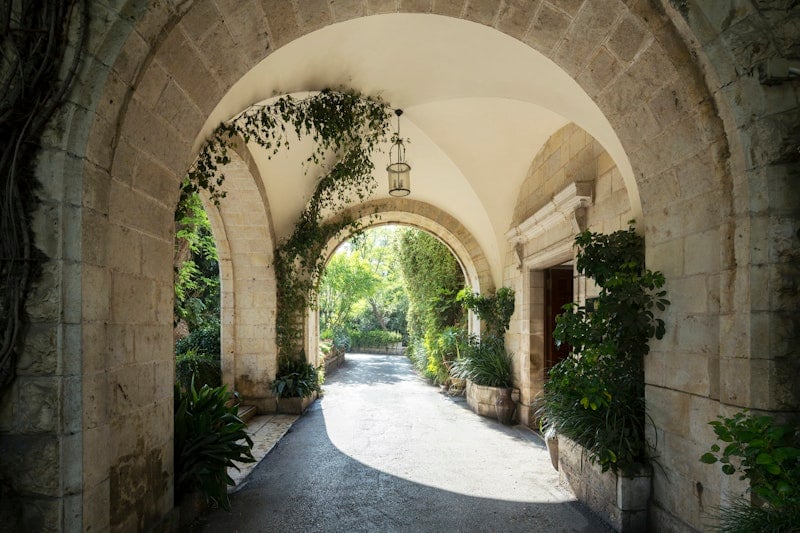
Ottoman arches and creamy Jerusalem stone walls frame hidden courtyards fragrant with gardens at this former American-Swedish commune turned sanctuary. Summer suites open onto shaded terraces while vaulted-ceiling winter rooms cocoon guests in Italian Frette linens and Acqua di Parma amenities. A courtyard pool, spa, and well-stocked wine cellar reward travelers seeking refuge after exploring the Old City's ancient quarters.
What to Do

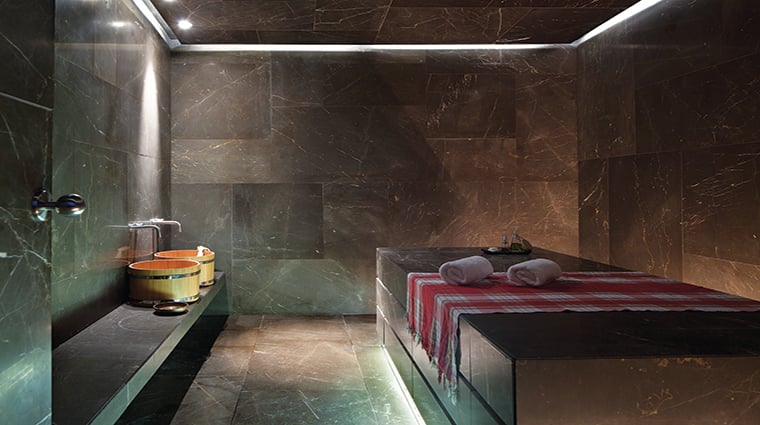
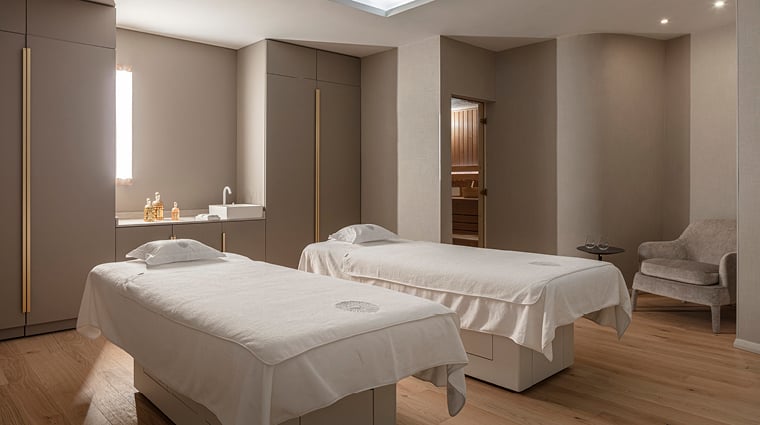
Beneath the ancient streets, vaulted stone arches frame an intimate wellness retreat where an award-winning team delivers personalized treatments with notable expertise. The Domus Zamittello room anchors the experience with signature sea water rituals alongside nourishing facials and therapeutic massages. This subterranean sanctuary provides complete disconnection from the city above, appealing to travelers seeking refined restoration in a historically resonant setting.

Israel's sole sanctuary dedicated to Guerlain's Parisian formulations since 1828, this 1,400-square-meter retreat channels Jerusalem's architectural heritage through local stone and polished marble. Nine treatment rooms equipped with Gharieni beds deliver signature rituals like the hot-stone "Harmony in Jerusalem" and the tension-releasing Crown Ritual for hair. A 28-meter heated pool, twin Turkish hammams, and dry saunas complete the urban wellness circuit.
Frequently Asked Questions
Which Jerusalem neighborhoods are best for hotel stays?
+
The Mamilla district offers walkable access to the Old City with modern amenities. The German Colony along Emek Refaim provides a quieter residential atmosphere with cafés and restaurants. For immersive historic stays, properties inside the Old City walls place you within the ancient quarters themselves, though streets are pedestrian-only and access requires navigating stone pathways.
How does Shabbat affect hotel services in Jerusalem?
+
From Friday sundown to Saturday evening, many hotels operate with reduced services — automatic elevators, pre-set lighting, and limited dining options. Front desks remain staffed, but some amenities pause. Hotels in secular neighborhoods like the German Colony or those catering to international guests typically maintain fuller service throughout Shabbat.
What is the best season to visit Jerusalem?
+
Spring (March to May) brings mild temperatures, wildflowers, and the city's liveliest festival calendar around Passover and Easter. Autumn (September to November) offers similar comfort with Jewish High Holiday observances adding cultural depth. Summer means intense dry heat but also rooftop evenings and extended daylight for exploring. Winter brings occasional rain, rare snow, and far fewer crowds at major sites.
Nearby Destinations
Explore Israel
Jerusalem
The hotel landscape here divides between the walled Old City and the leafy streets of West Jerusalem neighborhoods like Rehavia, Talbieh, and the German Colony. Within the ramparts, centuries-old buildings have been converted into intimate properties where limestone corridors lead to rooms overlooking the Western Wall or the Church of the Holy Sepulchre. Outside the walls, the Mamilla district offers contemporary design hotels steps from the Jaffa Gate, while Ein Kerem — a village of artists and monasteries on the city's southwestern edge — provides rustic seclusion.
Properties in the German Colony occupy Templar-era stone houses along Emek Refaim Street, mixing preservation architecture with modern comforts. The emerging scene around Mahane Yehuda market brings a grittier energy, with newer hotels placing guests within earshot of vendors and late-night bars. Shabbat observance shapes the rhythm of many establishments — expect Friday evening quiet and services resuming Saturday night. Summer brings dry heat and rooftop breakfasts; winter means crisp mornings and the possibility of snow dusting the Dome of the Rock.