A 50-minute ferry from Singapore delivers guests to Bintan Island, where The Sanchaya spreads across 24 beachfront acres with just 30 villas and suites. Colonial architecture frames a 50-metre infinity pool, while interiors layer Indonesian antiques with crisp black-and-white design. The spa draws on Balinese massage traditions; evenings unfold in a colonial-era wine cellar stocked with thousands of bottles for sommelier-led tastings.
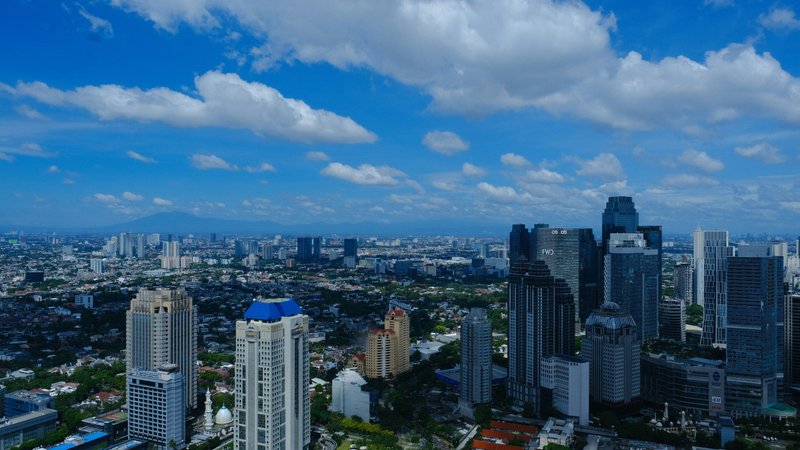
Rising sixty-five stories above the Sudirman Central Business District, The Langham brings European grandeur to Jakarta's skyline. The lobby's bespoke Lasvit chandelier—3,000 glass butterflies evoking Indonesian rainforest species—sets the tone for theatrical luxury. Dining spans Tom Aikens' art deco brasserie with its bronze spiral staircase to T'ang Court, sibling of Hong Kong's three-starred original. The 63rd-floor heated pool, Jakarta's highest, offers panoramic immersion for travelers seeking polished urban retreat.
Alexandra Champalimaud's interiors channel Jakarta's spice-trading past through gilded accents, statement chandeliers, and an impressive Indonesian art collection — a larger-than-life gamelan ensemble greets arrivals at the entrance. The 125 suites average 660 square feet with marble bathrooms and standalone tubs. Bill Bensley's resort-style pool, ringed by frangipani and fire torches, and a spa with futuristic vibrational-therapy loungers complete the picture for business travelers seeking polished refuge.
Forty-five minutes by catamaran from Singapore, Banyan Tree Bintan scatters Balinese-style villas through virgin rainforest, each with private jacuzzi or pool and views toward the South China Sea. The spa ranks among Asia's finest, devoted entirely to passive indulgence rather than fitness regimens. Between treatments, guests drift toward excellent Thai cuisine or venture out for golf, scuba diving, and windsurfing along pristine shores.
Each evening, custom chandeliers dance to compositions by Indonesian musician Andi Rianto before the ritual champagne sabering—a theatrical signature at this Golden Triangle address. Design studios behind La Mamounia and The Peninsula Paris shaped interiors where Art Deco lines meet hand-dyed local fabrics. J.J.A. delivers Miyazaki wagyu; the St. Regis Bar showcases Eddy Susanto's wayang-meets-jazz mural alongside a Batavia Mary spiked with Balinese arak.
A gleaming tower in Jakarta's Golden Triangle, Raffles Jakarta doubles as a gallery for Indonesian master Hendra Gunawan, whose monumental canvases dominate the lobby and a dedicated museum space. The spa ranks among the brand's most comprehensive worldwide, while the Writers Bar channels its Singapore predecessor. Families benefit from a complimentary kids club and generously sized rooms; culture seekers can walk directly into the adjoining Ciputra Artpreneur theatre complex.
Perched atop Luminary Tower, one of Indonesia's tallest buildings, this 158-room property delivers vertical luxury with understated confidence. Hirsch Bedner Associates dressed the interiors in white walls, warm wood, and blue accents—a minimalist palette that lets the altitude speak. The 71st-floor lap pool frames the city through steel cross-bracing, while the 90th floor hosts Keyaki, where Kyoto-born chef Kunihiro Moroi serves salmon sashimi in crisp monaka wafers alongside Eden's botanical cocktail bar.
Park Hyatt Jakarta rises in Menteng with the kind of polished restraint the brand has perfected worldwide. An outdoor pool offers respite from the capital's heat, while the spa and fitness classes cater to wellness-focused travelers. Multiple restaurants and a bar keep guests on-site, and 24-hour room service ensures late arrivals never go hungry. A refined urban base for business or leisure.
Occupying four floors of a glass tower in the Sudirman Central Business District, this intimate 62-room property delivers boutique refinement at metropolitan scale. Entry-level quarters span over 700 square feet, each bathroom fitted with window-side tubs and Japanese electronic toilets. The eighth-floor pool terrace — complete with shingled gazebos and a Sustainability Sanctuary where stingless bees produce honey — offers genuine respite for business travelers seeking polish without sprawl.
Twenty bamboo villas curve across this adults-only private island in the Riau archipelago, each crowned with a droplet-shaped pool overlooking the ultramarine South China Sea. Rugged golden beaches give way to dense rainforest alive with wildlife, while the property's rigorous sustainability ethos shapes every detail. The experience suits couples seeking tropical seclusion with genuine ecological consciousness—guests must be sixteen or older.
Frequently Asked Questions
Which Jakarta neighborhoods offer the best hotel locations?
+
Menteng provides tree-lined residential calm with heritage character, ideal for travelers seeking respite from urban intensity. The SCBD and Sudirman corridor suits business travelers and those wanting direct access to upscale shopping at Pacific Place and Plaza Indonesia. Kemang appeals to creative travelers with its galleries and cafés, while Kota Tua offers atmospheric proximity to colonial-era landmarks and the emerging creative district of Glodok.
What is the best time of year to visit Jakarta?
+
The dry season from May through September brings lower humidity and fewer afternoon downpours, making outdoor exploration more comfortable. June through August sees the most pleasant conditions. The wet season from November to March brings daily tropical storms, typically in late afternoon — dramatic but brief. Hotel rates often drop during this period, and the rain rarely disrupts indoor activities or evening plans.
How do Jakarta's hotels accommodate airport transfers?
+
Soekarno-Hatta International Airport sits roughly 25 kilometers northwest of central Jakarta, with travel times ranging from forty minutes to over two hours depending on traffic conditions. Most premium properties arrange private car transfers, and some offer helicopter services to bypass notorious congestion. The airport rail link to Sudirman Baru station provides a reliable alternative, connecting to the central business district in approximately 45 minutes regardless of road conditions.
Indonesia's sprawling capital unfolds across the northern coast of Java, a megalopolis of thirty million where Dutch colonial architecture stands alongside glass towers and kampung neighborhoods pulse with local life. The city's hotel scene clusters around distinct districts: Menteng offers leafy boulevards and heritage mansions converted into intimate properties, while the SCBD corridor in Sudirman delivers corporate towers with executive floors and infinity pools overlooking the city's relentless energy. Kemang draws a younger crowd with its galleries and converted warehouse spaces, and the old town of Kota Tua provides atmospheric settings near the remnants of Batavia.
Jakarta rewards those who look beyond first impressions. Morning light filters through the art deco windows of Cikini's cultural quarter, where traditional batik workshops neighbor contemporary art spaces. The dining scene runs from family-run warungs serving rendang and soto betawi to ambitious restaurants helmed by chefs trained across Asia and Europe. Rooftop bars command views of a skyline that transforms nightly, while the historic Pasar Baru district maintains trading traditions dating to the nineteenth century. The tropical climate shapes daily rhythms — afternoon thunderstorms give way to cooler evenings when the city's social life truly begins.