


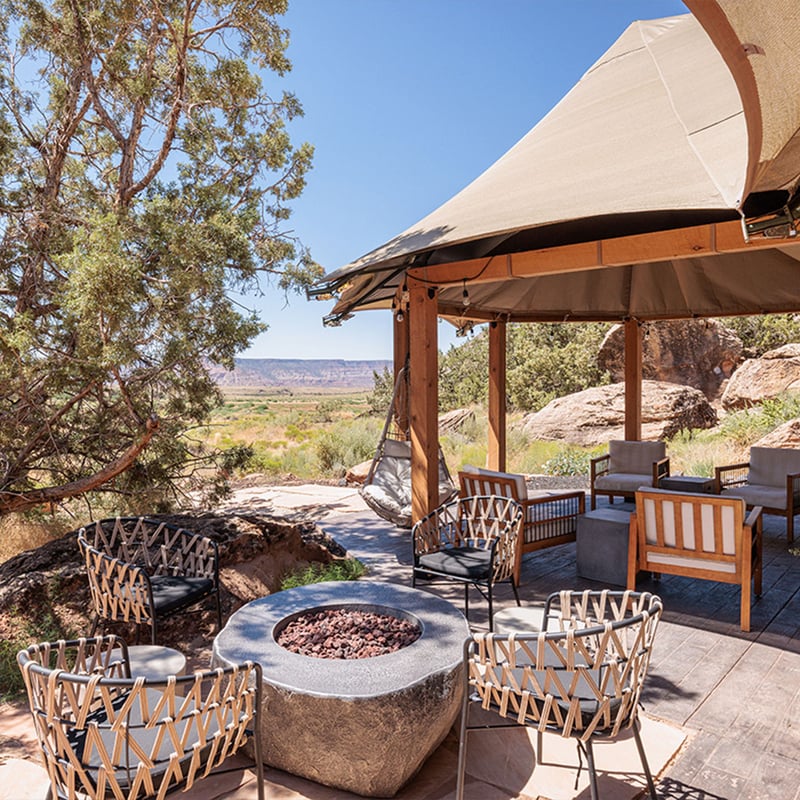
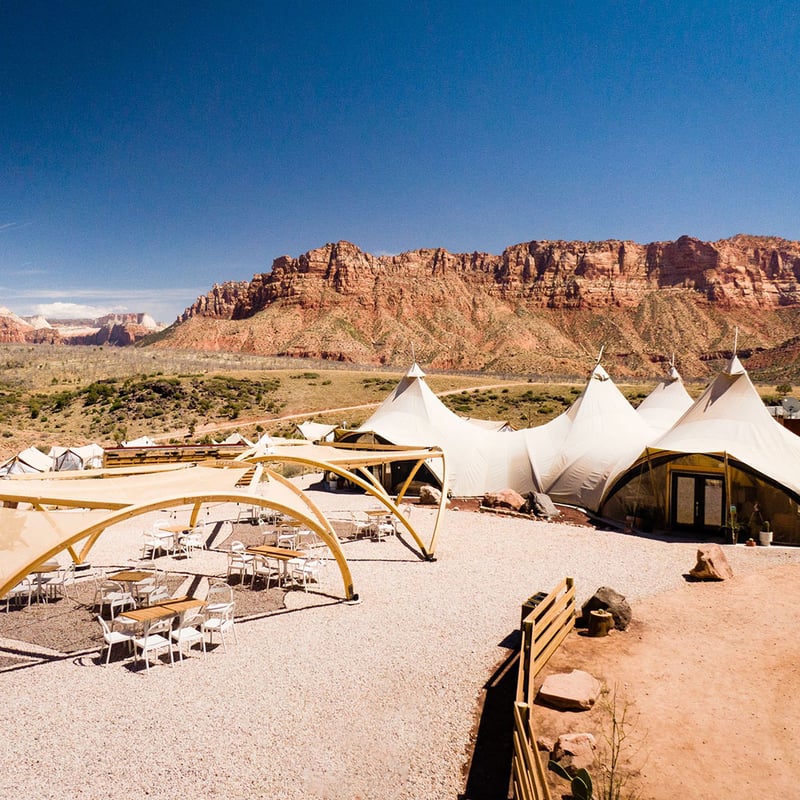
Twelve safari-style canvas tents, crafted in South Africa and elevated on platforms, survey 80 acres of red rock wilderness near Zion's western border. The Star Seeker camp draws the eye upward through its glass-ceilinged stargazing lounge, while heated bathroom floors and outdoor showers ground guests in creature comforts. Five miles of private trails lead to Black Sage restaurant, where locally sourced dinners complement the canyon views.
Zion National Park Travel Guide: Best Hotels, Restaurants & Experiences 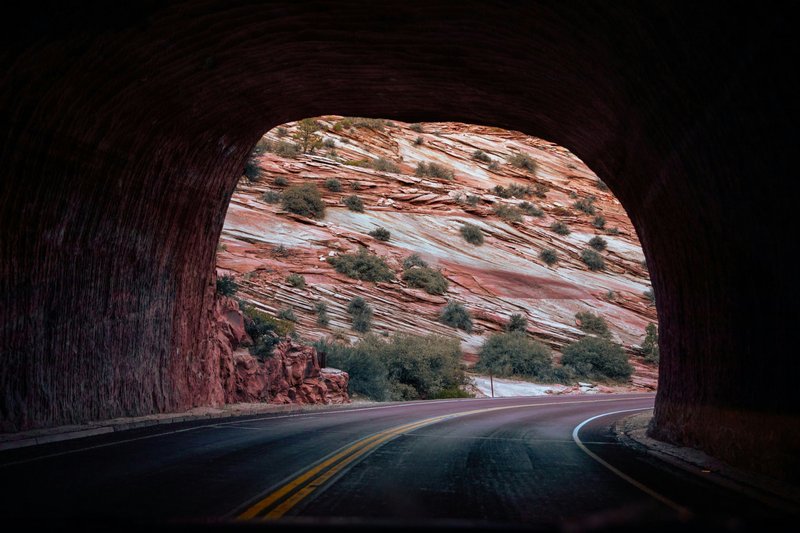
Explore Zion
Hotels (4)

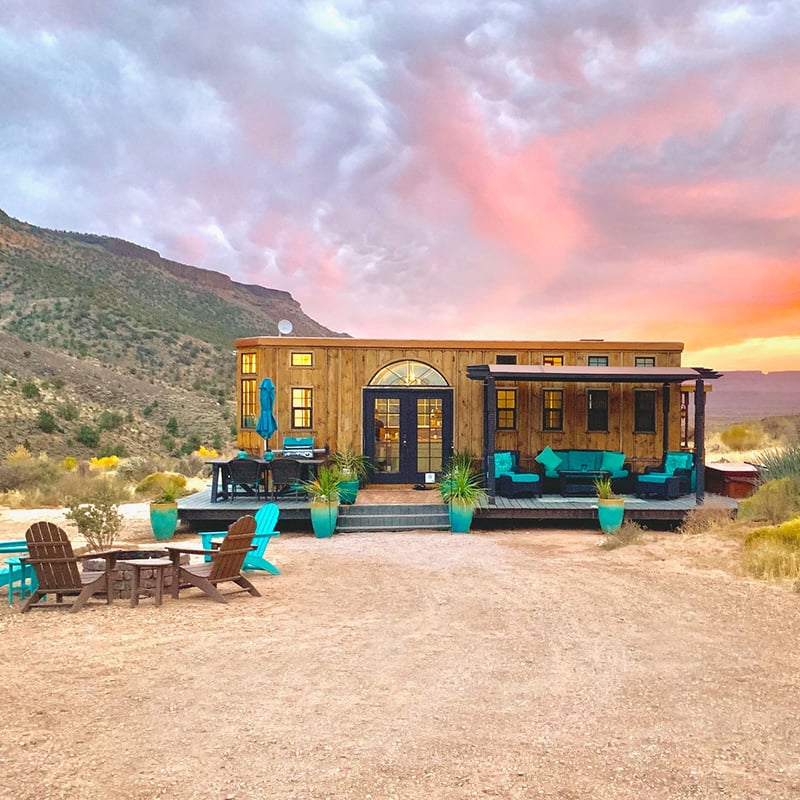
Four freestanding tiny houses perch on individual platforms along Kolob Terrace Road, each a self-contained retreat ranging from 289 to 488 square feet. Units bear evocative names—Guardian Angel, King Solomon—and come equipped with private hot tubs and fire pits for starlit evenings after days spent exploring the canyon trails. The intimate four-unit property suits adventurers seeking comfort without sprawl at Zion's doorstep.

Forbes Five-Star
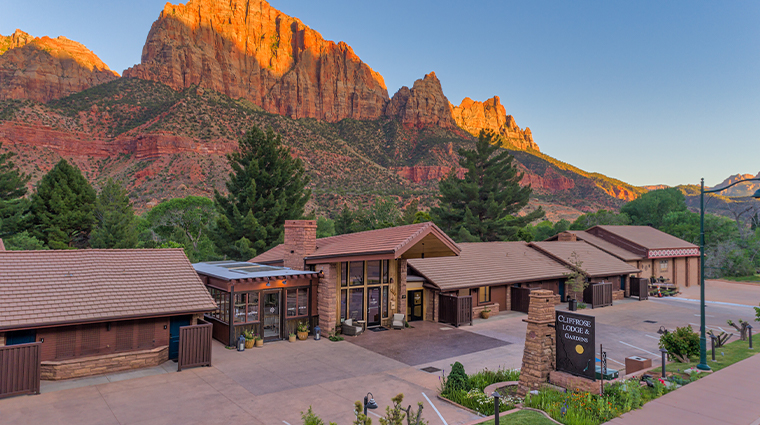
Perched along the Virgin River barely 200 yards from Zion's entrance, this 53-room retreat wraps itself in rock and timber that echo the canyon's sandstone walls. Grand View Villas frame the Watchman peak through floor-to-ceiling glass, while the year-round riverside pool and waterfall hot tub offer respite after trail days. The Five Petals Spa's 90-minute Essential Weeping Rock Massage completes the recovery ritual for serious hikers.

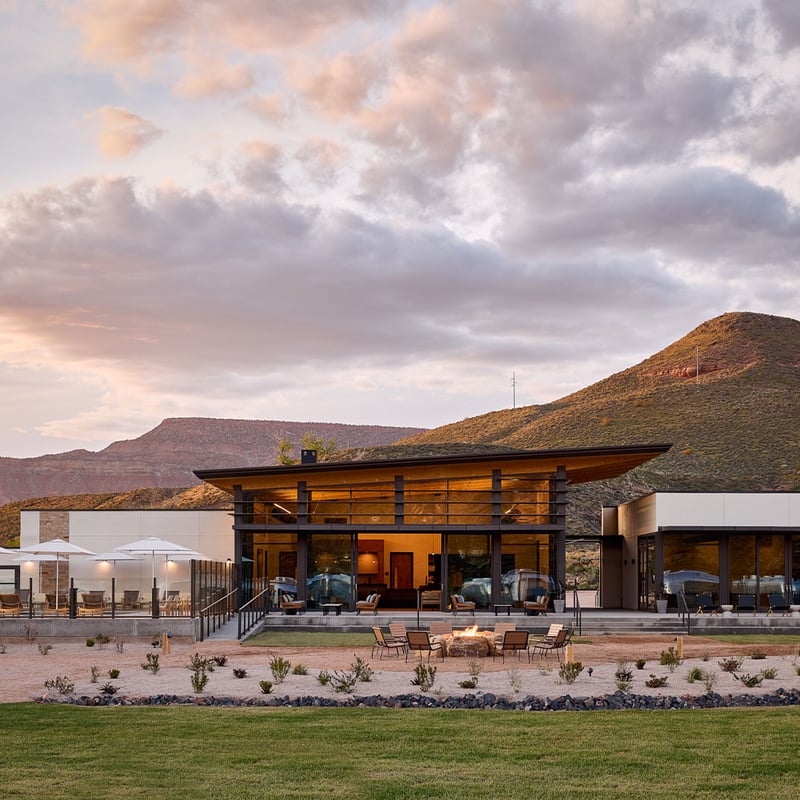
Seventy-two polished Airstream trailers arc across sixteen acres of red rock terrain, each fitted with rain showers, kitchenettes, and private firepits for evening grilling. Larger basecamps pair the silver campers with canvas tents, sleeping up to six. A glass-walled clubhouse anchors the property, serving comfort food classics while picture windows frame the sandstone cliffs beyond. Ideal for families and groups seeking outdoor immersion with modern comforts.

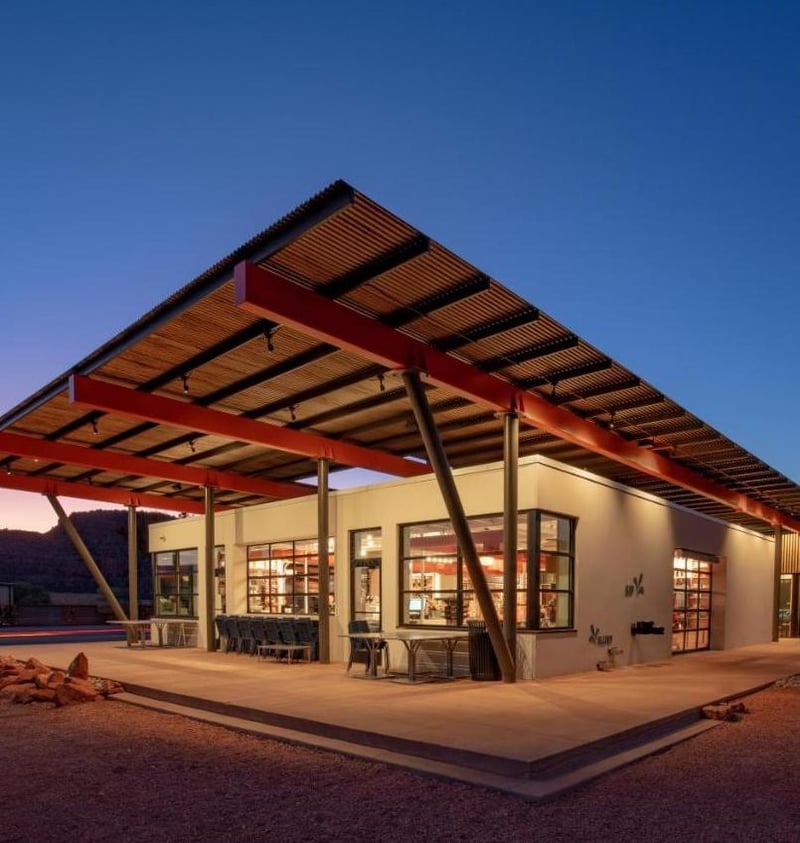
A forty-room property doubling as an animal sanctuary, Best Friends Roadhouse welcomes dogs of any temperament with dedicated grooming stations and on-site laundry. The minimalist interiors maintain a calm, uncluttered aesthetic, while the Mercantile serves entirely vegan breakfast and coffee. Gardens surround the building, and EV charging adds practical appeal for road-trippers exploring the parks with four-legged companions.

Spread across 200 acres of high desert beneath Zion's crimson cliffs, this glamping compound offers 66 safari-style tents fitted with king beds, en-suite bathrooms, and wood-burning stoves. Stargazer accommodations feature retractable skylights for unobstructed views of the night sky. A dedicated coordinator arranges excursions along the park's hundred-plus miles of trails, while evenings center on campfire s'mores and seasonal menus showcasing local produce.
Frequently Asked Questions
When is the best season to visit Zion National Park?
+
Spring (March–May) and fall (September–November) offer mild temperatures ideal for hiking, with fewer crowds than summer. Wildflowers bloom along the canyon floor in April, while autumn cottonwoods turn gold along the Virgin River. Winter brings solitude and occasional snow dustings on the upper cliffs, though some trails may be icy.
How does the Zion Canyon shuttle system work?
+
From March through November, private vehicles cannot enter Zion Canyon Scenic Drive. A free shuttle runs from the Springdale transit stops through the visitor center and up to the Temple of Sinawava trailhead. Many Springdale hotels offer direct shuttle access, eliminating parking concerns entirely.
What distinguishes Springdale from other gateway towns in the American Southwest?
+
Springdale functions almost entirely as a park-oriented community rather than a general tourist strip. The town banned chain restaurants and enforces architectural guidelines, resulting in locally owned galleries, outfitters, and restaurants housed in buildings that complement rather than compete with the canyon walls rising directly behind them.
Nearby Destinations
Explore USA



Zion
Utah's first national park occupies a dramatic corridor where the Virgin River has spent millions of years carving through Navajo sandstone, creating walls that glow amber and vermillion as the sun shifts. Springdale, the gateway town strung along the park's southern boundary, concentrates most accommodation options within walking distance of the visitor center shuttle. The town maintains strict dark-sky ordinances, and properties here trade neon signs for adobe facades that echo the surrounding geology.
Beyond Springdale, the area around Virgin and Rockville offers quieter alternatives with unobstructed mesa views. East of the Zion-Mount Carmel Tunnel, the landscape shifts to slickrock and ponderosa pine, where a handful of properties cater to travelers exploring the park's less-trafficked eastern reaches. The region's Mormon pioneer heritage surfaces in the architecture — sandstone blocks, wide porches — while newer builds favor sustainable design that minimizes visual intrusion on the canyon panorama.