Eight suites occupy a century-old former hardware store on McMinnville's tree-lined Third Street, each named for an Oregon river and fitted with fireplaces, deep soaking tubs, and private terraces. Vineyard owners converted the exposed-brick building into a gateway for Willamette Valley wine exploration, with Ōkta—chef Matthew Lightner's farm-driven restaurant downstairs—ranking among the region's most sought-after tables. Hot-air balloon flights and vineyard tours complete the oenophile itinerary.
Explore Willamette Valley
Where to Stay
McMinnville's Oregon Trail heritage meets contemporary design at this 36-room boutique property, where accommodations span compact Micro Studios to a full penthouse suite. Cypress restaurant merges Mediterranean techniques with Northwestern ingredients, while a fleet of cruiser bikes encourages exploration of the surrounding Willamette Valley vineyards. The pet-friendly address suits wine-focused travelers seeking polished comfort without big-city formality.
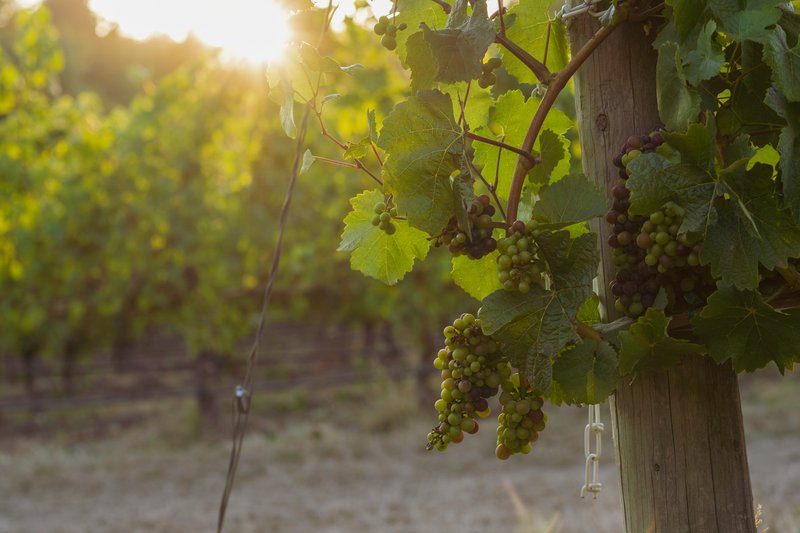
Pinot noir vines climb the 35-acre hillside surrounding this Gold-LEED certified retreat, Oregon's sole full-service luxury property in wine country. The signature restaurant JORY draws from an onsite half-acre garden and pours from an 800-label cellar, while the spa incorporates local grapes into its wine facial treatments. Over 200 wineries lie within twenty minutes, making this the natural base for serious oenophiles.
The reception desk at this downtown Eugene property doubles as a shrine to running history, displaying dozens of vintage Nike shoes from the founder's personal collection—a fitting tribute to TrackTown USA. Rooms channel Pacific Northwest character through wood grain textures and Ducks-green palettes, while the Trophy Room bar celebrates the university's athletic legacy. Animal House stills and duck mascots complete the collegiate atmosphere for sports-minded travelers.
Eight rooms occupy this contemporary retreat on Oregon Route 240, where platform beds and hardwood floors channel modernist restraint against a backdrop of rolling vineyards. Mornings begin with European-style breakfast delivered to the room; afternoons drift between the bocce court and croquet lawn, both commanding sweeping agricultural views. A refined base for couples exploring Willamette Valley's celebrated wineries.
Where to Eat
Named for the volcanic Jory soil that shapes Willamette's terroir, this 100-seat dining room gazes through floor-to-ceiling windows onto hazelnut orchards and pinot noir vines. Chefs harvest daily from a half-acre kitchen garden, supplementing plates with produce from local farms and artisan cheese makers. The 850-label wine list—featuring over a hundred Oregon pinots—anchors an experience built entirely around regional provenance.
What to Do
Oregon's first vinotherapy spa occupies 15,000 square feet of light-filled space in Willamette Valley, with three relaxation lounges opening onto terraces overlooking the wine country. Treatments draw from the surrounding terroir: facials incorporate honey and local wine, while body rituals feature biodynamic peppermint and rosehips grown in the Pacific Northwest. The perfect interlude between vineyard visits.
Housed within a restored century-old brick building in McMinnville, Tributary Spa operates as a deliberate counterpoint to urgency—a sanctuary calibrated for slowness amid Willamette Valley's celebrated Pinot Noir vineyards. The wellness program pairs sauna sessions and massage treatments with yoga and Pilates, while a fitness room rounds out the offering. Guests benefit from the property's regenerative farm, which supplies the adjacent ōkta kitchen with daily produce.
Frequently Asked Questions
What wine varietals is the Willamette Valley best known for?
+
Pinot Noir dominates, representing roughly two-thirds of plantings. The valley's cool climate and long growing season also produce exceptional Pinot Gris, Chardonnay, and Riesling. Some winemakers have found success with Gamay Noir and Pinot Blanc as well.
When is the best time to visit for wine tasting?
+
Late September through October brings harvest activity and crush celebrations. Late spring offers mild weather and fewer crowds, with wildflowers blooming between vine rows. Winter visitors can often secure private tastings and meet winemakers who are less busy between vintages.
How do the Dundee Hills differ from other Willamette Valley sub-regions?
+
The Dundee Hills feature distinctive red volcanic Jory soil, producing Pinot Noir with pronounced red fruit and earthy undertones. The Eola-Amity Hills to the south receive more wind from the Van Duzer Corridor, yielding wines with higher acidity. The Chehalem Mountains offer greater elevation and soil diversity.
Nearby Destinations
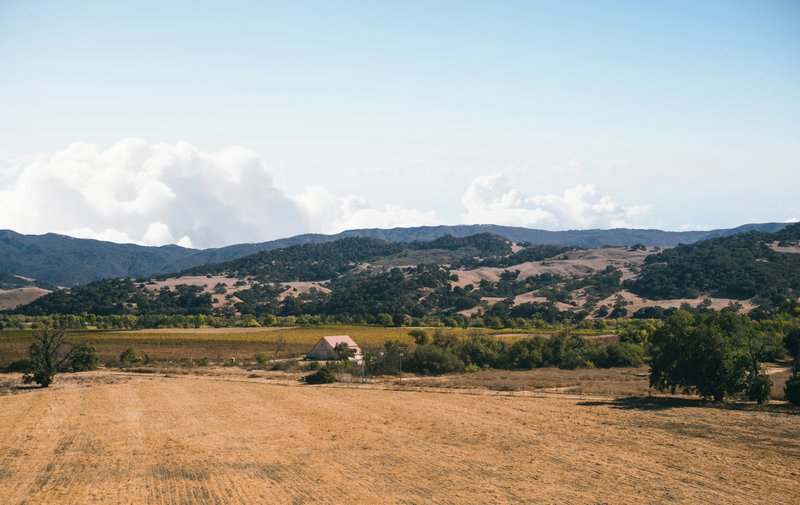
Explore USAThe Willamette Valley unfolds south of Portland in a patchwork of rolling hills planted with Pinot Noir, Pinot Gris, and Chardonnay vines. The Dundee Hills draw most first-time visitors, their red volcanic Jory soil producing some of North America's most celebrated cool-climate wines. McMinnville's Third Street offers a walkable downtown of tasting rooms, independent bookshops, and farm-to-table restaurants housed in early twentieth-century brick storefronts. Carlton, population under two thousand, punches well above its weight with over a dozen winery tasting rooms within a few blocks.
The valley's hospitality leans toward intimate scale — restored farmhouses, contemporary estates perched above vine rows, and historic inns in small-town centers. Spring brings the Oregon Truffle Festival and budbreak in the vineyards; autumn harvest season sees winemakers opening barrel rooms for blending seminars. The Coast Range shields the valley from Pacific storms while allowing cool marine air to slip through the Van Duzer Corridor, extending the growing season and preserving acidity in the grapes. Restaurants here build menus around Willamette Valley lamb, hazelnuts from local orchards, and seasonal produce from farms that have supplied Portland chefs for decades.