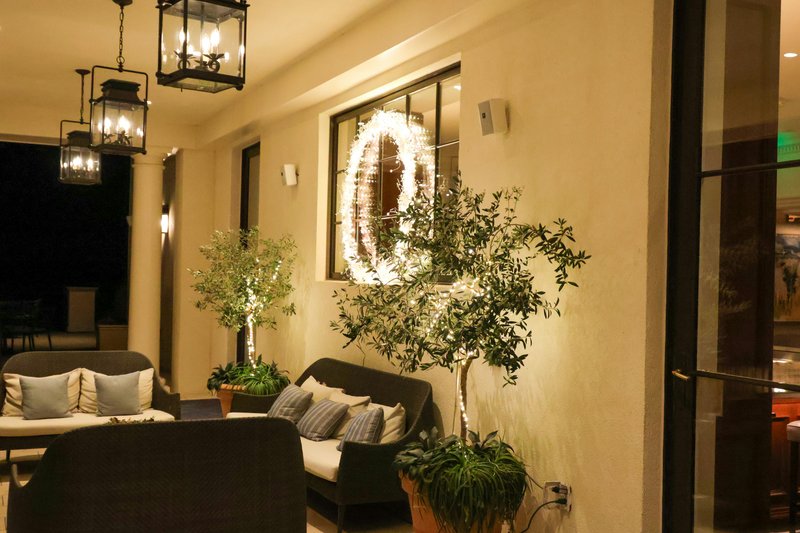
Modeled after owner Sheila C. Johnson's personal Virginia Piedmont mansion, Salamander Middleburg sprawls across 340 acres of Blue Ridge foothills with a 22-stall horse barn and miles of riding trails. The Gold Cup Wine Bar pours local vintages alongside globally inspired plates, while the 23,000-square-foot spa features Turkish bath and sauna. Equestrian enthusiasts and wine lovers find their ideal base here, with 50 wineries within an hour's drive.
Explore Virginia Wine Country
Where to Stay
Historic houses converted into a 27-room boutique property, the Oakhurst Inn occupies a National Historic District steps from the University of Virginia's South Lawn. Period architecture meets custom contemporary furnishings; four intimate libraries replace the conventional lobby. The on-site cafe handles breakfast and weekend brunch, while the surrounding wine country beckons with vineyard tours—a logical base for exploring Virginia's viticultural landscape.
Rooted in a 1734 land grant with ties to Thomas Jefferson, Boar's Head Resort sprawls across 600 manicured acres where an 18-hole Davis Love III course meets trails into Shenandoah National Park. The Mill Room pours a dozen Virginia wines by the glass, including Barboursville Vineyards Chardonnay Reserve, while the spa's signature massage incorporates oils from heirloom herbs grown in Jefferson's own gardens.
Forty acres of Virginia farmland unfold beneath the Blue Ridge Mountains at this plantation-style estate, where certified butlers attend to guests in historic quarters—including an 18th-century schoolhouse, the county's oldest, reimagined as a luxury cottage. The smokehouse spa offers respite before dinner at Vintage Restaurant, its museum-quality stained glass framing inventive plates like a deconstructed 'Philly cheesesteak' salad with local mushrooms.
Occupying its own peninsula on Chesapeake Bay, The Tides Inn channels maritime heritage through nautical décor and mahogany-rich Ashburn Suites overlooking the water. Local winemakers conduct tastings on-site, while Fish Hawk Oyster Bar and Salt & Meadow showcase Rappahannock oysters and blue crab. The spa's signature treatment supports regional waterway conservation—a thoughtful touch for eco-conscious travelers drawn to Virginia's coastal wine country.
Regency columns and iron railings announce a deliberate counterpoint to Colonial Williamsburg's austere architecture across the street. Historians guided the restoration of period textiles and paint colors throughout, lending the interiors scholarly authenticity. The 20,000-square-foot spa draws on 17th-century healing traditions, while the Rockefeller Room delivers formal dining and the adjacent Golden Horseshoe Golf Club offers three courses within an Audubon sanctuary.
Directly facing the University of Virginia, this 134-room property channels collegiate nostalgia through tweedy fabrics, retro furnishings, and vintage artwork—playful without tipping into kitsch. The rooftop Trophy Room delivers farm-fresh Virginia cuisine and creative cocktails against sweeping views, while Poindexter Coffee anchors the ground floor. Pet-friendly and surrounded by wine tour opportunities, it suits visitors exploring the region's vineyards.
Where to Eat
Nineteenth-century heartwood pine beams frame a dining room where chef Dale Ford applies French technique to Central Virginia ingredients sourced within a 45-mile radius—each item mapped on the menu. His shrimp and grits and fried green tomatoes with pimento cheese anchor a Southern repertoire, while lettuces from North America's largest hydroponic indoor garden bring lightness. Rocking chairs on the patio invite post-dinner Monticello wines at sunset.
Inside a restored 1778 plantation house, executive chef Kenneth Hughes builds menus around Virginia's seasonal harvests. The exposed-brick dining rooms—six distinct spaces ranging from intimate alcoves to celebration-ready halls—host Gourmet Tapas Wednesdays featuring pumpkin-seed-crusted fried oysters, Thursday prix fixe dinners, and Sunday brunches where French toast arrives as a mascarpone-filled brick alongside fried green tomato bruschetta.
What to Do
A brick serpentine wall conceals this 20,000-square-foot Georgian Revival sanctuary, where a wisteria-draped walkway and reflecting pool set the tone before treatments begin. The signature menu draws on five centuries of wellness traditions, reinterpreting historical practices through contemporary techniques. Reserved exclusively for guests of Colonial Williamsburg's properties, the spa maintains an unhurried atmosphere amid meticulously tended gardens.
Frequently Asked Questions
What is the best time of year to visit Virginia Wine Country?
+
October brings harvest season, fall foliage across the Blue Ridge foothills, and the region's liveliest atmosphere at tasting rooms. Spring—April through early June—offers mild weather and flowering vineyards without the summer humidity or autumn crowds. Winter visits suit travelers seeking quiet tastings and lower accommodation rates.
How far is Virginia Wine Country from Washington D.C.?
+
Middleburg sits approximately 45 miles west of downtown Washington, roughly an hour's drive depending on traffic. The broader wine region extends from Leesburg in the north to Charlottesville in the south, with most Loudoun County wineries reachable within 90 minutes of the capital.
What grape varieties is Virginia Wine Country known for?
+
Virginia has established a reputation for Viognier, which thrives in the mid-Atlantic climate and produces aromatic, full-bodied whites. Red varieties include Petit Verdot, Cabernet Franc, and Merlot. Many estates also produce Bordeaux-style blends suited to the region's clay soils and warm growing seasons.
Nearby Destinations
Explore USAThe rolling hills of Loudoun and Fauquier counties have transformed Virginia's Piedmont into the East Coast's most compelling wine destination. Within an hour of Washington D.C., the landscape shifts from suburban sprawl to stone-walled estates and century-old farmhouses converted into refined retreats. Middleburg, a village of fewer than 800 residents, anchors the region with its preserved 18th-century main street and equestrian heritage—fox hunting traditions here date to the 1900s.
The terroir favors Viognier, Petit Verdot, and Cabernet Franc, varietals that thrive in the clay-heavy soils and humid summers. Tasting rooms range from converted barns to modernist glass structures with Blue Ridge views. The culinary scene draws heavily on the surrounding farms: lamb from the Shenandoah Valley, oysters trucked in from the Chesapeake, heirloom produce from local operations that supply both estate kitchens and nearby restaurants in towns like Upperville and Marshall.