Spread across 150 acres of Sonoran desert, this pioneering wellness resort operates on a fundamentally different model: advisors design personalized programs before arrival, scheduling everything from fitness classes and medical assessments to art lessons and spiritual sessions. The 188 rooms maintain a soothing modern aesthetic, while healthful cuisine—no alcohol served—reinforces the holistic philosophy. Ideal for travelers seeking structured transformation rather than passive relaxation.
Explore Tucson
Where to Stay
Architect Josias Joesler designed this 1929 adobe retreat on a Santa Catalina Mountain ridge, where Katharine Hepburn and John Wayne once escaped Hollywood. The 34-acre property now offers three pools overlooking the Sonoran Desert, fire pits for cool desert evenings, and a spa featuring Eminence of Hungary organic treatments. The Grill delivers refined Southwestern cuisine against sunset panoramas—ideal for couples seeking romantic Western grandeur.
Saguaro cacti and the rugged Tortolita Mountains frame this 253-room desert retreat, where 27 holes of Jack Nicklaus golf wind through secluded canyons and over twenty miles of trails beckon hikers at dawn. Fourteen fire pit rooms offer private stargazing sessions, while the spa's serenity pool and fireside hot tub provide desert-inspired restoration. Five restaurants—including CORE Kitchen & Wine Bar and Turquesa Latin Grill—anchor evenings beneath vast Sonoran skies.
Rising against the Santa Catalina Mountain foothills, this desert resort commands views of ancient Saguaro cacti scattered across the rugged Arizona landscape. Five swimming pools and one of Tucson's longest water slides anchor the outdoor experience, while the seven-day Kids' Club keeps younger guests occupied. A solid choice for families seeking Southwest scenery with full-service resort infrastructure.
Built around a 1789 Spanish Colonial ranch established through royal land grants, this property carries genuine historical weight. The original adobe architecture frames views of the Santa Rita Mountains, while a 27-hole championship course draws golfers seeking desert terrain with substance. Families benefit from complimentary stays for children under twelve, and travelers with dogs will find pet-friendly accommodations—a practical touch for extended Southwestern explorations.
A contemporary red-brick tower facing the University of Arizona, this Graduate property channels collegiate spirit through navy and cardinal accents tempered by Southwestern pastels, hardwood, and leather. Rooms surprise with analog clocks and rotary telephones; bathrooms glow in warm coral-pink tile. The real draw is Moonstone, a rooftop bar where fire pits, a swimming pool, and sweeping views of Mount Lemmon reward the climb.
Where to Eat
Inside Casino Del Sol, a cream-and-white dining room with glass chandeliers provides refined contrast to the gaming floor's energy. The kitchen applies Southwestern accent to prime cuts—T-bone arrives with truffled chimichurri, while green-chile au gratin potatoes and jalapeño spinach reinforce regional identity. A 400-label wine list and skilled mixologists crafting gourmet cocktails complete an evening of polished indulgence.
What to Do
Spread across 17,000 square feet with views of the Tortolita Mountains and Wild Burro Canyon, this desert sanctuary draws on Hohokam Indian herbal traditions for its organic treatments. Ten therapy rooms open onto a sunlit courtyard, while the outdoor serenity pool preserves ancient Native American carvings in their original setting. The relaxation room offers citrus fruits harvested from the resort's own grove.
Sprawling across 150 acres in the Santa Catalina Mountains, this 80,000-square-foot sanctuary pioneered American holistic wellness over four decades ago. Gender-specific locker rooms feature cryo-plunge pools and steam rooms, while therapists adapt CBD-infused massages and eclectic bodywork techniques to individual needs. The all-inclusive program encompasses 150-plus services—from nutrition coaching to spiritual guidance—alongside organic, free-range cuisine.
Frequently Asked Questions
What makes the Catalina Foothills a distinctive area for accommodation?
+
The Catalina Foothills rise gradually toward the Santa Catalina Mountains north of downtown, offering properties with unobstructed desert and mountain panoramas. This neighborhood developed primarily in the mid-twentieth century, resulting in resorts that integrate modernist architecture with the natural landscape. The higher elevation provides slightly cooler temperatures and direct access to Sabino Canyon hiking trails.
When is the ideal season to visit Tucson?
+
October through April offers the most comfortable conditions, with daytime temperatures between 18-28°C and minimal rainfall. Winter months bring occasional light frosts at higher elevations but rarely disrupt outdoor activities. The Sonoran Desert blooms spectacularly in March and April following winter rains, carpeting hillsides with poppies, lupines, and flowering cacti.
How does Tucson's UNESCO gastronomy designation influence its dining scene?
+
Tucson received UNESCO City of Gastronomy status in 2015, recognizing its 4,000-year agricultural heritage and living food traditions. Restaurants increasingly source tepary beans, chiltepín peppers, and heritage white Sonora wheat from local farmers maintaining ancestral cultivation methods. This designation has attracted chefs interested in working with ingredients unavailable elsewhere in the country.
Nearby Destinations
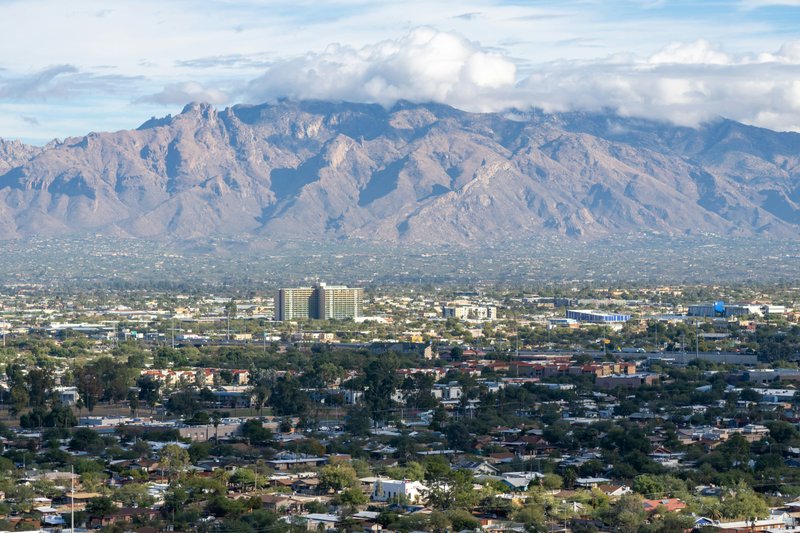
Explore USATucson sprawls across the Sonoran Desert floor, ringed by five mountain ranges that shift from purple to amber as the day progresses. The city's hotel scene reflects this dramatic landscape: restored dude ranches in the Tanque Verde Valley offer horseback excursions at dawn, while contemporary properties along Campbell Avenue cater to design-conscious travelers drawn to the city's mid-century architectural heritage. The Catalina Foothills neighborhood, climbing toward the Santa Catalina Mountains, hosts several acclaimed resort properties where spa treatments incorporate indigenous desert botanicals—jojoba, prickly pear, mesquite—harvested from surrounding terrain.
Downtown Tucson has undergone measured revitalization without losing its frontier-town character. Congress Street anchors the entertainment district, its early-twentieth-century brick buildings now housing craft cocktail bars, independent restaurants, and boutique accommodations. The Barrio Viejo neighborhood, south of the convention center, preserves some of Arizona's finest examples of Sonoran row houses—adobe structures painted in terracotta, turquoise, and ochre. Tucson's culinary identity draws heavily from its position as a UNESCO City of Gastronomy, the first in the United States, with chefs incorporating Tohono O'odham ingredients and Sonoran traditions into refined dining experiences throughout the city.