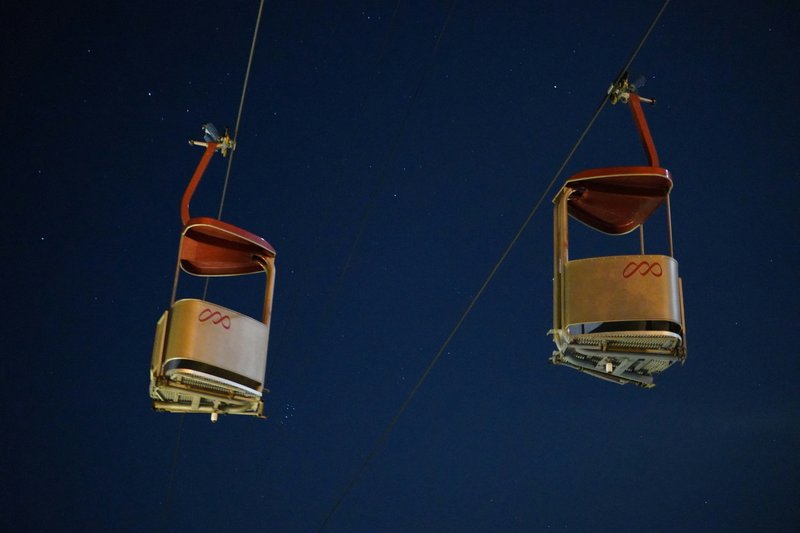
Perched on Empire Pass with direct slope access, this 220-room resort lets skiers glide from mountain to spa without removing their boots—Spa Montage offers ski-in treatments using botanical ingredients. The Apex restaurant showcases local wagyu and Long Island duck in refined farm-to-table preparations, while dual pools framed by floor-to-ceiling windows survey the surrounding peaks. Families gather on the Vista Terrace for complimentary s'mores made with housemade strawberry and caramel marshmallows.
Where to Stay
Mid-century modern furniture and elemental materials—warm woods, stone, metal—replace alpine kitsch at this Canyons Village address, where ski-in/ski-out access opens onto 7,300 acres of terrain. Park City's only rooftop pool doubles as an après-ski retreat, while the European-inspired lounge offers fireside sofas and cocktails. KITA Japanese grill delivers wagyu and miso-sake black cod, a welcome departure from mountain steakhouse standards.
Perched at 8,500 feet on Deer Valley's slopes, this Scandinavian lodge channels its founder—Norwegian ski champion Stein Eriksen—through robust wooden furnishings, massive stone hearths, and cool Nordic palettes. Ski valets and heated walkways streamline mountain access, while private patio hot tubs and a 16-room Norwegian-style spa ease après-ski fatigue. At Glitretind, pastry chef Raymond Lammers's hand-made chocolates cap meals with artisanal precision.
Robert Redford's 5,000-acre conservation project at the base of Mount Timpanogos functions as both alpine retreat and working artists' colony. The new Inn delivers ski-in/ski-out access with dedicated ski valet and three secluded thermal pools, while freestanding cabins disappear into pine forest. Creative souls book art studio sessions; gastronomes reserve the acclaimed Tree Room, where hand-blown recycled glass chargers signal the property's artisan ethos.
Spread across 3,500 acres of Utah ranchland, this Auberge property offers three accommodation styles—mountain-view suites, grass-roofed hillside rooms, and creekside cabins overlooking Alexander Canyon. The 7,400-square-foot Edge Spa and infinity pool face the Wasatch peaks, while Yuta restaurant sources ingredients from the on-site Gracie's Farm for wood-grilled dishes. Guided adventures range from heliskiing to fly fishing; couples seeking seclusion retreat to the adults-only Creek Houses.
An 1889 limestone schoolhouse on the National Historic Registry, this twelve-suite retreat preserves 16-foot ceilings and oak floors reclaimed from Utah barns while adding theatrical flourishes—a 10-foot mirror salvaged from a French opera house, chandeliers crafted from real antlers. The ski valet handles gear and resort transfers; afterward, guests warm up at a fire pit built from a 2002 Winter Olympics torch, or swim in the hillside pool framed by mountain panoramas.
Stone walls, a courtyard fountain, and marble interiors channel European alpine elegance at this mid-mountain retreat in Silver Lake Village, mere steps from Deer Valley's ski lifts. Accommodations span studios to four-bedroom residences, each with fireplace, kitchen, and private balcony. Le Spa Chateaux and a heated pool offer après-ski recovery, while Cena Ristorante delivers Italian fare accompanied by live music in the adjacent lounge.
Ski-in/ski-out access to Deer Valley defines this St. Regis property, where a full-service ski valet and on-site lift ticket desk eliminate every friction point for slope enthusiasts. Guest rooms face the Wasatch Range through floor-to-ceiling windows, each warmed by stone fireplaces that personal butlers light on request. The split-level infinity pool—2,400 square feet suspended against snowfields—anchors a spa complex with twin heated pools and mountainside saunas.
The Frostwood Gondola deposits skiers directly from this lodge-style retreat onto Canyons slopes, eliminating any trudge through parking lots. Rooms come equipped with working fireplaces and balconies facing the Wasatch range. After a day on the mountain, Powder restaurant delivers guajillo-rubbed buffalo tenderloin and rabbit agnolotti, while the year-round heated pool offers fire pits and winter whirlpools for post-ski gatherings.
Floating staircases and wrap-around windows define these contemporary mountain lodges on Deer Valley's Silver Dollar Ski Trail, where guests ski directly from the lounge onto pristine powder. Private hot tubs and fire pits punctuate outdoor terraces, while exclusive Main Lodge privileges grant access to indoor and outdoor pools and a full spa—ideal for families and groups seeking slope-side luxury with genuine alpine seclusion.
Where to Eat
Inside Montage Deer Valley, Apex shifts from relaxed daytime fare to polished evening service, its farm-to-table kitchen showcasing seasonal Utah ingredients—Long Island duck duo, local wagyu hanger steak, sea scallops with pine nut purée. Floor-to-ceiling mountain views and a crackling fire pit extend the meal's afterglow, while the slope-side bar draws skiers for live music and handcrafted cocktails.
Named for Norway's 'shimmering mountain,' Glitretind commands views of skiers descending the Wasatch slopes through floor-to-ceiling windows, rustic fireplaces warming the dining room. The kitchen delivers regional American fare—buffalo flank steak, Gulf shrimp over grits—with a menu overhauled twice yearly to reflect seasonal ingredients. Sommelier Cara Schwindt oversees a 10,000-bottle cellar spanning 750 labels, while summer unlocks terrace dining in crisp alpine air.
Chef-consultant Matt Harris channels recipes learned from Italian cesarines—traditional home cooks—into a Mediterranean repertoire at this St. Regis Deer Valley address. Squid ink linguini arrives from the Bronx's storied Borgatti's, while housemade pizza dough meets Alpine-sourced toppings. The secondi deliver substance: Niman Ranch veal osso bucco, Florentine steak for two, fennel-apple porchetta. A 10,000-bottle wine vault completes the après-ski indulgence.
At the base of Park City Mountain—America's largest lift-assisted ski resort—Powder occupies the Waldorf Astoria with an alpine elegance of taupe leather and dark wood. Executive chef Hermann Schaefer channels his Austrian heritage into locally sourced plates: buffalo Bolognese, mushroom-crusted sea bass, daily specials that shift with the seasons. The terrace delivers West Coast oysters alongside Pow Day, a custom pale ale brewed exclusively for this address.
Floor-to-ceiling windows frame Deer Valley's snow-dusted slopes at this Five-Star steakhouse inside The St. Regis, where chef Matthew Harris builds menus around Rocky Mountain trout, daily Atlantic arrivals from Maine and Nantucket, and Snake River wagyu. Guests at the exhibition kitchen often receive spontaneous tastings, while the Wine Vault—home to 10,000 bottles across 1,200 labels—rewards those seeking a more intimate après-ski celebration.
Inside a restored Masonic Hall on Main Street, Riverhorse delivers American comfort cooking with Southwest accents under chef Seth Adams. The signature macadamia-crusted Alaskan halibut arrives alongside lobster pot pie and braised buffalo short rib, served in a candlelit room of dark woods and fresh flowers. The atmosphere balances rustic warmth with polished service—ideal for post-slope evenings seeking substance over spectacle.
James Beard Award-winning chef Galen Zamarra, who built his reputation at New York's Mas (Farmhouse), now commands the kitchen at this 3,500-acre ranch retreat. The menu traces Utah's layered history—Native American, Spanish, Mexican, and Chinese railroad-era influences—through dishes like dry-aged Wasatch beef ribeye. Ingredients arrive from onsite Gracie's Farm; dinner extends to six-course tasting menus worth clearing an evening for.
What to Do
Perched on a cliff at The Lodge at Blue Sky, Edge Spa's five treatment rooms frame Alexander Creek and distant mountain ridges through floor-to-ceiling glass. Therapists work with botanicals cultivated on Blue Sky Ranch itself, while signature rituals include the High West Whiskey Rubdown—finished with a dram from Park City's own distillery. Chef Galen Zamarra pairs treatments with dishes like hemp-infused truffles alongside CBD massage, extending the sensory narrative from table to treatment room.
Skiers glide directly from Deer Valley's runs into this 35,000-square-foot sanctuary, where 29 treatment rooms await with botanical and herbal therapies. Each session is calibrated to individual needs, from hydrotherapy circuits to couples rituals designed around alpine recovery. The scale allows genuine privacy even at peak season, making it a natural extension of the mountain day rather than an afterthought.
A reflecting pool glides from the mountainside into the lobby of this 14,000-square-foot retreat, setting the tone for the serenity within. Eleven treatment rooms await beyond a grand spiral staircase, while Milano Liberi's stark black-and-white tree photography punctuates the earth-toned walls. The candlelit relaxation lounge, anchored by a stone fireplace, offers refuge between slopes and spa rituals.
Roaring fireplaces and Norwegian alpine décor greet visitors to this mid-mountain retreat, where European wellness traditions anchor the treatment philosophy. Vichy showers and traditional kurs water therapies address post-ski fatigue and altitude adjustment, while a heated outdoor pool frames year-round Deer Valley panoramas. Families appreciate the Teen Dream package, a two-hour program tailored to younger guests with facials, massages, and nail treatments.
Stacked gray stone and pale wood establish a meditative threshold at this fifteen-room facility, where the Harmony massage layers hand compressions with lavender shea butter wraps to address post-slope fatigue. Guests may enhance treatments with CBD, apricot, or aromatherapy oils, then retire to the Tea Lounge for light bites. The full-day package sequences massage, facial, manicure, pedicure, and spa lunch into a single restorative arc.
Frequently Asked Questions
What are the main areas to stay in Park City?
+
Old Town along Main Street offers walkable access to restaurants and nightlife. Deer Valley provides a quieter, more exclusive resort atmosphere with ski-in access. Park City Mountain base area suits families and those wanting direct lift access without the premium pricing. The Canyons Village area, connected by gondola, works well for groups needing larger accommodations.
When is the best time to visit Park City?
+
Peak ski season runs January through March, with February offering the most reliable snow coverage. The Sundance Film Festival in late January brings crowds and elevated prices. Summer and early fall — June through September — attract hikers, mountain bikers, and festival-goers escaping the heat of lower elevations. Shoulder seasons in November and April offer reduced rates but limited activities.
How does Park City compare to other Utah ski destinations?
+
Park City combines two resorts totaling over 7,300 acres, making it the largest ski area in the United States. Unlike the canyon resorts near Salt Lake — Snowbird, Alta, Brighton — it functions as a proper town with year-round residents, independent restaurants, and cultural programming beyond winter sports. The snow is slightly less abundant than the canyons but the infrastructure is more developed for extended stays.
Nearby Destinations
Explore USAPark City occupies a former silver mining town in the Wasatch Range, roughly 30 miles east of Salt Lake City. Main Street, the historic spine of Old Town, runs along a steep grade lined with Victorian-era buildings that now house galleries, independent boutiques, and après-ski bars. The town operates on two primary resort axes: Deer Valley to the southeast, known for its groomed runs and members-only atmosphere, and Park City Mountain to the west, sprawling across interconnected peaks. Between them, neighborhoods like Prospector and Lower Deer Valley offer quieter residential pockets where locals actually live year-round.
The dining scene reflects both ski-town appetites and Sundance Film Festival sophistication. High West Distillery operates from a refurbished livery stable, while longtime establishments along Main Street serve elk carpaccio and Utah trout alongside more casual mountain fare. Summer transforms the town entirely — hiking trails replace lift lines, and the restaurants shift toward patio service with views across wildflower meadows. The altitude sits above 7,000 feet, lending dry air and intense sunshine that visitors from coastal cities notice immediately.