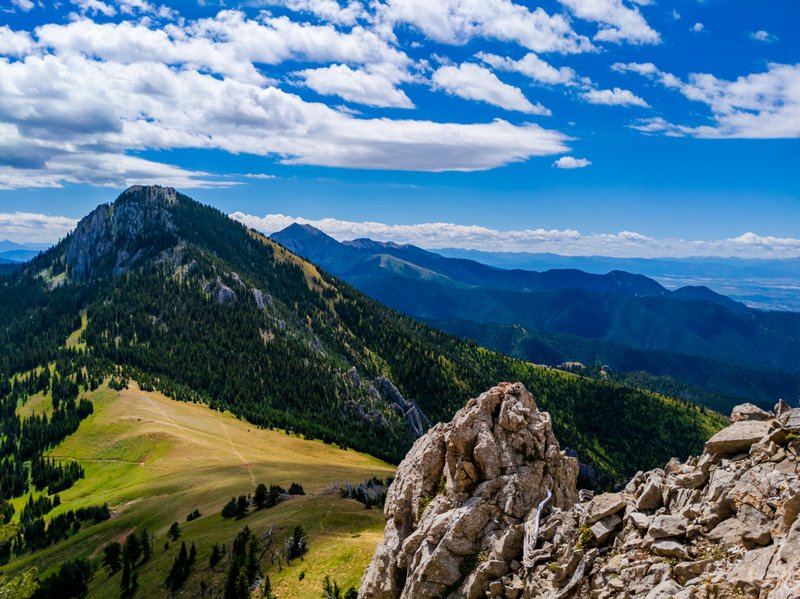
Spread across 750 forested acres in Montana's Bitterroot Mountains, this adults-only ranch houses guests in 23 log and cedar cabins, each equipped with private hot tub, fireplace, and daily fresh-baked cookies. An Orvis-endorsed fly-fishing program anchors the warmer months, while winter rates include ski lift tickets and slope transfers. Cattle drives, helicopter tours, and dog sledding round out an authentically Western all-inclusive experience.
Where to Stay
Ski-in, ski-out access to Big Sky Resort anchors this 139-room mountain lodge where the triple-height Alpenglow bar frames Montana's peaks through soaring windows. The 11,000-square-foot spa channels Rocky Mountain aesthetics across twelve treatment rooms, while families gather for complimentary tubing and fireside s'mores. Summer brings Tom Weiskopf's golf course and blue-ribbon fly-fishing; Cortina delivers Northern Italian refinement year-round.
Sprawling across 37,000 acres of working cattle ranch in the Blackfoot Valley—the landscape that inspired A River Runs Through It—this wilderness resort pairs rugged Montana authenticity with camp butler service and fireside dining on chili-dusted hanger steak. Six safari-style glamping sites line the river, while winter brings dog sledding and horse-drawn sleighs. Ranch homes feature wood-burning stoves; a spa and jacuzzi await after each adventure.
Spanning 6,600 acres between the Pintler and Sapphire ranges, this all-inclusive Montana ranch centers on Granite Lodge, a two-story stone-and-timber retreat with Western-themed rooms bearing names like Appaloosa and Winchester. Days unfold with Blue Ribbon fly fishing on Rock Creek, trail rides through lupine-covered meadows, and hikes to snow-capped ridges. The Silver Dollar Saloon offers bowling and karaoke for families, while helicopter excursions reach Glacier and Yellowstone.
Twelve architectural cabins scatter through 37,000 acres of ponderosa pine forest—Tree Haus suspends guests 23 feet above ground, while Light Haus frames the Montana night sky through bedroom skylights. Chef Andrew Garrison's multicourse dinners at The Social Haus showcase elk and Douglas fir tips from an open-fire kitchen. Winter brings dog sledding with Iditarod champion huskies; every cabin offers a private hot tub and outdoor fireplace. Adults only.
Historic log cabins dot this Montana dude ranch, their weathered timber exteriors belying interiors updated for modern comfort. Horseback riding and wilderness pursuits define daily life here, while the Horn & Cantle restaurant delivers unexpectedly refined fare in generous portions. Families gravitate toward multi-bedroom homes with full kitchens; summer brings a nature-focused day camp for children three and older.
A 1940s National Guard armory anchors Bozeman's first luxury boutique hotel, its brick facade now housing 122 rooms dressed in hand-stitched leather, wood accents, and plaid flannel throws. The rooftop bar surveys the Rockies from a pop-up winter chalet, while a year-round heated terrace pool and loaner snowshoes speak to the property's dual-season sensibility. A basement whiskey bar and fire pit complete the rugged sophistication.
Sprawling across 1,000 acres along the Clark Fork River, this eight-suite lodge limits occupancy to just 24 guests, ensuring an intimate immersion in Montana's wilderness. The 12,000-square-foot Great Room anchors the property with its cathedral ceilings and stone fireplace, while every suite opens onto a private deck with fire pit overlooking the lake. A full equestrian program—cattle drives, sleigh rides, trail riding—complements year-round pursuits from trout fishing to snowmobiling.
A 67-room boutique property on West Main Street, The Lark channels Montana's wilderness spirit through modernist interiors adorned with local artwork. Its dedicated map room—staffed by regional guides—positions the hotel as a practical basecamp for Yellowstone expeditions, while complimentary bikes encourage exploration of Bozeman's walkable downtown. Pet-friendly policies and a laid-back mountain-town aesthetic appeal to adventurers traveling with four-legged companions.
Where to Eat
Inside Montage Big Sky, Cortina pairs alpine lodge warmth with the understated elegance of an Italian country estate—gray leather banquettes, honeyed woods, contemporary chandeliers casting soft light. The kitchen reshapes Italian classics using regional game, local produce, and handmade pastas like pappardelle and mezzaluna with traditionally crafted sauces. Large windows frame the mountains at sunset, turning dinner into quiet spectacle.
Live fire anchors the kitchen at this intimate 24-seat dining room where executive chef Brandon Cunningham—trained at Portland's Ned Ludd and alongside alumni of French Laundry and El Bulli—orchestrates multi-course dinners as theater. Elk, huckleberries, wild chamomile, and ranch beef arrive smoke-kissed from open flames, served within walls of charred shou sugi ban wood that mirror the surrounding Montana pines.
What to Do
Spanning 11,000 square feet within Montana's Spanish Peaks, this sanctuary mirrors the Rockies' grandeur through soaring design and alpine-inspired tranquility. Therapists deploy Valmont facials and Lola's Apothecary bodywork alongside inventive treatments—the Energizing Sound Healing Massage pairs singing bowls with vibrational oils, while Oxylight therapy merges microcurrent and light technology. The Pure Bliss ritual layers aromatic salt exfoliation with scented body milk, and a heated indoor pool offers post-treatment decompression.
Frequently Asked Questions
When is the best time to visit Bozeman and Big Sky?
+
Ski season runs from late November through mid-April, with February and March offering the most reliable snowpack. Summer—June through September—brings warm days ideal for hiking, fishing, and exploring Yellowstone's north entrance, just an hour from Big Sky. September's shoulder season offers golden aspens, smaller crowds, and crisp mountain air.
How far is Big Sky from Yellowstone National Park?
+
Big Sky sits roughly fifty miles north of Yellowstone's west entrance via Highway 191, which follows the scenic Gallatin Canyon. The drive takes about an hour without traffic, making day trips to the park's geyser basins and wildlife corridors entirely practical.
What distinguishes the dining scene in Bozeman from Big Sky?
+
Bozeman offers greater variety—farm-to-table restaurants, Vietnamese pho shops, college-town pizzerias, and wine bars along Main Street. Big Sky's options concentrate around the Mountain Village and Meadow Village, leaning toward après-ski fare, steakhouses, and lodge dining rooms with mountain views.
Nearby Destinations
Explore USAMontana's Gallatin Valley unfolds between the Bridger Range and the Spanish Peaks, with Bozeman serving as the cultural anchor and Big Sky as the alpine counterpart forty miles south. Main Street Bozeman retains its frontier-town grid—brick storefronts house independent bookshops, fly-fishing outfitters, and restaurants sourcing from nearby Paradise Valley ranches. The university presence brings unexpected energy: craft breweries, a year-round farmers market, and the Museum of the Rockies with its paleontology collection.
Big Sky proper splits between the Mountain Village base area and the Meadow Village below, connected by a free shuttle that runs until late evening. Winter draws skiers to terrain spanning over 5,800 acres; summer shifts attention to hiking, mountain biking, and the blue-ribbon trout waters of the Gallatin River. Accommodation ranges from slopeside residences with ski valets to working guest ranches where wranglers still move cattle through sagebrush meadows. Dining tends toward the hearty—elk, bison, local beef—though a handful of chefs have introduced more refined menus without abandoning regional ingredients.