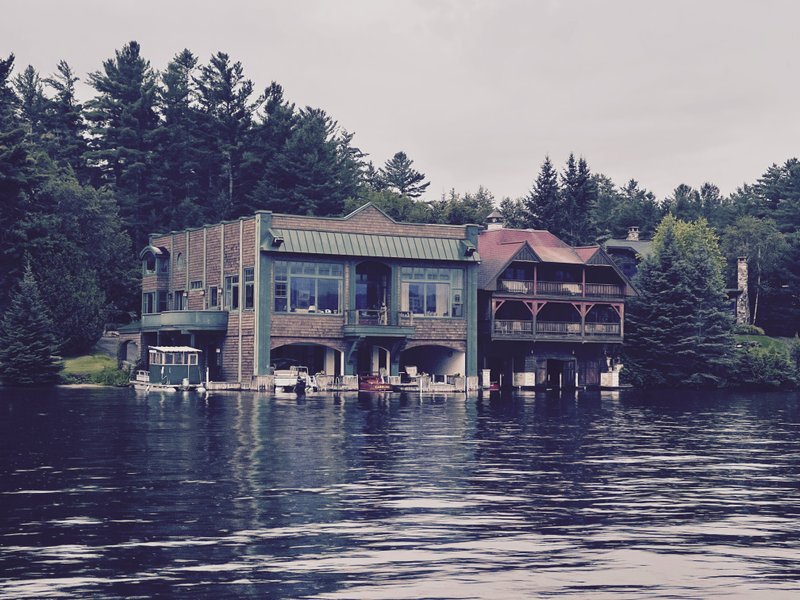
William Avery Rockefeller's former great camp occupies a secluded 10-acre peninsula on Upper Saranac Lake, its four log buildings housing guest rooms with twig furnishings, stone fireplaces, and period antiques. This adults-only all-inclusive operates a 24-hour kitchen—champagne and truffled popcorn at 4 a.m. if desired—and enforces black-tie dress twice weekly for communal dinners. Winter brings curling and cross-country skiing on the frozen lake; summer, mahogany boat excursions and croquet.
Where to Stay
Saratoga Springs' sole surviving Grand Victorian hotel returned after a $40 million restoration that preserved its original wooden bannister and elaborate mural-sized mirrors while adding radiant-heated bathroom floors and contemporary comforts. Chef David Burke's restaurant portfolio anchors the culinary program—Salt & Char for prime steaks, Blue Hen for refined American plates, and Morrissey's Lounge for cocktails in a space honoring the town's colorful gambling past.
A modern interpretation of the Adirondacks' legendary Great Camps, The Whiteface Lodge channels that gilded-age wilderness grandeur through suites appointed with fireplaces, jacuzzi tubs, and full kitchens. The property spreads across Lake Placid's sublime terrain with both indoor and outdoor pools, a full spa with sauna, and tennis courts. Kanu restaurant ranks among the area's finest tables, serving guests who appreciate rustic luxury with polished edges.
Eight decades of family stewardship have shaped this lakeside retreat into an Adirondack institution, its five lodges scattered across eight landscaped acres with unobstructed views across Mirror Lake to the surrounding peaks. The spa features a salt-therapy room alongside a 60-foot indoor pool, while The Cottage restaurant delivers convivial après-ski fare—fitting for a former Winter Olympics venue. Canoes and kayaks await guests drawn to sunrise paddles.
Arts and Crafts architecture defines this lakefront retreat, where local artisans have handcrafted everything from the beds to the great stone fireplaces. Log cabins face Lake Placid's still waters, the Adirondack peaks mirrored on the surface. Days shift between hiking trails and daily Hacker-Craft boat tours; evenings bring farm-to-table dining on the deck, followed by nightly bonfires under mountain skies.
Hand-hewn beams and monumental stonework channel the Gilded Age great camps at this intimate lakeside retreat, where just 30 accommodations—including 17 cabins and two private cottages—ensure seclusion. Guests gather for complimentary s'mores at nightly bonfires, dog-sled through winter forests, or arrive by helicopter from New York. The Artisans restaurant delivers refined American cuisine after days of rafting or horseback riding.
Sprawling across 3,400 acres of Upstate New York, this all-suite retreat offers 95 generously proportioned rooms—none smaller than 550 square feet—within the larger Turning Stone complex. The 33,000-square-foot Skana Spa provides a meditative counterpoint to three championship golf courses and a major entertainment venue. At Wildflowers, seasonal menus culminate in theatrical liquid nitrogen ice cream, rewarding guests who appreciate both spectacle and substance.
Where to Eat
Firelight flickers across an intimate dining room where chef Derek Leinonen's New American tasting menus showcase Adirondack farms through seasonally shifting courses. The setting—a meticulously rebuilt lodge channeling Gilded Age Great Camp grandeur—frames views of Lake Placid and Whiteface Mountain. For deeper occasion, a vaulted brick wine cellar with vine-draped ceilings and rare vintages offers private dining of singular romance.
A dedicated elevator delivers diners to the top floor of The Tower, where floor-to-ceiling windows reveal 360-degree views of the valley and manicured golf courses below. The dramatic red-and-black interior channels Las Vegas energy, complete with piano bar and cigar lounge. Wagyu flat-iron and oysters on the half shell anchor the menu, while photographs and artifacts along the walls honor centuries of Oneida Indian heritage.
By morning, families gather before golf rounds and tennis lessons; by evening, dimmed lights and floral décor in pink, purple, and red transform this 65-seat dining room into a romantic retreat. The kitchen draws from nearby farms for seasonal menus featuring Dover sole and a signature Wildflower salad. Tableside Bananas Foster closes the meal with theatrical flair, while the Great Room's fireplace offers a plush interlude.
The dining room at Lake Placid Lodge occupies an Arts and Crafts structure where massive stone fireplaces, hand-built by local artisans, anchor interiors of uncommon warmth. The kitchen practices rigorous farm-to-table cooking, sourcing from the surrounding terroir to compose menus that shift with the seasons. On the lakeside deck, plates arrive against a backdrop of still water mirroring the Adirondack peaks—a setting as compelling as the food.
What to Do
Built around an arched longhouse inspired by Oneida tradition, Skana Spa channels ancestral healing methods through contemporary treatments—the signature Dance of the Song Birds pairs full-body exfoliation with birch bud oil massage for couples. The Healing Waters circuit progresses through steam room, sauna, and a leaf-shaped whirlpool before reaching a mineral pool beneath a painted blue sky fresco. Two fireside lounges offer quiet decompression between sessions.
Frequently Asked Questions
What is the Great Camp architectural style?
+
Great Camps emerged in the late 19th century as summer retreats for industrialist families like the Vanderbilts and Rockefellers. The style combines rustic materials — unpeeled logs, native stone, bark siding — with surprisingly sophisticated interiors. Several historic camps now operate as hotels or can be toured, offering a window into Adirondack social history.
When is the best season to visit the Adirondacks?
+
Each season offers distinct appeal. Summer brings warm lake swimming and hiking under long daylight hours. Autumn transforms the mountains into corridors of red and gold, typically peaking in late September. Winter centers on Lake Placid's Olympic legacy — bobsled runs, ski jumps, and extensive cross-country trails. Spring arrives late but rewards visitors with waterfalls at peak flow and solitude on the trails.
How do the different Adirondack towns compare?
+
Lake Placid functions as the commercial and sporting hub, with the most developed hotel and restaurant infrastructure. Saranac Lake retains a more residential, arts-oriented character with a historic downtown. Keene Valley attracts serious hikers drawn to the High Peaks trailheads. Blue Mountain Lake serves as the cultural center, home to the Adirondack Museum. Each hamlet maintains its own personality within the larger park.
Nearby Destinations
Explore USASix million acres of protected wilderness define the Adirondack Park, the largest publicly protected area in the contiguous United States. The region's hospitality tradition dates to the Gilded Age, when wealthy industrialists built elaborate Great Camps along the shores of Lake Placid, Saranac Lake, and the Fulton Chain. That legacy persists in properties that combine rusticated architecture — native stone, hand-hewn timber, sweeping verandas — with contemporary comforts.
The dining scene draws from the surrounding landscape: wild-caught brook trout, foraged mushrooms, New York State cheeses, and produce from the Champlain Valley. Lake Placid's Main Street anchors the culinary offering, though smaller hamlets like Saranac Lake and Keene Valley harbor their own kitchens of note. After dinner, expect craft cocktails by the fire rather than bottle service — this is a region where the rhythm slows deliberately.



