The Garbutt family has run Calabash since 1987, refining a formula of intimate Caribbean hospitality across thirty suites scattered through palm-shaded gardens just steps from L'Anse aux Epines beach. Rooms of at least 565 square feet feature plunge pools or hot tubs, while evenings bring the refined Rhodes restaurant with its piano lounge and dress code. A spa, infinity pool, and genuine commitment to local suppliers complete the quietly luxurious picture.
Where to Stay
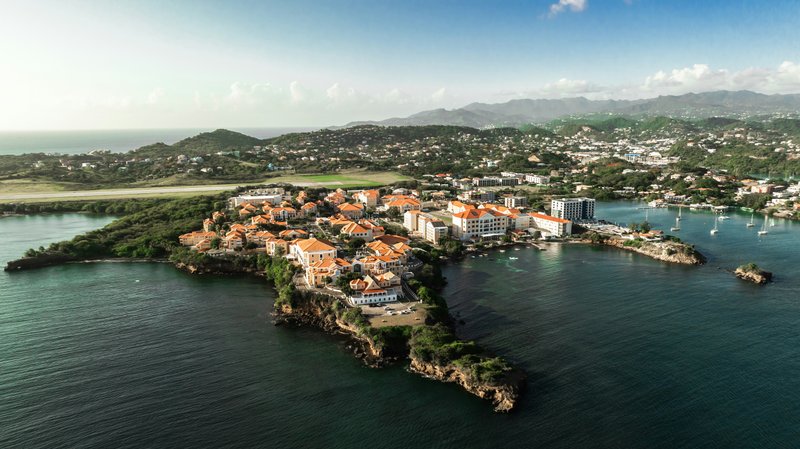
Six Senses made its Caribbean debut on a 38-acre headland along Grenada's southern coast, where low-slung pavilions follow the terrain's natural contours between two stretches of ocean. Walking paths paved with nutmeg shells and cocoa skins wind through a village-like layout of 56 rooms and 15 villas beside a lagoon. Kitchen gardens feed the on-site restaurants, while comprehensive children's programming and an Earth Lab focused on sustainability make this a compelling choice for eco-minded families.
Sixteen thatched cottages climb a jungle hillside above a private white-sand beach near Grenada's southern tip, each with its own plunge pool, open-air shower, and Balinese antiques selected by Giorgio Armani's villa decorator. The Calabrian chef sources herbs from an on-site organic garden and imports prosciutto and olive oil from Italy for his seafood-focused menu. An adults-only retreat for travelers seeking seclusion without sacrificing sophistication.
Terra cotta villas scatter across the hillside above Grand Anse beach, their contemporary interiors offering a clean-lined alternative to typical Caribbean décor. The 28 suites and villas feature modern bathrooms and Nespresso machines as standard; larger accommodations add full kitchens and outdoor living spaces with panoramic views. A beach club provides all-day barbecue, water sports, and yoga, while Savvy's handles breakfast and dinner. Grenada's position outside the hurricane belt adds practical appeal.
Spreading across tropical gardens that spill onto Grand Anse Beach, this 64-suite retreat pairs Caribbean ease with polished comfort. The Luxury Pool Suites deliver private plunge pools screened by lush foliage, while Royal Cinnamon accommodations come with hammock-strung patios facing the sea. Janissa Spa draws on native nutmeg and cinnamon for its treatments; Oliver's Restaurant plates Caribbean-Creole cooking steps from the sand—ideal for families seeking refined beachfront living.
What to Do
Beneath the palms of L'Anse aux Epines, The Spa at Calabash draws its treatments from Grenada's organic bounty—locally harvested honey, moringa, and cocoa applied by skilled therapists whose techniques restore skin elasticity and deep hydration. The sustainability-driven philosophy extends beyond wellness rhetoric: every product traces directly to island artisans, grounding each massage and body ritual in Caribbean terroir and environmental consciousness.
Frequently Asked Questions
What is the best time of year to visit St. George's and Grand Anse?
+
The dry season runs from January to May, with consistent sunshine and lower humidity. Hurricane season officially spans June to November, though September and October carry the highest risk. December sees the arrival of festive season visitors and slightly higher rates.
How far is Grand Anse Beach from St. George's and the airport?
+
Grand Anse lies roughly ten minutes by car from St. George's harbour and fifteen minutes from Maurice Bishop International Airport at Point Salines. Local buses and water taxis offer alternatives for those without private transport.
What local dishes should visitors try in Grenada?
+
Oil down remains the essential Grenadian experience — a one-pot dish of breadfruit, callaloo, and salted meat simmered in coconut milk. Lambi (conch) prepared grilled or in a curry appears on most menus, alongside fresh-caught mahi-mahi and red snapper. The island's nutmeg features in everything from ice cream to rum punch.
St. George's wraps around a natural horseshoe harbour, its Georgian warehouses painted in faded ochre and terracotta, their ironwork balconies overlooking the Carenage where fishing boats still unload the morning catch. The capital retains the grid of streets laid out by French colonists in the 1600s, later fortified by the British — Fort George still commands the headland, its cannons pointed seaward. Saturday mornings bring the market on Granby Street to life: baskets of nutmeg, mace, and cocoa pods piled beside dasheen and callaloo, the air thick with the scent of cinnamon.
Grand Anse stretches two miles south of the capital, a crescent of white sand edged by sea grape and almond trees. The beach road runs past low-rise hotels set back behind tropical gardens, their architecture favouring louvred shutters and open-air lobbies designed to catch the trade winds. Evenings shift to the waterfront, where beach bars serve rum punch as the sun drops behind Point Salines. The dining scene draws on Grenadian Creole traditions — oil down, the national dish of breadfruit and salted meat cooked in coconut milk, appears alongside Caribbean fusion plates in hotel restaurants and beachside grills.