Century-old brick facades give way to Rottet Studio's contemporary interiors—warm wood, natural fibers, neutral palettes—across this intimate 64-room property where nearly half the accommodations are suites spanning three towers. The spa's emerald body ritual nods to Colombia's gemstone heritage, while two restaurants draw weekend crowds of Bogotanos. Prime Zona T placement puts the capital's finest dining and nightlife steps away.
A 1950s Art Deco residence in Quinta Camacho now operates as a thirteen-room boutique hotel, its interiors shaped by the proprietor's eye as a designer—light-filled, contemporary, deliberately understated. Each room differs from the next, preserving the intimacy of a private guest house. A communal dining room, library, garden, and courtyard encourage lingering, while day trips to La Ramada farmhouse offer countryside escapes. Adults only.
A 1946 colonial landmark designed by Santiago Medina Mejia, this culturally protected property brings European grandeur to Bogotá's coveted Rosales district. Rustic earth tones and sweeping passages evoke an earlier era, while the spa draws on local traditions with Colombian green coffee wraps. Mornings begin at the deli bar with made-to-order eggs, waffles, and pancakes—a welcome departure from standard hotel buffets.
An elliptical glass tower rising near Bogotá's business district, Grand Hyatt commands attention through its luminous atrium where fresh air circulates naturally from a ground-floor garden through soaring levels. Floor-to-ceiling windows frame the Andes from every room, while Zaitania Spa—Latin America's largest urban wellness facility at 32,290 square feet—offers treatments featuring Colombian brand Loto del Sur. A rooftop Japanese restaurant delivers panoramic city views for business travelers seeking polished sanctuary.
Steps from 93rd Street Park and the Zona G dining district, this tower anchors Bogotá's financial quarter with a surprisingly vibrant culinary identity—Nau Sushi Lounge for precise Japanese preparations, Tamarine for Asian-Latin plates. The real draw is Circo, a ground-floor bar where local salsa acts and emerging musicians perform nightly alongside wood-fired pizzas. Upstairs, the spa's Diamond Glitter ritual deploys gemstone mineral extracts across a languid 2.5-hour sequence.
Architect Miguel Soto shaped this Zona T address with golden accents and exotic floral arrangements that echo Colombia's ancestral heritage. Rooms feature Lanvin and Hermès touches, while the bistro kitchen draws daily from an on-site jardin del chef for seasonal Colombian ingredients. Rotating modern art exhibitions keep the interiors evolving—a polished choice for travelers seeking French refinement filtered through Bogotá's creative energy.
Clad in emerald and gold, B.O.G. Hotel brought design-forward hospitality to Bogotá's northern districts through the vision of Portuguese designer Nini Andrade Silva. The 55 rooms balance bold color with tactile simplicity, while a rooftop pool—rare in this capital—offers sweeping views of the city and surrounding mountains. Below, the restaurant reimagines Colombian cuisine with inventive flair.
A gleaming purple-tinged tower rising above Usaquén, W Bogota brings flamboyant design to Colombia's capital with 168 rooms that balance playful style and genuine comfort. Business travelers find their base here, unwinding at the Turkish bath and indoor pool before drinks at the colorful W Lounge. BBC, the country's largest microbrewery, anchors the dining scene alongside the buzzing W Restaurant.
Frequently Asked Questions
Which neighborhoods in Bogotá have the best hotel options?
+
Zona G and Parque 93 concentrate most upscale properties, offering proximity to restaurants and galleries. Chapinero Alto appeals to those seeking a more local, creative atmosphere. La Candelaria suits travelers prioritizing historic architecture and museum access, though the area quiets significantly after dark.
What is the best time of year to visit Bogotá?
+
The city's high altitude means temperatures remain consistent year-round, averaging 14-19°C. December through March and July through August see the driest weather. The rainy seasons of April-May and October-November bring afternoon showers but rarely disrupt plans entirely, and hotel rates often soften during these months.
How does altitude affect visitors to Bogotá?
+
At 2,640 meters, some travelers experience mild altitude effects — shortness of breath, fatigue, or headaches — during their first day or two. Hydration helps, as does avoiding heavy meals and alcohol immediately upon arrival. Most visitors acclimatize quickly, and the temperate climate makes walking the city pleasant once adjusted.
Nearby Destinations
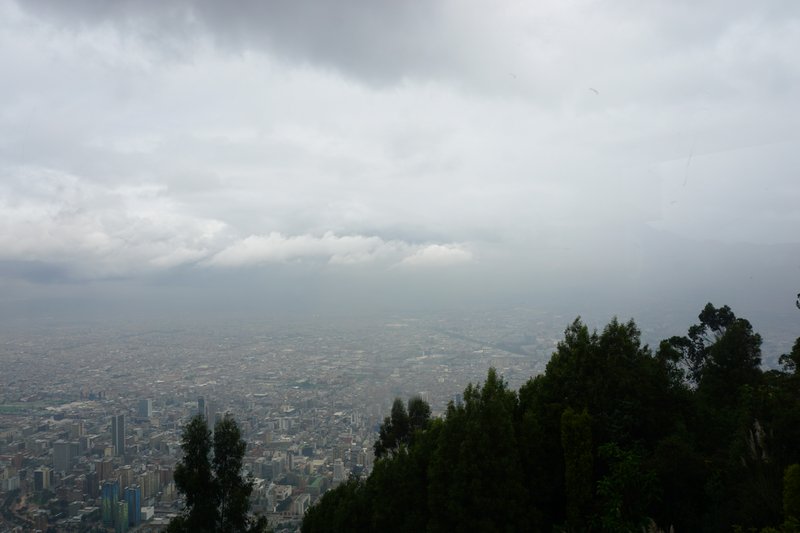
Explore ColombiaAt 2,640 meters above sea level, Colombia's capital sprawls across a high Andean plateau backed by the Cerros Orientales. The historic center of La Candelaria preserves colonial architecture and cobblestone streets, while neighborhoods like Chapinero Alto and Zona G have evolved into districts of contemporary galleries, independent boutiques, and serious restaurants. The city's creative energy is palpable — street art covers entire facades in areas like La Macarena, and the Gold Museum holds one of the world's most significant pre-Columbian collections.
Hotel development here reflects the city's architectural contrasts. Restored Republican-era mansions in the north offer intimate accommodations with interior courtyards, while newer properties in the Parque 93 area favor clean modernist lines. The dining scene has matured considerably, with chefs drawing on Colombia's biodiversity — ingredients from Pacific coast, Amazon, and highland farms appearing on tasting menus that rival any in Latin America. Bogotá rewards those willing to explore beyond the obvious: the Sunday ciclovía that closes major avenues to cars, the farmers' markets in Usaquén, the emerald dealers of the Jiménez district.