A titanium sculptural shell glinting gold above 11,000 acres of vines, Vik Chile commands the Colchagua Valley from its hilltop perch. The 29 suites—each conceived by a different artist—frame either vineyard rows or the snow-capped Andes through floor-to-ceiling glass. A cantilevered granite pool cascades into the landscape, while room rates fold in winery tours, tastings, trail rides, and treatments at the grape-seed wine spa.
South America's sole Ritz-Carlton occupies a prime position in Santiago's El Golf district, its brick-and-glass facade giving way to English-manor interiors of wood paneling, chandeliers, and gilt-framed oils. The fifth-floor spa spans 7,440 square feet with an outdoor terrace overlooking the Andes, while Estró restaurant showcases responsibly sourced Chilean seafood. Marble bathrooms with Asprey amenities and optional bath butler service complete the old-world refinement.
Mandarin Oriental's first South American property occupies a distinctive cylindrical tower where a glass-domed atrium floods the lobby with natural light, illuminating a striking multi-colored glass centerpiece. The grounds feel decidedly resort-like: Santiago's largest swimming pool, a lagoon complete with waterfall and tropical plantings, winds through manicured gardens. Upper floors frame the Andes through floor-to-ceiling windows, while Matsuri delivers refined Nikkei cuisine from Japanese-Peruvian chef Juan Ozaki.
A 1920s neo-gothic landmark in El Centro, Hotel Magnolia pairs cathedral-like stonework with a contemporary glass tower rising above. Inside, Art Deco bones meet industrial-chic loft rooms dressed in warm woods and clean lines. The spa offers urban refuge, while Kitchen & Bar Magnolia draws locals with modern Chilean plates and pisco sours. The rooftop bar rewards with sweeping city views.
Playful turn-of-the-century aesthetics define this 62-room boutique in Santiago's artsy Lastarria quarter, where top-tier service arrives without pretension. The rooftop pool and bar deliver sweeping city panoramas that ignite at sunset, while a stylish spa with jacuzzi offers respite below. The restaurant applies French techniques to Chilean produce—a refined pairing suited to adult travelers seeking urbane sophistication.
Glass façades frame the Teatro Municipal opera house from this 50-room downtown address, where interiors by Chilean artisans honor the master architect who shaped the city's landmarks. The Copper Room serves farm-to-table lunches paired with an all-Chilean wine list, while the rooftop terrace delivers Andean panoramas alongside small plates and espresso. The Penthouse Suite claims the entire top floor.
Bold design by Tony Chi and Sergio Echeverria gives W Santiago its striking character—mirrored walls, copper panels, and velvet tones catch the shifting Andean light throughout the 196-room property. The rooftop pool frames panoramic views of snow-capped peaks, while Karai, the hotel's acclaimed Nikkei restaurant, pulls a stylish Santiago crowd. Pet-friendly and unapologetically vivid, it suits travelers seeking personality over convention in Las Condes.
A striking vermillion landmark from 1923, this former private mansion turned artist's residence now operates as a 19-room boutique hotel in Bellavista, one block from Pablo Neruda's La Chascona. The 2013 restoration retained original fireplaces, period light fixtures, and vaulted ceilings while adding contemporary comforts. Guests linger on the terrace with local Carménère, watching the plaza below, steps from the Cerro San Cristóbal funicular.
A 1927 mansion in bohemian Lastarria preserves its grand marble staircases, original parquet, and chandeliers while adding bold contemporary art and sleek furnishings. The fourteen rooms surround a stone staircase that descends into a verdant courtyard garden with a small pool—candlelit at night, it becomes Santiago's most atmospheric spot for Chilean shrimp sautéed in garlic and local Sauvignon Blanc at the Deli Lounge.
Perched on the steep slopes of Cerro Alegre, this intimate boutique property overlooks Valparaiso's working port from a quiet hillside street. The adults-only policy—guests must be sixteen or older—ensures a refined atmosphere suited to romantic escapes and milestone celebrations. Its position makes an ideal launchpad for immersion in the city's vibrant street art scene and emerging gastronomy.
Frequently Asked Questions
Which Santiago neighborhoods offer the best hotel locations?
+
Lastarria and Bellas Artes suit travelers seeking walkable streets, galleries, and independent restaurants. Providencia provides a quieter residential atmosphere with excellent metro connections. Las Condes appeals to those wanting proximity to the financial district and Andean foothills, though distances require more taxi use.
When is the best time to visit Santiago for clear mountain views?
+
April through September brings cooler temperatures and rain that clears the air, revealing the Andes in sharp relief. Summer months (December-February) often trap smog in the valley basin, obscuring the cordillera despite warmer weather. Early autumn offers an ideal balance of visibility and pleasant temperatures.
How accessible are Chilean wine regions from Santiago hotels?
+
The Maipo Valley begins approximately thirty minutes from central Santiago, making half-day tastings entirely feasible. Casablanca and the coastal vineyards require ninety minutes westward. Several properties in these valleys offer overnight stays, combining wine immersion with a break from urban pace.
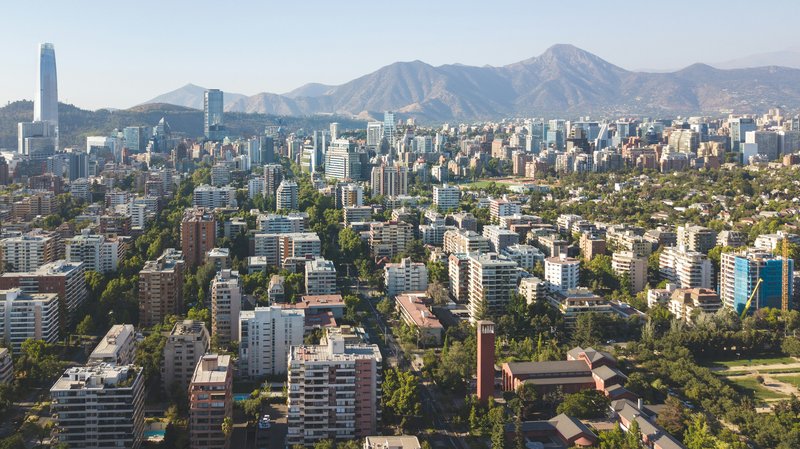
Santiago sprawls beneath the Andes in a high valley where smog and sunlight compete for dominance. The city's hotel scene concentrates in three distinct zones: Providencia offers tree-lined streets and a residential calm favored by business travelers; Las Condes pushes toward the mountains with glass towers and international brands; while Lastarria and Bellas Artes deliver the creative pulse — converted mansions, independent boutiques, and terraces overlooking the Parque Forestal. The Mapocho River threads through it all, more symbolic than scenic, a reminder of the irrigation channels that built this city.
Chilean hospitality carries a particular reserve, formal but warm once thresholds are crossed. Many properties here embrace local materials — native woods, volcanic stone, textiles from the south — without descending into theme-park folklore. The Cajón del Maipo lies an hour east, where mountain lodges offer access to hot springs and hiking. Wine country begins thirty minutes west in the Maipo Valley, where several estates operate guest houses among the vines. The city itself rewards slow exploration: empanadas from La Fuente, pisco sours at sunset, the controlled chaos of Mercado Central at noon.