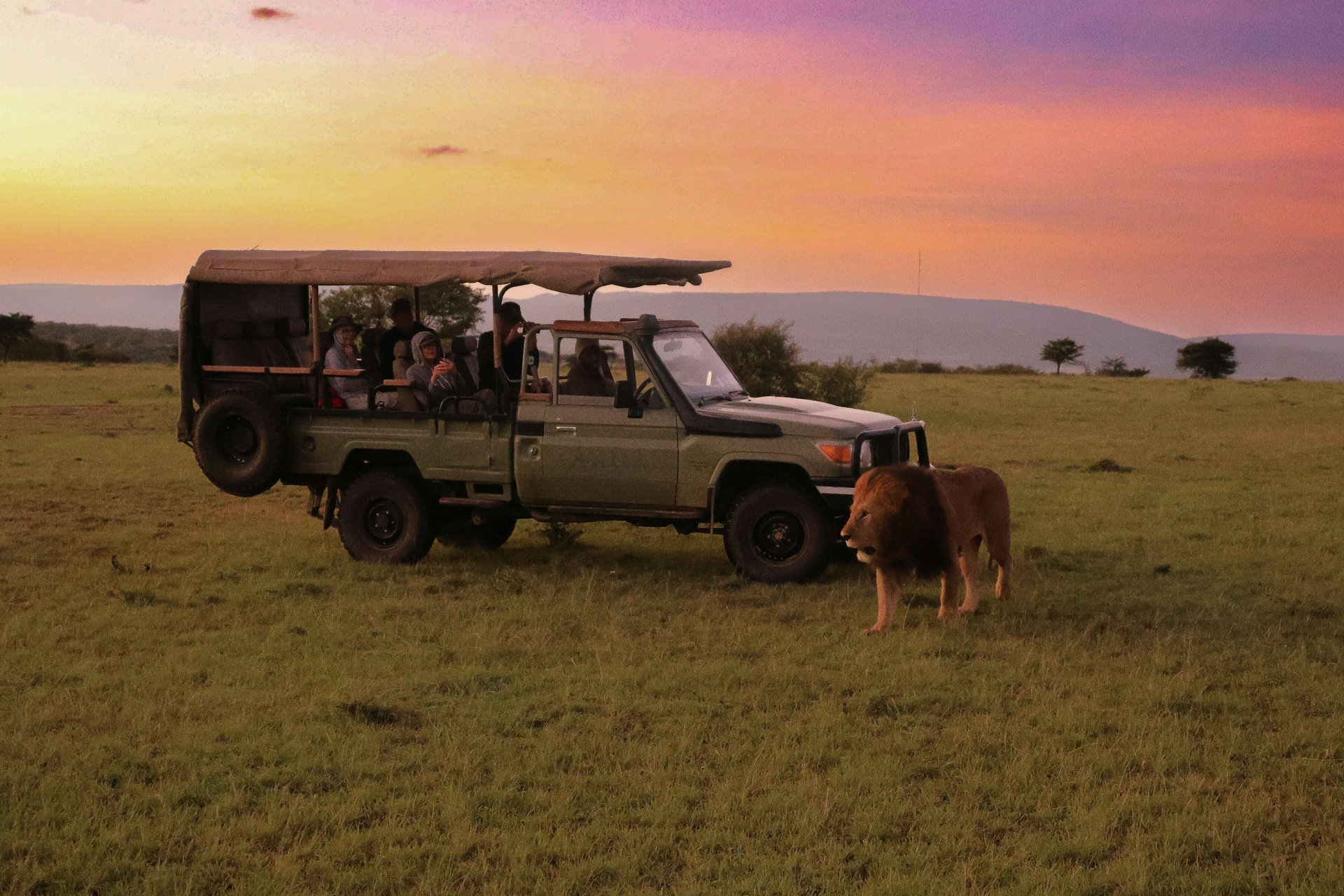
Seventy-seven rooms and villas spread across the Serengeti plains, each designed to frame the wildlife beyond. The lodge delivers Big Five access alongside two African-inspired restaurants and a Cultural Discovery Centre that grounds the experience in local tradition. After morning game drives, the infinity pool and spa offer recovery, while Maji Bar & Terrace becomes the evening ritual—sunset cocktails as elephants cross the horizon.
Crowning the Nyamuma hills, Meliá Serengeti Lodge commands sweeping views across the Mbalageti River Valley from its contemporary perch. The architecture strikes a balance—modern and stylish yet grounded in the surrounding savanna. Two-bedroom suites and an on-site kids' club make it a rare five-star option suited to families, while competitive pricing relative to neighboring lodges appeals to safari travelers seeking polish without premium markups.
The sole exclusive-use property in the Serengeti purpose-built for families with young children, Mkombe's House Lamai occupies a prime position in the northern reaches near the Mara River — front-row seating for the wildebeest crossing. The design prioritizes both safety and privacy, allowing parents to share Africa's greatest wildlife spectacle with small travelers without compromise.
Authentic 1920s campaign furniture, cut-glass decanters, and crystal chandeliers fill the canvas pavilions of this supremely romantic Serengeti retreat. Four-poster beds draped in fine linens sit atop Persian rugs, while fresh roses appear daily—details that earned perfect marks for both style and accommodations. The remote northern location delivers exceptional wildlife viewing, though the experience skews decidedly toward couples seeking refined safari romance.
Perched on a hilltop surveying 350,000 acres of private Grumeti reserve, Singita Sasakwa delivers safari glamour with full five-star infrastructure. The Big Five roam the plains below, encountered by open vehicle or on foot. With just ten rooms—including family suites featuring up to four bedrooms and private pools—the property maintains genuine intimacy while offering amenities rarely found in the bush.
Nine canvas tents fitted with verandas, ensuite bathrooms, and lounges anchor this intimate Serengeti camp, where African fabrics and leather-and-brass detailing establish an unmistakably classic safari aesthetic. Daily game drives depart into the surrounding plains, while evenings unfold around the communal campfire or on private verandas with attentive service. A family-friendly operation that balances wilderness immersion with genuine comfort.
Six bedrooms with private balconies frame Mount Kilimanjaro and Mount Meru across Tanzania's northern plains. Guests board vintage Land Rovers for traditional safaris tracking elephant, lion, leopard, and zebra through the bush, or join Bedouin-style expeditions that follow migrating herds. Between game drives, the fairways of Kiligolf offer an unusual hazard: impala and gazelle grazing alongside players.
Frequently Asked Questions
When is the best time to visit the Northern Safari Circuit for the wildebeest migration?
+
The migration moves through the Serengeti year-round in a clockwise pattern. Calving season in the southern plains runs from January to March. The dramatic Mara River crossings in the northern Serengeti typically occur between July and October, though exact timing varies with rainfall patterns each year.
How do lodges and tented camps differ in the Northern Safari Circuit?
+
Permanent lodges offer solid structures, often with swimming pools and full amenities, positioned at strategic viewpoints like the Ngorongoro Crater rim. Tented camps range from semi-permanent canvas structures with en-suite bathrooms to mobile operations that relocate seasonally to follow wildlife movements, offering a closer connection to the bush.
Can the Serengeti and Ngorongoro Crater be visited on the same trip?
+
Yes, the two are commonly combined. Ngorongoro lies at the circuit's eastern edge, roughly three hours by road from central Serengeti. Most itineraries include both, often adding Tarangire or Lake Manyara for variety. Light aircraft connections between airstrips reduce travel time significantly for those preferring to fly.
The Northern Safari Circuit traces an arc through Tanzania's most celebrated wilderness areas — from the Serengeti's endless plains to the Ngorongoro Crater's collapsed volcanic caldera, from Lake Manyara's tree-climbing lions to Tarangire's elephant herds gathering along the river. This is East Africa's most concentrated safari territory, where the annual wildebeest migration draws over a million animals across the Serengeti ecosystem, and where Maasai communities have coexisted with wildlife for centuries. The lodges and camps scattered across this landscape range from colonial-era properties on crater rims to mobile tented operations that follow the herds.
Accommodation in the circuit divides roughly by terrain. The Serengeti's central Seronera valley offers year-round game viewing; the western corridor and northern reaches provide front-row seats to river crossings during migration months. Ngorongoro's crater rim properties look down into a natural amphitheater where black rhino still roam. Tarangire and Lake Manyara serve as quieter counterpoints, less trafficked and often combined as gateway stops. Whether staying in a permanent stone lodge with sunset terraces or a canvas tent with nothing but acacia thorns between you and the night sounds, the experience centers on twice-daily game drives and the particular rhythm of African bush life.