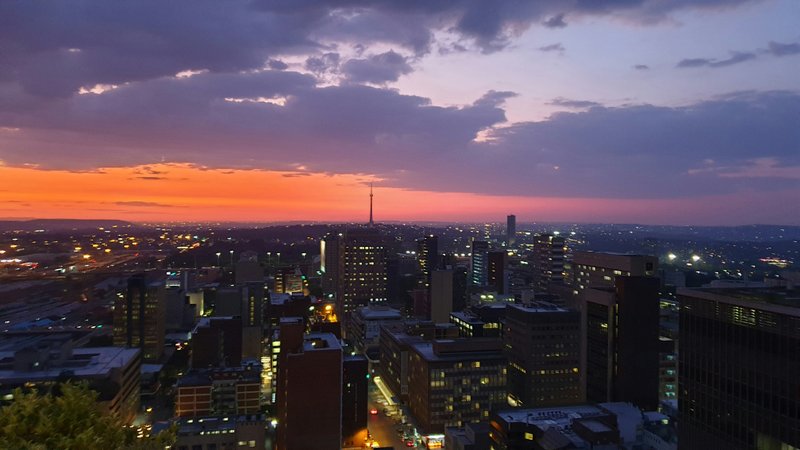
Sun-drenched villas cascade along a ridge above Johannesburg's vast urban forest, connected by golf carts through jasmine-scented grounds. Glass elevators ascend to View restaurant, where 240-degree panoramas accompany dinner, while Aprés-Spa—the city's only outdoor spa lounge—offers treatments infused with rooibos and baobab. The year-round Art on the Hill program adds cultural depth for travelers seeking substance beyond the spectacular setting.
Nelson Mandela retreated to this Sandhurst estate to write his autobiography, and the suite bearing his name retains a private reception hall and steam bath within its colonnaded quarters. Billionaire Douw Steyn's African art collection—tribal masks, Benin bronzes, Ghanaian fertility dolls—fills the interiors, while two underground cellars host sommelier-led tastings. Luke Dale Roberts's restaurant and a hammam-equipped spa complete the ten-acre compound.
A 1930s Rosebank residence reborn as a 31-room retreat, Park Hyatt Johannesburg pairs period architecture—high ceilings, deep marble soaking tubs—with contemporary South African craft. Room 32 restaurant draws flavor from open flames and an ambitious local wine program, while the spa mines indigenous botanicals for its treatments. Beyond the heated courtyard pool, tree-lined streets make this a rare walkable base in the city.
A modern tower rising above Rosebank's fashionable streets, Hyde Johannesburg showcases an impressive art collection throughout its 131 rooms and public spaces. The buzzy Proud Mary restaurant draws a local crowd for all-day dining and prime people-watching, while the surrounding neighborhood delivers excellent shopping and dining within steps. Business and leisure travelers find equal appeal in this design-forward address.
Two acres of manicured gardens surround this 32-room boutique property in Melrose, lending it the unhurried atmosphere of a country estate despite its prime Johannesburg address. Interiors layer heritage furnishings with contemporary South African craftwork in vivid, textured combinations. The Peech Bistro pairs seasonal local ingredients with regional wines, while a family pool and two-bedroom villa make it equally suited to couples and traveling families.
A boutique property in a tranquil Johannesburg neighborhood, AtholPlace pairs an intimate hotel with an adjacent villa dressed in contemporary African furnishings. The villa accommodates six adults and two children, while interconnecting rooms and fold-away beds suit traveling families. Service earns particular distinction here, and the gourmet restaurant—bright with conservatory windows—pours an impressive selection of South African wines.
A white baby grand piano anchors the lobby of this 75-room Rosebank address, setting a tone of understated polish. Guest rooms follow a sophisticated charcoal, teal, and chocolate brown palette, but the fourth floor steals focus: a long, narrow pool glows after dark beside a grassy terrace, champagne bar, and Level Four restaurant—ideal territory for sundowner cocktails above the city.
Ten suites, ten designers, ten distinct aesthetics—from African tribal motifs to haute couture minimalism—define this Dunkeld West address. Each suite comes equipped with a private fireplace, steam bath, and outdoor terrace. The on-site Winehouse restaurant pairs French-inflected dishes made from the hotel's organic gardens with an extensive South African wine list, served poolside or by the fire.
Frequently Asked Questions
Which neighborhoods offer the best accommodation in Johannesburg?
+
Sandton serves as the primary hub for international-standard hotels, with Rosebank offering a slightly more accessible alternative. For travelers seeking character, Maboneng's converted industrial buildings and Braamfontein's proximity to cultural institutions provide distinctive options within the inner city.
Is Johannesburg safe for visitors staying in upscale areas?
+
The northern suburbs operate with robust private security, and most high-end properties provide airport transfers and guidance on navigation. Standard urban precautions apply — avoiding walking alone at night, using recommended transport services, and staying aware of surroundings. Organized tours remain the safest way to explore townships and historical sites.
How does Johannesburg connect to safari destinations?
+
OR Tambo International Airport functions as the regional gateway, with daily flights to Kruger National Park lodges taking under an hour. Several properties in the Waterberg region lie within three hours by road, making short safari additions straightforward to arrange before or after a city stay.
South Africa's economic engine has quietly transformed into a destination worth knowing. The northern suburbs of Sandton and Rosebank anchor the upscale accommodation scene, their glass towers and manicured streets a stark counterpoint to the creative energy radiating from Maboneng and Braamfontein to the south. Art galleries occupy converted warehouses. Rooftop bars overlook a skyline that shifts character block by block.
The dining scene pulls from the country's remarkable diversity — Cape Malay spices, Mozambican peri-peri, wood-fired braai traditions, and a new generation of chefs reworking indigenous ingredients. Constitution Hill, the Apartheid Museum, and the streets of Soweto provide essential historical context, while the Cradle of Humankind sits less than an hour's drive northwest. This is a city that rewards those who look beyond first impressions.