Canvas walls open onto the Talek River at this twenty-suite safari camp within the Masai Mara National Reserve, where the tent concept stretches into genuine luxury. Each suite features indoor-outdoor showers and a private deck with jacuzzi overlooking the water. The open-air restaurant and lounge anchor social life between game drives, while a full spa with Turkish bath and sauna eases safari fatigue.
Where to Stay
Warthogs trot past canvas tents while monkeys chatter in the acacia canopy — &Beyond Bateleur Camp embraces the wild theater of the Maasai Mara with knowing elegance. The eye-shaped pool anchors a modern aesthetic, and an extensive gin bar rewards dusty sundowners after mornings spent at the Mara River crossings. Families claim interconnected suites while children join the WILDChild programme for Maasai village visits and baking sessions with the camp chef.
Perched on the rim of the Great Rift Valley, Angama Mara delivers panoramic views across the Maasai Mara plains from glass-fronted tents that merge safari authenticity with refined comfort. The lodge excels at warm, attentive service and accomplished cuisine served against that dramatic escarpment backdrop. Interconnecting tent configurations accommodate families with children of all ages, making this a compelling choice for multigenerational safari adventures.
Richard Branson's Mahali Mzuri reimagines safari glamping through a contemporary lens, its twelve tented suites departing from traditional canvas aesthetics while maintaining an intimate connection to the Olare Motorogi Conservancy. Binoculars stationed throughout the camp encourage spontaneous wildlife observation between all-inclusive refreshments. Families find particular appeal here: a dedicated two-bedroom tent with shared lounge, children's activity backpacks, and on-call babysitting accommodate multigenerational groups.
Spread across 15,000 acres of private conservancy, Mara Bushtops delivers an immersive safari experience through spacious wooden-decked tents serviced by round-the-clock butlers. The spa draws inspiration from traditional Maasai village design, while the surrounding wilderness teems with wildlife against sweeping savannah views. Two generously sized family suites accommodate up to six guests, making this remote camp ideal for multi-generational African adventures.
Conceived by filmmakers with a cinematic eye for detail, Mara Expedition Camp brings retro safari glamour to a remote stretch of the Maasai Mara. Lavish tents equipped with state-of-the-art amenities open onto plains teeming with wildlife around the clock. The dining rivals the setting in ambition, while a Young Explorer programme—featuring animal tracking and bush craft—gives families with older children genuine wilderness immersion.
Perched dramatically above the Ntiakitiak River, Mara Plains Camp commands sweeping savannah views that few properties in the Masai Mara can rival. A comprehensive 2021 renovation refined every detail, culminating in a new super-suite for those seeking absolute privacy. The camp welcomes families with children six and older, making it ideal for multigenerational safari adventures in one of Kenya's most pristine wildlife corridors.
Serian—Maasai for 'serene'—occupies the private Mara North Conservancy on the reserve's quieter edge, where award-winning guides lead game drives far from crowded circuits. Canvas tents strike an elegant balance between safari romance and comfort, while families gravitate toward the expansive two-bedroom suite with its private deck. Fishing expeditions, fly-camping under open skies, and firemaking lessons give younger guests genuine bush immersion.
What to Do
Beneath the acacia canopy of the Masai Mara's most protected wilderness, The Spa delivers wellness treatments across three distinct camps—Mara Plains, Mara Nyika, and Mara Toto Tree—each designed by National Geographic Society members as intimate tributes to the African landscape. Massages unfold in spacious canvas suites while wildlife roams the surrounding private reserve, and cultural connections with neighboring Masai communities deepen the restorative experience.
Frequently Asked Questions
What is the difference between staying in the Masai Mara National Reserve versus a private conservancy?
+
The national reserve allows more vehicles and operates under Kenya Wildlife Service regulations, which can mean crowded sightings at peak times. Private conservancies like Olare Motorogi and Naboisho limit guest numbers, permit off-road driving and night game drives, and often include walking safaris with Maasai guides — activities prohibited in the reserve itself.
Which Rift Valley lakes are worth visiting alongside a Masai Mara safari?
+
Lake Naivasha offers boat rides among hippos and birdlife, plus access to Hell's Gate National Park for cycling and hiking. Lake Nakuru is famous for rhino conservation and tree-climbing lions. Lake Elementaita, a UNESCO World Heritage site, provides quieter flamingo viewing and excellent boutique lodge options between Nairobi and the Mara.
When is the best time to witness the Great Migration in the Masai Mara?
+
The wildebeest typically arrive in the Mara between July and October, with dramatic Mara River crossings concentrated in August and September. However, timing varies annually based on rainfall patterns. The short dry season in January and February offers excellent predator activity and fewer visitors, though the herds have usually returned to Tanzania by then.
The Masai Mara ecosystem sprawls across southwestern Kenya, its endless grasslands punctuated by acacia woodland and the seasonal paths of wildebeest crossing from the Serengeti. Conservancies bordering the national reserve — Olare Motorogi, Naboisho, Mara North — offer exclusive traversing rights and strict vehicle limits, creating intimate encounters with big cats that public areas cannot match. The landscape shifts dramatically as you travel east toward the Rift Valley, where alkaline lakes stretch beneath dormant volcanoes and flamingo colonies paint the shorelines pink.
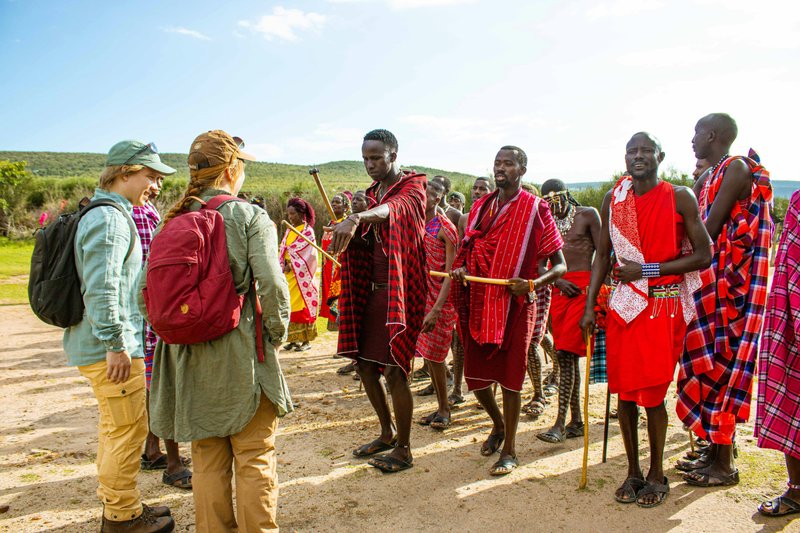
Lake Naivasha's freshwater papyrus beds and hippo populations contrast sharply with Lake Nakuru's soda-crusted shores and Lake Elementaita's hot springs. The region's accommodation philosophy centers on low-impact, high-experience stays: canvas under canvas, outdoor bathing, and sundowners overlooking the savannah. Maasai culture shapes the guest experience profoundly — from guided bush walks led by local warriors to evening visits to traditional manyattas. The dry seasons of July through October and January through February bring the Great Migration's river crossings, though resident wildlife ensures year-round spectacle.