1932, The Renaissance of Khmer Cuisine at the Raffles Grand Hotel d'Angkor


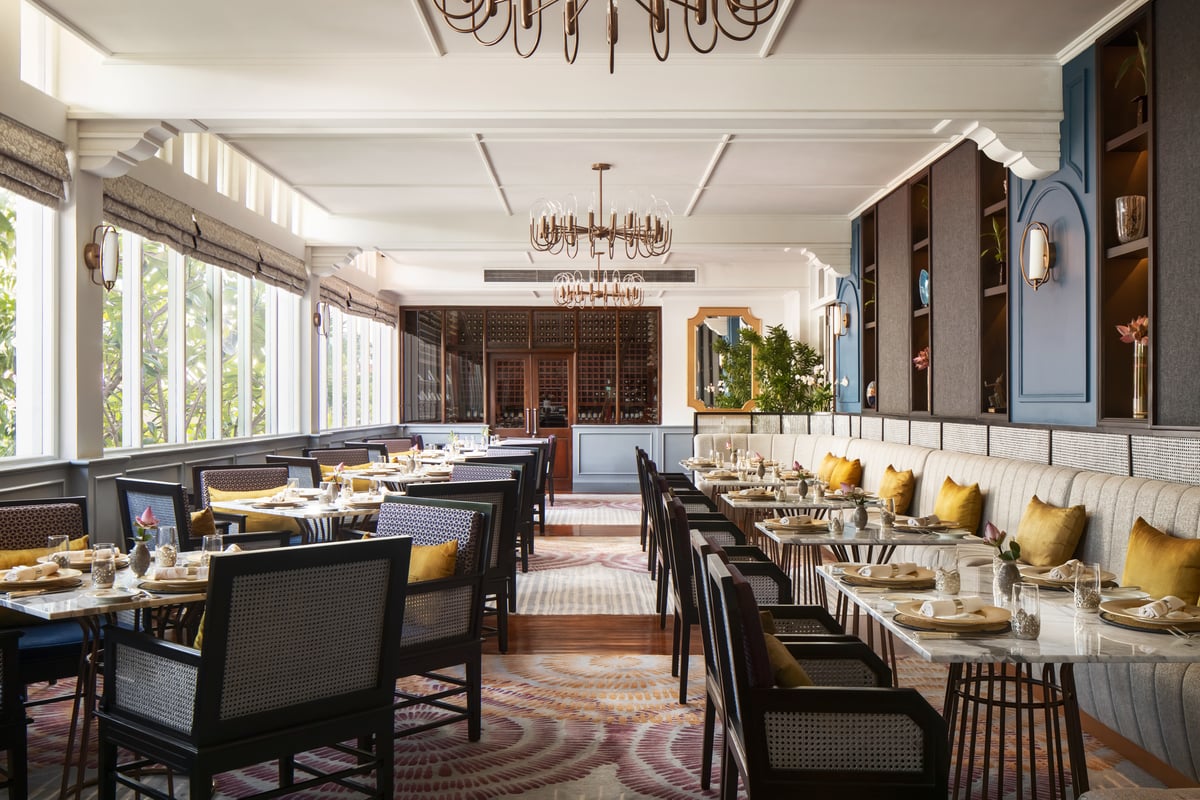
Hidden behind the majestic doors of the Raffles Grand Hotel d'Angkor, Restaurant 1932 reveals itself as a jewel of high Khmer gastronomy. More than just a dining venue, it's a true celebration of Cambodia's culinary heritage, where the colonial elegance of the setting meets the creative boldness of a cuisine in full renaissance. In a hushed and refined atmosphere, each dish pays tribute to the flavors of the past while subtly propelling them into modernity.
The Raffles Grand Hotel d'Angkor, a Timeless Icon
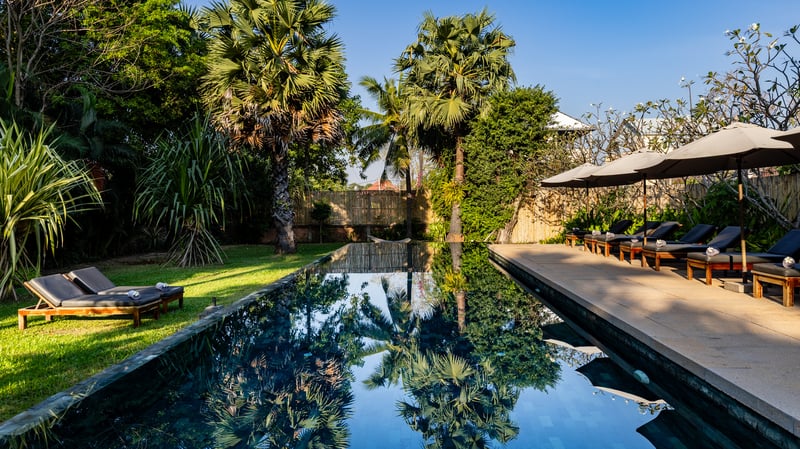
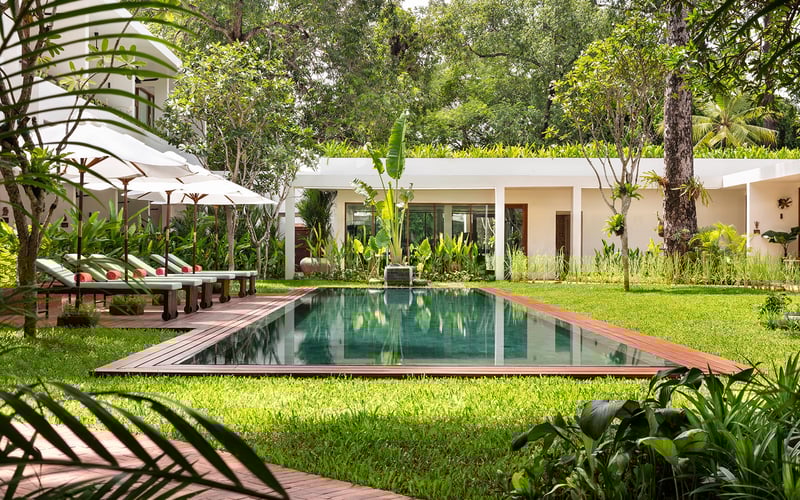
A true icon of Cambodia's hotel heritage, the Raffles Grand Hotel d'Angkor stands majestically in the heart of Siem Reap, just steps away from the temples of Angkor. Behind its immaculate facade inspired by French colonial style, this establishment, inaugurated in 1932, evokes the timeless elegance of grand resorts of the last century. Black and white marble floors, the vintage wooden elevator, and Art Deco touches harmoniously converse with Khmer art, recreating the hushed atmosphere of stays by explorers and dignitaries who came to discover the ancient kingdom. Surrounded by meticulously maintained tropical gardens, the refined rooms and the 35-meter pool lined with frangipani trees uphold this tradition of exceptional hospitality. Restaurant 1932 and the Elephant Bar, both institutions of local life, embody the soul of the place, where every detail seems to echo a refined past.

1932, Elegance in the Service of Khmer Tradition
Named in homage to the opening year of the Raffles Grand Hotel d'Angkor, Restaurant 1932 embodies both bygone refinement and the boldness of a culinary scene in full revival. In an elegant decor enhanced by sparkling chandeliers, retro ceiling fans and candelabras, it offers a magical setting worthy of its mission: to celebrate Cambodia's rich gastronomic heritage while gracefully projecting it into modernity. Driven by a clear ambition — to make Khmer cuisine shine internationally — 1932 offers a true culinary journey where each dish pays homage to tradition while reinterpreting it with finesse. At the crossroads of past and present, this exceptional venue stands out as a must-visit for anyone wishing to understand the depth and subtlety of Cambodian culinary art.

Cambodian History Served in Four Tasting Menus
At Restaurant 1932, cuisine becomes a true journey through time, guided by four themed tasting menus inspired by major eras in Cambodian history. Created by Executive Sous Chef Dorn Doeurt, a native of Siem Reap, these menus pay homage to the Khmer culinary heritage while offering it a contemporary and refined interpretation. Each experience, served in a timelessly elegant setting, retraces a symbolic decade: from the royal dishes of the 1930s under King Sisowath Monivong's reign, to the revisited popular cuisine of the 1950s during independence, through the abundance of the 1960s Golden Age and the gourmet opulence of the 1990s celebrating the Raffles Grand Hotel's revival.

Supported by a sustainable and local approach, these menus showcase exceptional products from the Mekong and Tonlé Sap regions. Aromatic herbs and spices come directly from the hotel's gardens, ensuring freshness and authenticity. Meats, fish, chocolate and condiments are carefully selected to create precise and evocative dishes, revealing the richness of Khmer gastronomy. To accompany this gustatory journey, the restaurant's wine cellar, featuring more than 400 international references, allows perfect pairings between dishes and fine wines, orchestrated by the resident sommelier. An immersive culinary experience, designed to delight the most discerning palates.

Refinement and Tradition: The 1930s Menu
We chose the 1930s menu: “Royal Khmer Cuisine,” paired with a carefully curated wine selection. The experience begins with an amuse-bouche elegantly served on a betel leaf. The Bangkorng Khtih is a precious bite, as beautiful as it is delicate. In the center, a medallion of young lobster bathed in a velvety coconut sauce infused with Khmer spices releases exotic and enveloping aromas. An elegant start that gently heralds the richness of the culinary journey to come.
The following appetizer, Nham suay trey J'aer, immediately captivates with its floral presentation. This finely julienned green mango salad combines crunch and tangy freshness. The Kes fish, smoked and dried, brings a subtle umami depth, while Kampot fish sauce and lime juice balance the whole with complex salinity and sharp acidity. Edible flower petals, a banana leaf, and a few crushed peanuts enhance both the flavor and aesthetic of this delicate and intense dish.

The tasting continues with Nom barh Chok soup, served in a pristine plate with the venue's signature golden patterns. Smooth and velvety, this fish-based soup from Tonlé Sap envelops tender Khmer noodles placed at its center. The velvety broth contrasts with the noodles' lightness in a harmonious blend of mild, salty, and lightly spiced flavors. A classic of Cambodian cuisine, here sublimated with great delicacy.

The main course, Bangkorng Takeo, impresses with both its generosity and its precise presentation. A perfectly grilled freshwater lobster from Takeo sits atop a bed of sautéed water morning glory. Its flesh is coated in a Khmer-style Thermidor sauce, creamy and delicately spiced, which highlights rather than masks the crustacean's subtlety. A touch of oyster sauce mixed with vegetables perfects the dish with a savory depth. This dish, a true favorite, simply enchanted me — an unforgettable gastronomic moment.


Next comes the Char kroeung sach Jiem, where lamb is honored in a contemporary interpretation. The fillet, sautéed then sliced into tender and juicy pieces, is subtly coated in a blend of woody and warm Khmer spices. It rests on a bed of crunchy vegetables, elevated by the distinctive aroma of holy basil. Beside it, an elegant portion of royal rice, wrapped in a vegetable leaf and topped with an omelette rosette, adds a graphic and refined touch.

Finally, the dessert Bang aem phlae thnoat chamroh concludes the meal on a poetic and light note, while honoring palm sugar, a key ingredient in Khmer tradition. An Akor Thnoat, a small steamed cake, rests on a silky trail of sweet purée topped with a hint of coconut cream. To the right, a quenelle of Kareme Thnoat — palm sugar and cinnamon sorbet — delicately refreshes the palate. In the center, a translucent portion of Bobo Thnoat, a porridge blending palm sugar and coconut, melts in the mouth with softness. Served with a selection of fine chocolates and a digestif, this dessert plays skillfully with textures, temperatures, and flavors, while remaining deeply rooted in Cambodia's culinary soul.

Under the Enchanting Charm of the Elephant Bar


The Elephant Bar embodies the colonial soul and timeless elegance of Cambodia. It was in this historic venue — where early travelers once arrived on elephant back — that I enjoyed a Grand d'Angkor Sling, a Khmer reinterpretation of the famous cocktail born in Singapore. Infused with herb gin, Cointreau, pandan and galangal syrup, enhanced with cherry brandy, lime, Kampot salt and a dash of fresh pineapple juice, this blend offers a captivating complexity, both tangy, earthy, and exotic. Meanwhile, my husband was seduced by the Rattanakiri Coffee Bourbon, with deep aromas of dark chocolate and coffee, subtly softened by a generous bourbon. Among Angkor lithographs and the bar's intimate atmosphere, every sip becomes a sensory journey, an ode to Cambodian heritage.
My Opinion
Restaurant 1932 deeply impressed me with its elegant setting and the precision of its cuisine. The 1930s menu, a tribute to royal Khmer gastronomy, offers a contemporary take on traditional recipes with remarkable refinement. Every dish, from the Takeo lobster to the spiced lamb, delivered a true gustatory emotion. At the end of the evening, the Elephant Bar extended this enchanting interlude: its colonial ambiance, inspired cocktails like the Grand d'Angkor Sling, and impeccable service make it a unique place, perfect for concluding such an experience.
Contact Details
1932