In a city defined by excess, The St. Regis Macao plays a subtler hand. Contemporary interiors recall the territory's Portuguese maritime heritage through thoughtful design details, while 400 rooms—considered intimate by local standards—range from generous to genuinely sprawling. The Iridium Spa and outdoor pool offer respite from the gaming floor frenzy, and the Manor restaurant brings Iberian accents to an otherwise New York-inflected dining program.
Where to Stay
The undulating, wave-shaped façade has made MGM Macau an architectural landmark on the peninsula's waterfront. Inside, the Grande Praça—a 1,000-square-metre atrium beneath a soaring glass canopy—anchors a collection of restaurants and bars. The 567 rooms feature glass-walled bathrooms across 35 floors, while families find cultural programming like lion dance workshops alongside the spa, sauna, and outdoor pool set within landscaped gardens.
Occupying a prime position within City of Dreams, the Cotai Strip's sprawling entertainment anchor, this former Hard Rock property has shed its rock memorabilia for a family-oriented identity. The complex delivers shopping, dining, and amusements steps from guest rooms, while Kids City draws younger travelers with its video arcade, craft workshops, and adventure playground—a practical base for families navigating Macau's casino-resort landscape.
Anchoring the Cotai Strip's neon-lit casino boulevard, The Venetian Macao delivers spectacle at every turn—gondolas gliding beneath painted Venetian skies, a labyrinthine shopping mall, multiple restaurants, bars, and theatres contained within one colossal property. Families will find ample diversions, though quiet moments prove elusive amid the deliberate maximalism. The scale impresses, entertains, and occasionally amuses in equal measure.
Rising within the Galaxy Macau complex, Banyan Tree carves out an unexpected sanctuary where every suite comes with a private indoor plunge pool overlooking the glittering peninsula. The interiors pair angular modern furniture with Chinese art and soft hanging lamps, while dedicated Spa Suites bring treatments directly to guests. Penthouse pool villas add private gardens and butler service; Saffron and Belon handle Thai and seafood dining.
A Portuguese-Chinese architectural hybrid anchors this 360-room property on the Cotai Strip, its ornate lobby evoking colonial-era grandeur while maintaining a sense of seclusion between the towering Venetian and Parisian resorts. Five swimming pools, a full-service spa, and three restaurants—including Cantonese and Portuguese kitchens—cater to travelers seeking resort depth without casino-floor chaos.
Twin wave-shaped towers rise above City of Dreams, their dramatic silhouette matched by a lobby where copper sculptures cluster beneath soaring ceilings. The 791 rooms each feature dual his-and-hers bathrooms, while select suites add private saunas and in-room spa facilities. Below, a 130-foot aqua-tiled pool lined with submerged loungers and eight VIP cabanas offers retreat from the casino district's energy.
Epic Tower delivers a refined counterpoint to Studio City's casino spectacle, its apartment-sized suites wrapped in neutral tones with views stretching across Coloane's greenery to the Golden Reel Ferris wheel. The indoor waterpark—seven slides, wave pools, an aquatic roller coaster, Macau's only surf simulator—keeps families occupied, while adults retreat to the Himalayan salt sauna or sprawling outdoor pool with submerged loungers and private cabanas.
Encore Macau, the all-suite tower within the Wynn complex, greets arrivals with a mesmerizing jellyfish tank glowing behind reception and a rock-crystal chandelier overhead. The spa delivers private therapy suites complete with steam rooms, saunas, and hydrotherapy baths, while the Esplanade offers Chanel, Cartier, and Piaget. Twelve restaurants span both towers, ensuring collectors of fine dining and retail indulgence find equal reward.
Steve Wynn's Cotai flagship dazzles with botanical theatrics—tens of thousands of fresh flowers compose elaborate installations refreshed weekly throughout the property. The eight-acre Performance Lake erupts nightly with 5,505 colored light beams, best witnessed from the circling SkyCab gondola. Macau's largest spa spans 48,403 square feet, while dining spans continents: Andre Chiang's Sichuan Moon, Mizumi, and Wing Lei Palace anchor a collection of fourteen restaurants.
Where to Eat
Perched on the 43rd floor of the Grand Lisboa Hotel, this three-Michelin-starred dining room commands sweeping views of the peninsula through its domed ceiling. The kitchen delivers contemporary French cuisine of remarkable intricacy—each plate a study in precision and layered flavors. A wine collection ranked among Asia's finest accompanies the meal, while the legendary dessert trolley provides a theatrical conclusion to an evening of refined indulgence.
Three Michelin stars crown this Cantonese dining room where tradition meets theatrical precision. Meats roast over lychee wood in open kitchens while chef Song Jian Li crafts his celebrated hairy crab dumplings tableside. A collaboration with a traditional Chinese medicine doctor yields restorative double-boiled soups—cordyceps with fish maw among them—served amid jade, crystal, and hand-painted walls depicting classical scenes.
Inside Zaha Hadid's sculptural Morpheus tower, Alain Ducasse's two-Michelin-starred table delivers contemporary French technique through a Chinese lens. Jouin Manku's monochrome interiors glitter with pendulum glass fixtures, while a hidden chef's table—accessed through a secret door behind the 1,100-bottle cellar—offers one-way views into the kitchen. The open Pantry displays Ducasse's personal vintage cookware, a collector's detail befitting this theatrical special-occasion address.
Master chef Tam Kwok Fung, who has cooked for world leaders and royals, structures his tasting menus around the 24 solar terms of the Chinese lunar calendar, refreshing dishes every two weeks. Autumn brings the celebrated ge zha—hairy crab custard encased in shatteringly crisp batter. Beneath a chandelier of 700 Murano glass butterflies, guests explore nearly 50 rare teas, three paired with each degustation.
A flying dragon assembled from 90,000 Swarovski crystals presides over this two-Michelin-starred dining room, its glow amplified by walls painted in Van Gogh's Sunflowers palette. More than thirty chefs execute refined Cantonese cuisine with Japanese and Western inflections—clay pot rice and Dongshan goat appear seasonally alongside impeccable dim sum. The house tea, a proprietary blend of flowers and fruit, pairs well with views across Nam Van Lake.
Chef Umberto Bombana — the celebrated "King of White Truffles" — extends his refined Southern Italian vision to Galaxy Macau through this one-Michelin-starred address. Executive chef Riccardo La Perna orchestrates a single tasting menu rooted in Sicilian tradition, where hand-rolled pastas achieve near-perfection and a hazelnut soufflé with molten centre delivers genuine surprise. A gleaming marble bar and deep wine list complete the polished setting.
Three dedicated counters—tempura, teppanyaki, sushi—anchor this one-Michelin-starred dining room at Wynn Palace, where Japanese master chefs work with ingredients flown in daily from their homeland. A gilded cherry tree sculpture shifts through LED-lit seasons above the koi-adorned main space. The sake program includes bottles exclusive to this address, poured under guidance from an in-house sommelier who can equally recommend whiskey or craft beer pairings.
Master chef Masaaki Miyakawa's first venue outside Japan occupies a ten-seat hinoki cypress counter carved from 300-year-old Nagano timber. The omakase follows 18th-century Edomae traditions—fish carefully marinated to coax umami without modern refrigeration—while signature pieces like Hokkaido Ezo abalone with liver sauce and sea urchin sushi anchor the procession. One Michelin star confirms the precision.
Ten seats surround a 350-year-old hinoki wood counter at this one-Michelin-starred kappo restaurant, where Osakan chef Yoshinori Kinomoto draws on nearly three decades of omakase mastery. Ingredients arrive daily from Japan—Hokkaido bafun uni, tuna belly for hand rolls, Kagoshima A5 Wagyu served as deep-fried tenderloin and sukiyaki. Handcrafted ceramics and antique sake vessels shift with each seasonal course.
Goldfish motifs and the auspicious number eight adorn this two-Michelin-starred dining room inside the Grand Lisboa. The kitchen delivers traditional Cantonese cooking with precision, sourcing Japanese chillies, Argentinian carabineros, and Australian lobster to sharpen familiar preparations. Lunch draws devoted followers for over forty dim sum varieties, including signature rice rolls stuffed with pickled cucumber and char siu Berkshire pork.
Frequently Asked Questions
What neighborhoods on Macau Peninsula offer the most authentic local atmosphere?
+
São Lázaro district preserves a quiet residential character with art galleries in renovated shophouses. Tap Seac concentrates cultural institutions and shaded squares. The Inner Harbour waterfront maintains working fishing activity alongside converted warehouse venues. Três Candeeiros stays resolutely local with traditional eateries largely untouched by tourism.
How does Macau Peninsula differ from Cotai for visitors?
+
The peninsula holds the historic core — the UNESCO World Heritage sites, traditional neighborhoods, and multi-generational family restaurants. Cotai, built on reclaimed land connecting Taipa and Coloane, concentrates large-scale integrated resorts and casino properties. The peninsula offers walkable urban density and genuine street life; Cotai delivers scale and spectacle.
What is distinctive about Macanese cuisine found on the Peninsula?
+
Macanese cooking represents one of the world's earliest fusion cuisines, developed over centuries by the Macanese community blending Portuguese, Cantonese, Southeast Asian, and African influences. Signature dishes include African chicken with piri-piri and peanut, minchi (minced meat with fried potatoes and egg), and bacalhau preparations adapted with local ingredients. Several family-run establishments on the peninsula have maintained these recipes for decades.
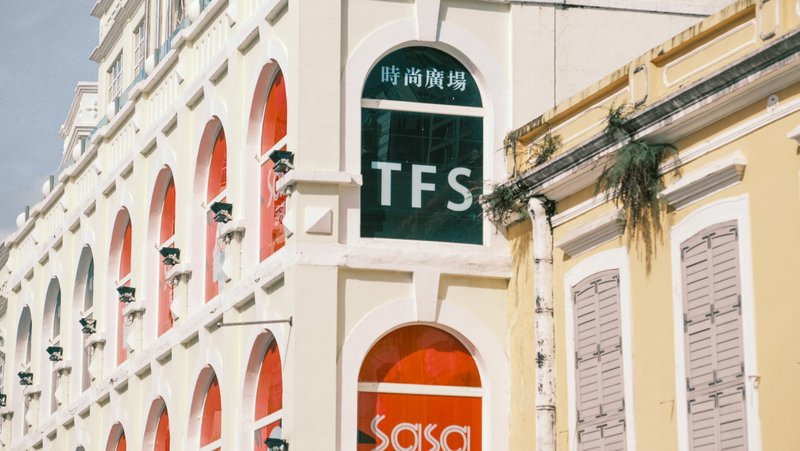
The original settlement where East met West under Portuguese administration for over four centuries, Macau Peninsula retains a layered urban fabric that the newer casino developments across the water cannot replicate. The UNESCO-listed Historic Centre threads through neighborhoods like São Lázaro and Tap Seac, where pastel-hued colonial buildings house contemporary galleries and decades-old family restaurants. Senado Square's mosaic pavements lead to incense-filled temples standing beside baroque churches — A-Ma Temple and the ruins of St. Paul's within walking distance of each other.
The dining scene here runs deeper than the flashy hotel restaurants of Cotai. Rua da Felicidade, once the red-light district, now concentrates some of the territory's most respected Cantonese establishments alongside Macanese eateries serving African chicken and minchi. Inner Harbour's waterfront attracts a younger crowd to converted warehouse bars, while the streets around Três Candeeiros remain staunchly local — egg tart bakeries, congee shops, and cha chaan tengs that have served the same recipes for generations.