Stay At Château De Montcaud: Between History, Elegance And Serenity


Nestled between the wild hills of the Cévennes and the gentle curves of Provence, Château de Montcaud cultivates a distinctive art of living, far from the beaten track and the tourist hustle and bustle. This haven of peace, steeped in history and carefully transformed, embodies a certain idea of luxury: discreet, elegant, sincere. Between preserved heritage, contemporary refinement, and inspired cuisine, it offers its guests a rare interlude where every moment invites contemplation, gentleness, and a return to what matters.
The Authenticity of the South, Away from the Bustle
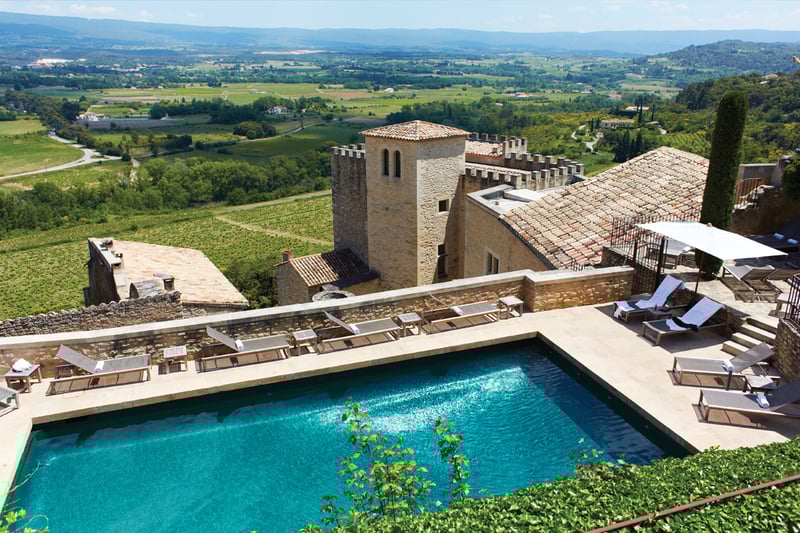
Located in a green setting between the Cévennes and Provence, the Château de Montcaud enjoys a privileged location at the heart of the preserved Cèze Valley, in the small hamlet of Combe, part of the commune of Sabran. Away from the tourist bustle, this peaceful place charms with its authenticity and serene atmosphere. Its location nevertheless allows easy access to the region's treasures: historic cities like Avignon, Uzès or Orange are about thirty minutes away by car, while the Ardèche Gorges offer spectacular nearby landscapes. This perfect balance between seclusion and accessibility makes the hotel an ideal starting point for discovering the wonders of Gard and Provence.
A Château Steeped in History, Gracefully Reinvented
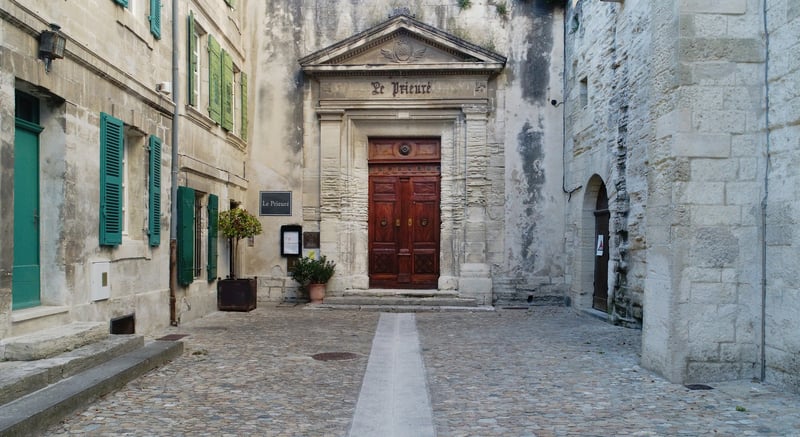
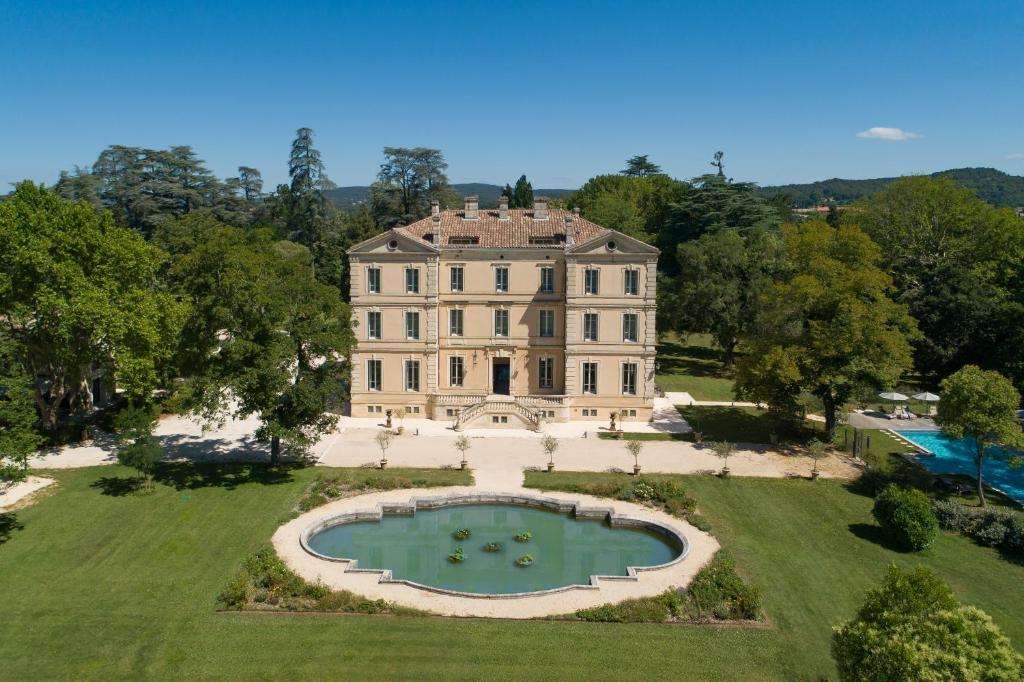
Built in 1848 by Alexandre Eugène Collain, a prosperous silk merchant, Château de Montcaud was designed as an elegant private residence. Nestled in a vast five-hectare wooded park, it reflected from the outset a refined art of living, imbued with lightness and conviviality. Upon the founder's death, the estate passed to his son Florentin, a music and horse enthusiast, who continued his family's humanist tradition. But over the decades, the château changed hands several times and gradually fell into oblivion.

In 2016, the sleeping estate was rediscovered by a Swiss family, led by passionate entrepreneur Jürg Witmer, his daughter Andrea and his son-in-law Rolf Bertschi, a renowned hotelier. Their ambition: to revive the soul of the place while giving it a discreet contemporary elegance. They entrusted the restoration of the château to heritage experts, with constant care to preserve the authenticity of the site. The park, which had become a true jungle, was restored according to the original 1892 plans thanks to the expertise of arborist Marc Brillat-Savarin, bringing back to life an exceptional arboretum of more than 140 rare species, from Japanese sophoras to Syrian junipers.


Inside, each room of the château tells a story. The grand central staircase, hand-painted ceilings, antique furniture and portraits of former owners create a setting of great nobility, enhanced by carefully chosen modern touches. Interior designer Sophie Petit drew inspiration from the Indiennes of Nîmes to design textiles with Asian patterns, paying homage to the silk routes that shaped the estate's history.


The Soul of the Château Also Reveals Itself in Its Rooms
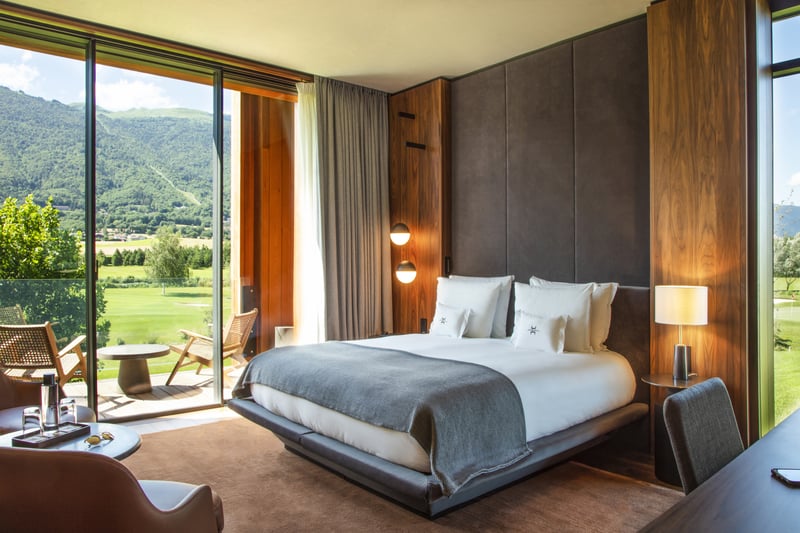
The 29 rooms and suites of Château de Montcaud offer a unique atmosphere, combining historic charm and contemporary design while preserving the original elegance of the place. Designed by Swiss decorator Iria Degen in close collaboration with local architect Sophie Petit, the interiors reflect a sober and luminous aesthetic, enhanced by noble materials and discreet refinement. Waxed parquet floors, high ceilings adorned with rosettes, large windows opening onto the park, and custom-made furniture create a peaceful setting conducive to relaxation.
Throughout the rooms, the château's history subtly unfolds. Silk panels recall the estate's past linked to the textile industry, while lava stone basins and marble trays from Saint-Pons-de-Thomières testify to the attention to detail. Each room offers a unique experience where comfort and aesthetics harmonize beautifully. Most offer unobstructed views of the park, inviting contemplation from sunrise to the last rays of the sun.


The Taste of the South, Between Simplicity and Refinement
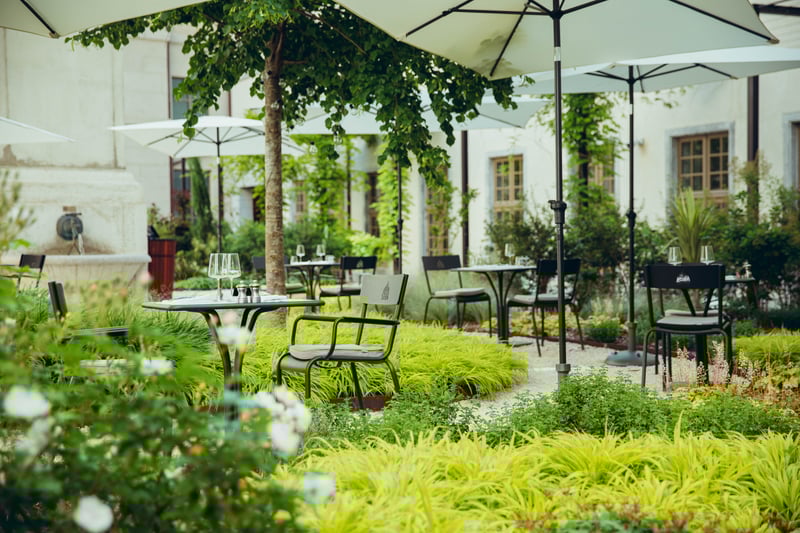
At Château de Montcaud, gastronomy is a true celebration of the French art of living, expressed in two complementary worlds: the friendly and generous Bistro de Montcaud, and the elegant and inventive Michelin-starred restaurant Le Cèdre de Montcaud. Housed in the estate's former stables, these two spaces have been carefully redesigned, blending authenticity and modernity. In summer, meals extend onto a charming terrace shaded by a wisteria, with the songs of birds and the coolness of the park as a backdrop.
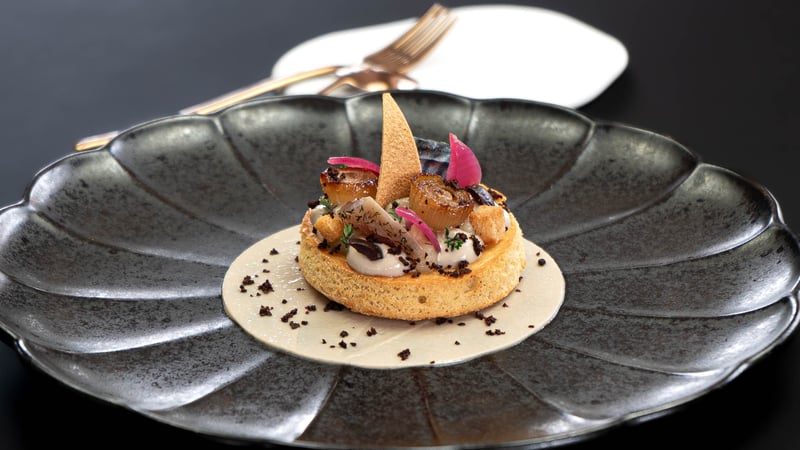
In charge of the kitchens, chef Matthieu Hervé, trained alongside some of the greatest names in French and Swiss gastronomy, brings precise and personal creativity to each of his dishes. Originally from Normandy, he adds a marine touch to his menu while always highlighting the local terroir. His cuisine is based on rigorously selected regional products, from carefully aged meats to seasonal vegetables, fresh fish and garden herbs. Working with textures and flavors with the precision of a craftsman, he offers refined, balanced dishes full of character.
Le Cèdre de Montcaud, the estate's Michelin-starred gastronomic address, revisits the French culinary tradition with boldness and elegance. For a more relaxed experience, the Bistro de Montcaud welcomes both passing guests and local regulars. Here you can enjoy market cuisine, simple yet ambitious, in a warm setting with the feel of a family home. The menu highlights revisited classics and seasonal products. This is also where we enjoyed our hearty and absolutely delicious breakfast with local flavors.

Le Cèdre de Montcaud: A Michelin Star Between Elegance and Terroir
Served in a light-filled room or, in fine weather, in the magical inner courtyard, the multi-course menus of the Michelin-starred Le Cèdre de Montcaud restaurant change with the seasons. Each dish pays tribute to the products of the South, enhanced by an exclusive selection of French wines from small estates with which the team maintains a special relationship. In the dining room, a monumental work by Clara Hardy catches the eye: a long silk panel sprinkled with copper, representing the rings of an Atlas cedar, symbol of the château. This artistic detail alone sums up the spirit of the place: refinement, strong identity, and attention to detail.

Our culinary journey began on the terrace with a trio of amuse-bouches reflecting the philosophy of the place: finesse, creativity, and local roots. The first bite combined the iodized freshness of an oyster with the roundness of buckwheat, lifted by a hint of smoked andouille for a bold balance. The next, an almond cracker topped with Fumades trout and tarama, stood out for its smoothness and vibrancy. Finally, a sheep's cheese and caramelized onion sablé with mustard seeds offered a rustic yet refined contrast. I chose to accompany these first flavors with a glass of champagne, while my husband opted for a strawberry and lavender mocktail, floral and perfectly balanced.

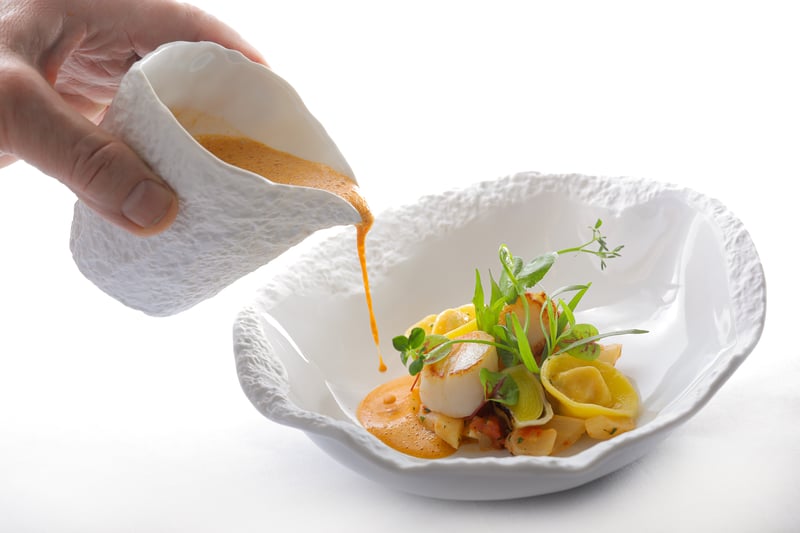
We then continued with a delicate Mediterranean amberjack, served raw, with a melting texture and remarkable freshness. It was subtly enhanced by a light carrot cream and a few citrusy touches, providing a well-controlled aromatic tension. Bright fish roe and a black crispy lace completed this elegant and graphic dish.


In a more indulgent register, the crab, precisely shredded, was presented under a crispy disc topped with green apple slices, crunchy celery, and a generous spoonful of oscietra caviar. At the bottom of the plate, a silky bisque rich in aromas enveloped it all with great depth. A light foam softened the whole, while the selected red wine brought a lovely structure without masking the crustacean's elegance.

The next dish paid homage to the Mediterranean with a perfectly cooked red mullet, its skin seared with precision, resting on two complementary sauces: a green fennel juice, herbal and bright, and a concentrated rockfish soup reminiscent of a revisited bouillabaisse. The meticulously crafted garnishes combined braised fennel, aniseed purée, and a small crispy cylinder for a textured, layered effect.

The meal continued with exceptionally tender Wagyu beef, just seared to preserve all its juiciness. Served on a seaweed sauce, this dish played on the duality of power and freshness. Crunchy green asparagus, fava beans, peas, and caramelized baby onions formed a colorful and vegetal harmony, punctuated by fried onion chips. The velvety tannins of the red wine perfectly extended the richness of the dish while highlighting its freshness.

After a carefully selected cheese platter, the pre-dessert offered a welcome breath of freshness. A quenelle of orange sorbet rested on a limoncello granita, while pieces of yuzu punctuated the whole with lively, tangy notes. This small interlude, as punchy as it was delicate, subtly awakened the taste buds.


The main dessert played on a note of nostalgic sweetness with a revisited rice pudding. Presented as a perfect cylinder topped with an airy cream sprinkled with caramelized nuts, it evoked childhood memories while elevating them. A strawberry sorbet quenelle with a frank flavor and silky texture balanced the roundness of the rice, while a lime jelly and zest provided just the right dose of acidity. A dessert that was both tender, modern, and perfectly mastered. Finally, a few mignardises: a lemon tartlet with bright, tangy aromas presented as a shiny dome on a crispy sablé, and a praline-hazelnut tartlet with a melting heart, wrapped in a dark chocolate shell. Alongside, small honey madeleines, still warm, extended the sweetness of this exceptional meal.


A Hotel Designed for Everyone's Well-Being
Château de Montcaud offers its guests a range of activities perfectly integrated into the peaceful environment of the estate. The large outdoor pool, nestled among the park's centuries-old trees, invites both for a few morning laps and moments of relaxation under the Gard sun. Sports enthusiasts will also enjoy a private tennis court, a pétanque field shaded by plane trees, and a ping-pong table for friendly matches with family or friends.

Designed as a haven for all ages, Château de Montcaud is also a decidedly kid-friendly hotel. Children are warmly welcomed and easily find their place in this caring environment. The family suites and La Maison, a former caretaker's house converted, offer independent spaces perfect for group stays. Between swimming pool dives, outdoor games, and vast areas to explore, the youngest also enjoy an unforgettable experience while parents can relax in complete peace of mind.
My Opinion
Château de Montcaud is one of those places that leaves a mark well beyond the stay. Here, everything seems designed with silent precision, without excess or ostentation, to create an atmosphere that is both intimate and deeply elegant. Far from impersonal hotel standards, I found a living home, nourished by a rich history and enhanced by a contemporary vision respectful of the soul of the place. From the majestic park to the light-filled rooms, not to mention the refined table, each element contributes to an experience that is both sensory and emotional. It is a place where time takes on a different texture, where you find yourself slowing down naturally, anchoring yourself in the moment. A rare address that does not seek to impress but to move, and succeeds with disarming sincerity.
I loved:
- The exceptional setting of the estate: a haven of peace surrounded by nature, far from the bustle, conducive to relaxation.
- The magnificent Junior Suite, tastefully decorated, combining comfort and elegance, with a soothing view of the greenery.
- The possibility of varying pleasures between the starred restaurant, refined and creative, and the bistro, more friendly but equally well cared for.
I disliked:
- Hard to find the slightest flaw…
Practical Information
- Junior Suite at a rate of €600 in May 2025.
Contact Details
Check AvailabilityChâteau de Montcaud