Skip to content

Seoul

Explore Seoul

Hotels (10)
Restaurants (10)
Spa (1)

Where to Stay

1. Four Seasons Hotel Seoul

1 Michelin Key· Forbes Five-Star

This 29-story glass tower in Gwanghwamun reimagines ancient palace architecture through contemporary design, showcasing 130 Korean artists throughout its spaces. Floor-to-ceiling windows frame Gyeongbokgung Palace and modern skyline, while eight restaurants—more than any Seoul hotel—include Michelin-starred Cantonese Yu Yuan and a speakeasy. The ninth-floor Korean sauna offers gender-separated facilities with cold, warm, and hot baths alongside traditional dry and wet rooms. Ivory-toned suites appeal to business travelers and cultural explorers alike.

2. SIGNIEL Seoul

2 Michelin Keys· Forbes Five-Star

Perched between floors 76 and 101 of the Lotte World Tower, SIGNIEL Seoul commands views so elevated that helicopters pass beneath its rooms. The all-suite property pairs floor-to-ceiling windows with marble bathrooms, Diptyque amenities, and butler-activated laundry service. Dining spans French chef Yannick Alléno's STAY and Korean fine-dining restaurant Bicena, while the 85th-floor pool and Bar 81 offer skyline immersion. A Gangnam address for travelers seeking futuristic Seoul with palace-level refinement.

3. The Westin Josun Seoul Hotel

Forbes Five-Star

Korea's first Western-style hotel, founded in 1914 to host Japanese and European royalty, now offers Seoul's largest guest rooms with décor straddling Far East motifs and European refinement. Sushi Cho on the 20th floor pairs seasonal fish with premium sake and panoramic city views, while seven other restaurants span Cantonese, Italian and French kitchens. The City Athletic Club's 82-foot pool, Korean-style saunas and spa treatments appeal to business travelers and dignitaries alike.

4. Josun Palace, a Luxury Collection Hotel, Seoul

1 Michelin Key· Forbes Five-Star

Humbert & Poyet's bold architectural vision fuses midcentury modernism with Korean design heritage across this 254-room Gangnam landmark, built where the 1914 Chosun Hotel once stood. The rooftop heated pool overlooks Seoul's skyline, while five dining venues range from The Great Hong Yuan's Cantonese refinement to Eatanic Garden's contemporary Korean plates. Rooms feature Frette linens, Byredo amenities, and innovative AirDressers—closets that sanitize and steam garments—alongside private cocktail bars and commanding city vistas.

5. The Shilla Seoul

1 Michelin Key· Forbes Five-Star

Named for Korea's tenth-century cultural zenith, The Shilla Seoul occupies wooded slopes on Mount Namsan with traditional design that honors dynastic heritage over generic Asian minimalism. The lobby's Seon Ghi Bahk installation—thousands of translucent fragments suspended like starlight—sets a refined tone continued through five restaurants, including La Yeon's two-Michelin-starred Korean cuisine. Outdoor terraces, pool sunbeds, and panoramas of Jangchung Dan Park suit travelers seeking Seoul's sophistication without the metropolitan chaos.

6. Park Hyatt Seoul

Forbes Five-Star

Super Potato's Japanese minimalism defines this Gangnam tower, from the sky lobby on the 24th floor—arriving guests surface into panoramic urban views—to granite-carved bathrooms glazed floor-to-ceiling above the city. Natural materials, clean lines, and rooms starting at 42 square meters create a discreet residential feel. The Timber House whisky bar and top-floor infinity pool serve business travelers and design-conscious guests seeking Seoul's polished modern aesthetic.

7. Andaz Seoul Gangnam

Contemporary Dutch design intertwines with Korean tradition across 241 rooms and particularly lavish bathrooms. The ground-floor restaurant draws inspiration from nearby Apgujeong's gourmet alley, splitting into three kitchens—one for wine and tea, another for seafood, and Meat & Co for carnivores. Indoor pool, spa, jacuzzi, and sauna round out the wellness offering. Gangnam's luxury retailers, cultural institutions, and nightlife lie steps away.

8. Le Méridien Seoul Myeongdong

A renovated mid-century office tower in Myeongdong's high-fashion district, Le Méridien channels retro glamour through statement furnishings in bold colorways and geometric wall treatments. The heated 15th-floor pool delivers city views above the shopping bustle, while the lobby bar mixes eclectic patterns with inventive cocktails. Design-conscious travelers find a quiet refuge here, wrapped in vintage-modern aesthetics and polished hospitality.

9. RYSE

RYSE operates as hotel, gallery, marketplace, and creative incubator across 272 rooms tailored to different working styles. The Executive Producer Suite delivers panoramic Seoul views and an open layout designed for entertaining, while flexible coworking lounges and a 15th-floor networking space support collaborative work. An on-site bookstore stocks niche magazines, books, and vinyl records, reinforcing the property's commitment to makers and creators seeking both accommodation and community in Hongdae.

10. Sofitel Ambassador Seoul Hotel

Forbes Five-Star

This glass tower on Seokchon Lake channels Parisian elegance through gleaming marble lobbies, art deco furnishings, and molded ceilings adorned with modern crystal chandeliers. The 25-meter indoor pool captivates with its LED-lit ceiling mimicking a starry night, while floor-to-ceiling windows frame lake and skyline panoramas. Sofitel Spa by Beauté BR delivers French skincare rituals using Biologique Recherche and Thermes Marins. Club Millésime on the 32nd floor offers complimentary breakfast and evening apéritifs with sweeping city views.

Where to Eat

Verified

1. Allen

★★ Michelin · Verified

Chef Seo Hyun-min builds each season's menu around Korean ingredients with precise French technique, showcased through a glass-walled kitchen where the brigade's choreography becomes part of the experience. Makgeolli-leavened sourdough—crisp-crusted, elastic, nutty—sets the tone for a tasting menu mapped by provenance, each course tied to its terroir. The two-star dining room balances formality with ease, service calibrated to let the cooking speak.

Verified
Michelin Selected · Verified

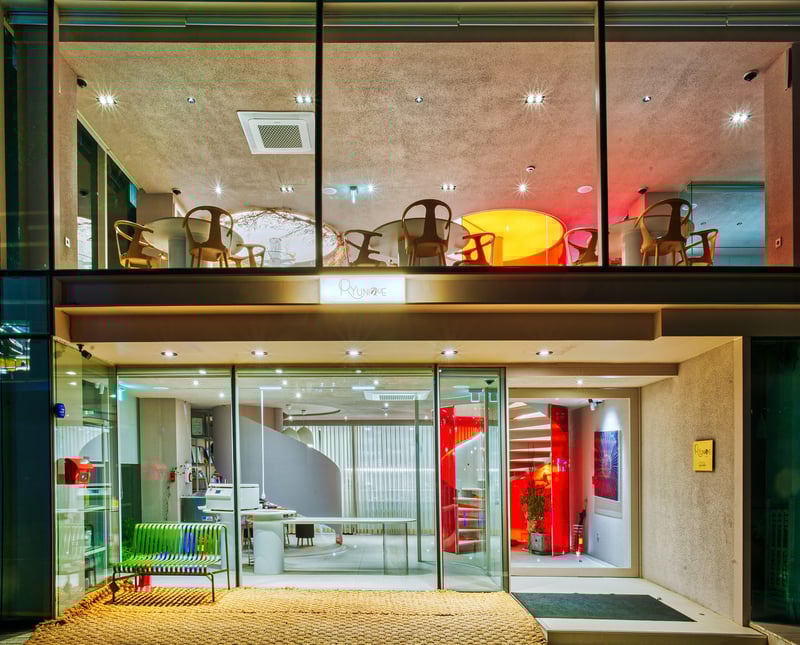
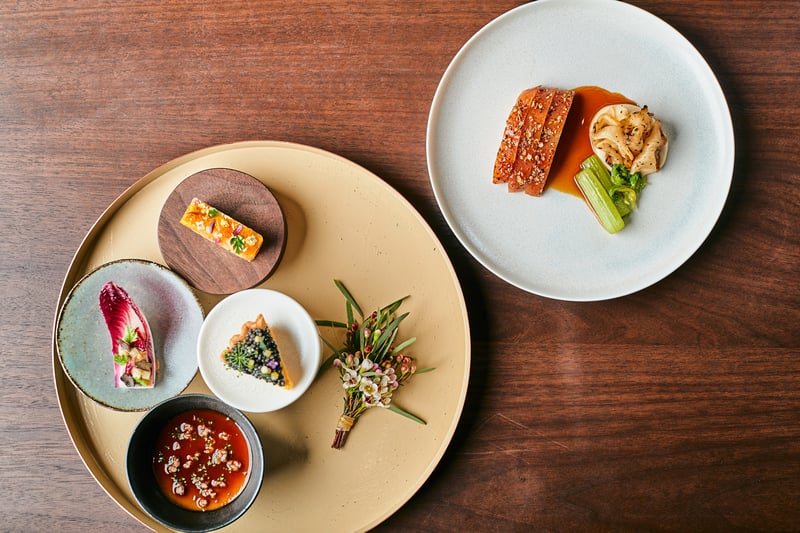
Chef Ryu Tae-hwan has shaped this Gangnam dining room into an editorially distinct platform for seasonal Korean ingredients, reinterpreted through personal research and creative technique. The menu shifts with each solar term, reflecting the chef's talent for translating unbounded gastronomic ideas into coherent, flavor-driven plates. The two-story space combines a ground-floor research center with a second-floor dining area, reinforcing the experimental, constantly evolving character of the cooking. Innovative cuisine priced at the upper end.

Verified

3. YUN

★ Michelin · Verified

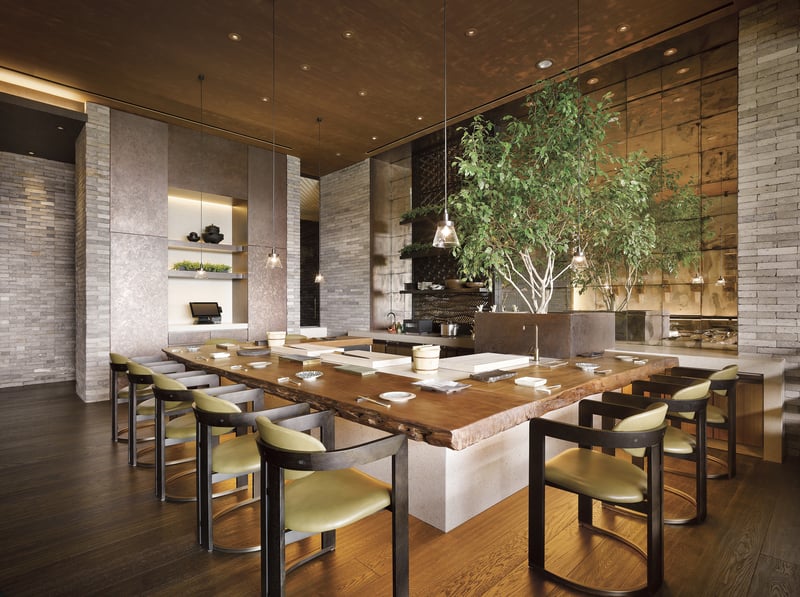
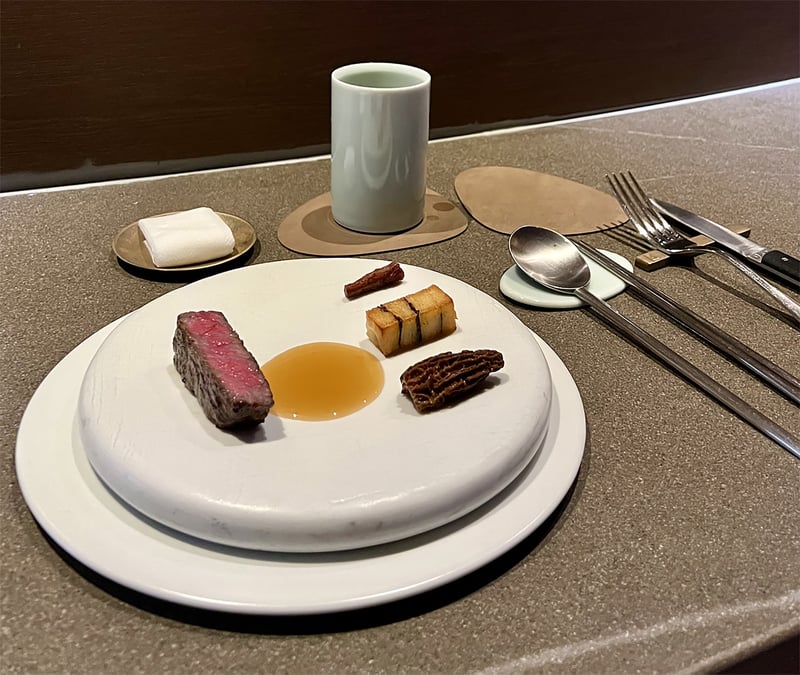
Chef-Owner Kim Do-yun channels his fascination with noodles into a one-Michelin-starred multi-course menu that showcases aging, fermenting, and drying techniques applied to fish and meats. Counter seating grants diners an intimate view of each dish's preparation, accompanied by detailed explanations of the processes that build layered flavors and contrasting textures. This is cooking driven by relentless curiosity and technical refinement, suited to those who value precision and narrative over spectacle.

Verified
Verified

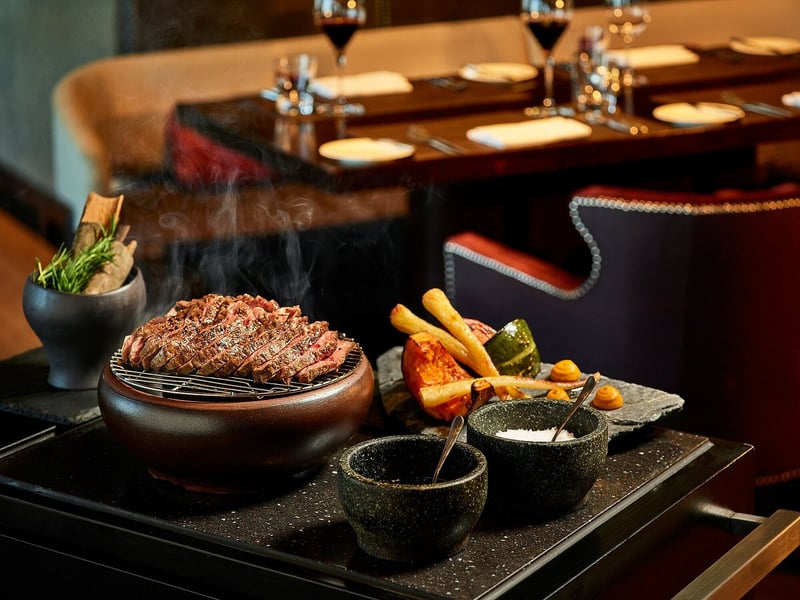
From the 37th floor of Conrad Seoul, floor-to-ceiling windows frame the Han River and city skyline while expert grill chefs work prime cuts from four continents—Korean, Spanish, Australian, and American beef—over open flames. A Wine Spectator Award of Excellence holder since 2013, the restaurant pairs its meat-focused menu with sommelier-guided selections. The Chef's Table offers front-row seats to the kitchen's theater.

Verified
Verified

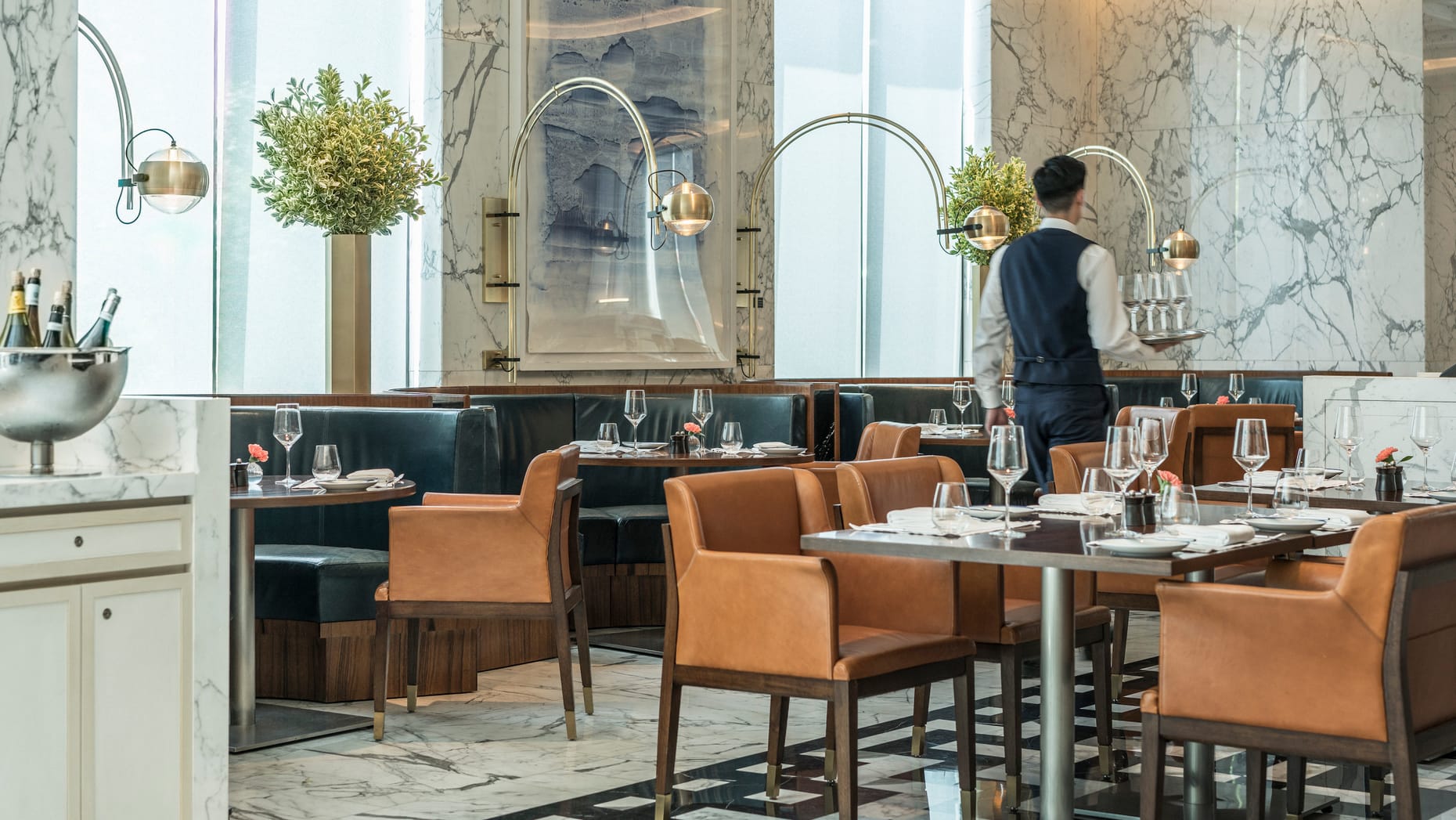
Sicilian chef Ivan Spadaro runs the kitchen at this Four Seasons Italian restaurant, weaving Korean ingredients into southern Italian classics—think spaghettoni vongole brightened with sea urchin, or his grandmother's Polpo alla Luciana. AvroKo's striking design pairs Italian marble and Venetian plaster with brass screens bearing Korean motifs, while a copper pizza oven turns out signature pistachio pies beneath a spectacular blown-glass chandelier.

Verified

6. Kauri

Verified

A spectacular counter carved from ancient New Zealand kauri wood sets the stage at this Grand Hyatt Seoul sushi destination, where guests watch masters craft an exclusive Omakase progression. The seven-course sushi sequence moves from grilled hotate on crisp nori through silken otoro to caramelized unagi, while rare preparations like steamed abalone with innard sauce reveal exceptional technique and impeccable sourcing.

7. Mingles

★★★ Michelin

Chef Mingoo Kang's three-Michelin-starred kitchen reinterprets Korean fermentation and long-simmering techniques through a contemporary French lens. The signature Mingling Pot concentrates umami from dried seafood, vegetables, and fruit into a layered broth, while the Jang Trio dessert transforms doenjang, ganjang, and gochujang into refined confections. Abalone baechu-seon and fish mandu further demonstrate the menu's deft balance of ancestral craft and modern refinement, served in a minimalist dining room overlooking greenery.

8. Evett

★★ Michelin

Chef Joseph Lidgerwood's two-Michelin-starred table marries foraging with fermentation mastery: he handcrafts traditional meju blocks and brews his own sauces, yielding dishes like the signature Meju Donut—deep-fried glutinous rice dough filled with cream, anchovy dalgona, and black garlic. House-made pine needle oil and floral-infused medicinal liquor punctuate a menu that reimagines Korean culinary heritage through a global lens, amplified by a considered wine programme.

9. Jungsik

★★ Michelin

Chef Yim Jung-sik's two-Michelin-starred table has earned global recognition for reimagining Korean culinary tradition through a contemporary lens. His seasonal set menus transform familiar staples—gimbap, bibimbap—into refined compositions built around premium ingredients like abalone and duck, each meal opening with meticulously prepared banchan. An extensive wine cellar supports the cuisine with thoughtfully curated pairings, framing an evening that balances innovation with deep respect for Korea's gastronomic heritage.

10. Kwonsooksoo

★★ Michelin

Kwonsooksoo holds two Michelin stars for its French Contemporary approach to seasonal Korean ingredients, served in a minimalist dining room flooded with natural light. The chef, backed by two decades of experience, opens each meal with finely crafted small bites paired with traditional Korean spirits, then presents the main course in refined doksang style—a low-table format that balances formality with intimacy. A dessert trolley concludes the progression, reinforcing the restaurant's reputation for quietly compelling technique.

What to Do

1. The Spa at Four Seasons Hotel Seoul

Forbes Five-Star

Drawing from Korea's jimjilbang tradition, this three-story wellness sanctuary within the Four Seasons layers warm, hot, and cold therapeutic baths alongside steam chambers and dedicated sleep quarters. The facility recreates the neighbourhood bathhouse ritual where locals have long dissolved stress through alternating temperatures and restorative napping, now rendered in polished luxury with adjacent fitness areas and a swimming pool.

Frequently Asked Questions

Which Seoul neighborhoods offer the best hotel locations?

+

Jongno and Jung-gu place you near palaces, traditional markets, and cultural sites. Gangnam suits business travelers and those wanting proximity to COEX and high-end shopping. Seongsu-dong and Hannam-dong attract design-conscious visitors with their converted industrial spaces and gallery districts. Bukchon offers hanok stays within walking distance of Insadong's antique shops.

What is the best time of year to visit Seoul?

+

Spring (April–May) brings cherry blossoms along Yeouido and comfortable temperatures. Autumn (September–November) offers clear skies and foliage across Namsan and Bukhansan. Summer brings monsoon rains and humidity; winter sees temperatures drop below freezing but fewer crowds and lower hotel rates.

How does Seoul's dining scene compare to other Asian capitals?

+

Seoul has earned significant Michelin recognition, with multiple three-star establishments and a growing roster of innovative Korean fine dining concepts. The city excels at both traditional cuisine — royal court dishes, temple food, regional barbecue — and avant-garde interpretations. Street food remains integral, from Gwangjang Market's bindaetteok to late-night tteokbokki stalls.