


Luxury Travel in Istanbul: Ideas Experiences Stay and Holiday
Address Istanbul: A New Definition of Urban Luxury on the Anatolian Shore



About This Destination
Istanbul, a vibrant city that straddles Europe and Asia, offers travelers a unique blend of history and modernity. Popular locations such as the Hagia Sophia and the Blue Mosque provide a glimpse into the city's rich past, while the bustling Grand Bazaar and Spice Bazaar offer a taste of local culture and commerce.
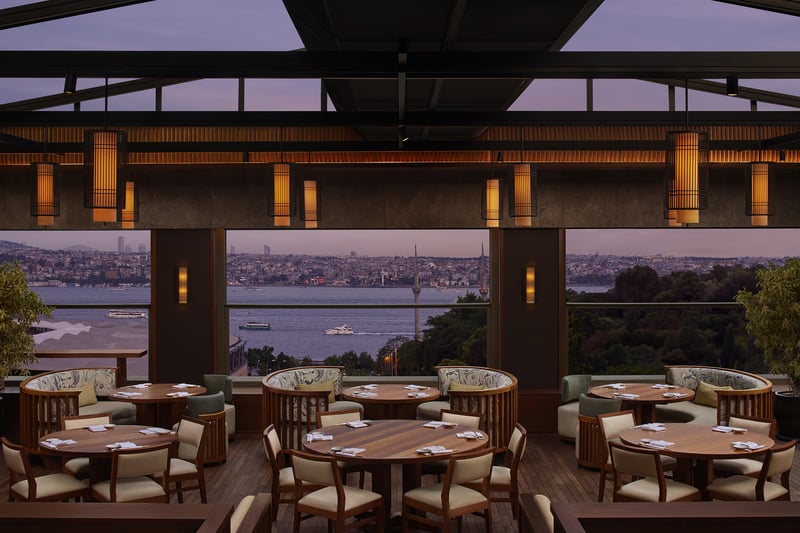
For those visiting Istanbul, the historic district of Sultanahmet is a must-see, with landmarks like Topkapi Palace and the Basilica Cistern. A trip to the Bosphorus Strait is also essential, providing stunning views and the opportunity to explore both the European and Asian sides of the city. Other notable attractions include the Galata Tower, which offers panoramic views of Istanbul, and the modern Istiklal Street, filled with shops and cafes. Don't miss a boat tour on the Golden Horn or a visit to the lively Taksim Square to experience the city's vibrant nightlife.